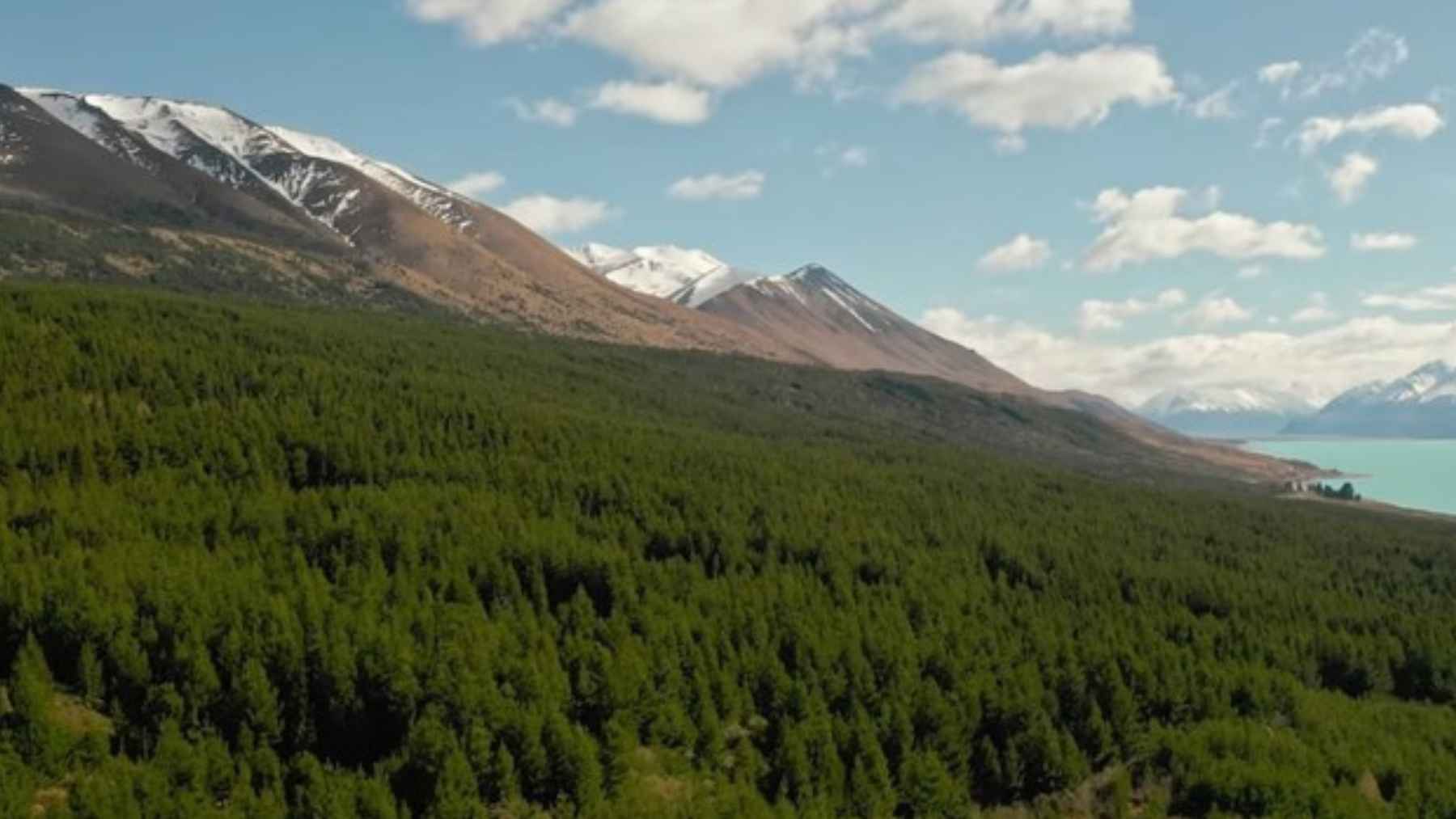
What if a tree-planting campaign meant to help the land ended up squeezing the very rivers that run through it? That is the bind New Zealand is dealing with as “wilding conifers” spread beyond managed forests and into open landscapes.
What began, in many cases, as productive forestry or erosion control has grown into a national pest problem.
By the government’s own count, more than 2 million hectares are affected, untreated infestations are expanding by about 5% a year, and the long-term economic hit could reach NZ$3.6 billion (about $2.1 billion) over 50 years.
How wilding conifers are reducing water in New Zealand catchments
This is no longer just a forestry story. It is a water story. Official New Zealand material says wilding conifer spread is often tied to earlier erosion-control planting by central and local government, although newer forests and farm shelterbelts can also seed invasions.
Once these trees escape, the issue is not only the landscape changing. It is also the “water yield” of a catchment, meaning how much rainfall actually makes it into streams, rivers, and reservoirs.
MPI cited studies showing annual water yield reductions of between 30% and 81% in hydro lake catchments infested with wilding conifers. In practical terms, that can mean less water moving downhill even after the rain falls.
Why hydroelectric schemes and irrigation are part of the debate
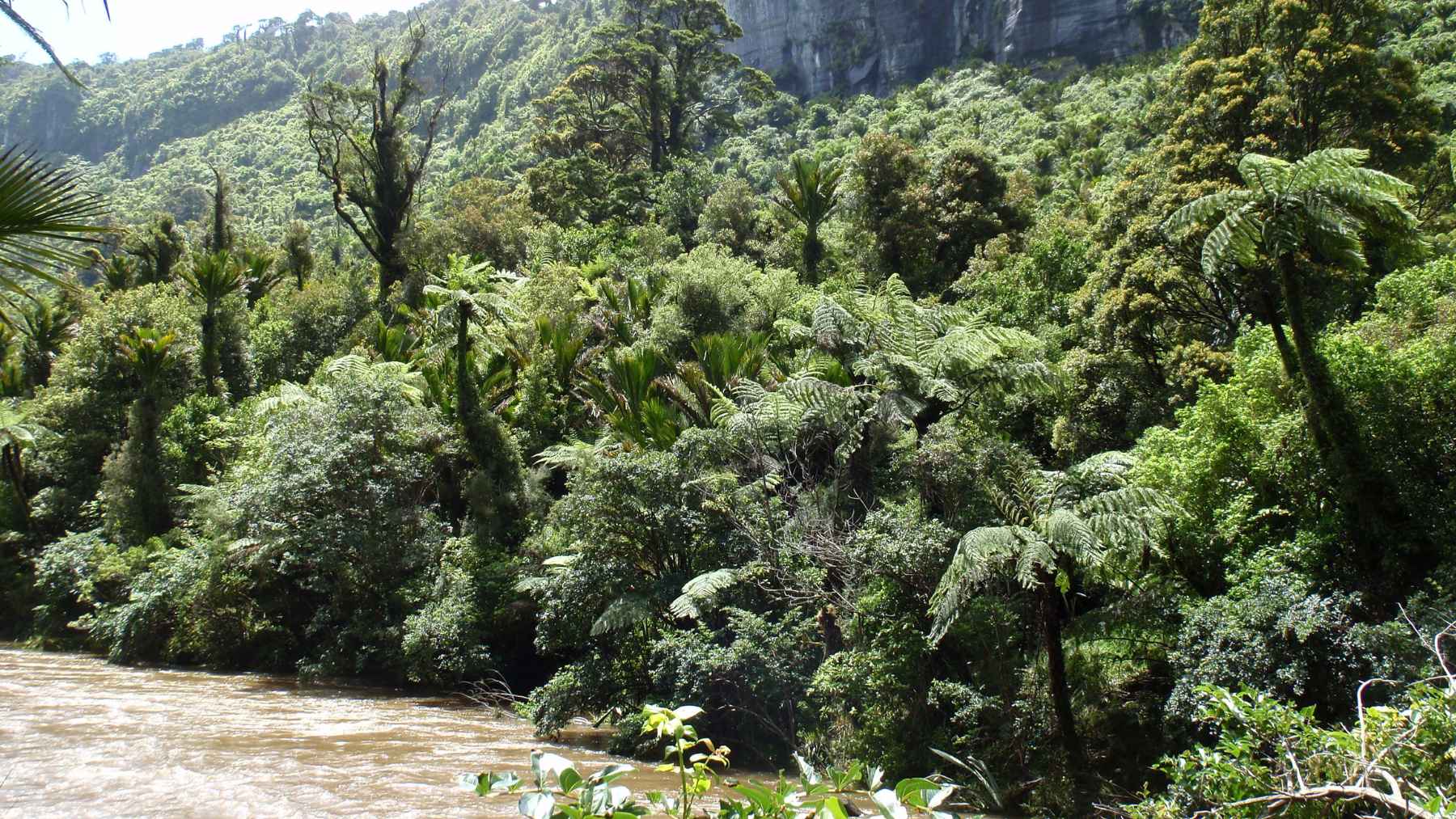
New Zealand’s Parliamentary Commissioner for the Environment has warned for years that extensive afforestation can reduce water yields and stream baseflows. That matters well beyond the backcountry. Older official analysis pointed to risks for the Waitaki and Clutha catchments, where reduced water inputs can affect major hydroelectric schemes and irrigation.
So yes, this can reach all the way from mountain slopes to farms, power generation, and the everyday systems people rely on without thinking much about them when they turn on a light or a tap.
Why New Zealand now spends millions on wilding conifer control
That is why the response has become so expensive and so organized. MPI says around 75% of known infestations have received at least one round of control through the national program.
From July 2020 to June 2021 alone, the program and its partners spent almost NZ$40 million (about $23 million) on control work across 817,000 hectares.
The government also said in 2025 that it has invested more than NZ$150 million (about $86 million) in the National Wilding Conifer Control Program since 2016, alongside more than NZ$33 million (about $19 million) from partners and communities.
At the end of the day, this is the hard lesson behind New Zealand’s pine problem. Planting trees is not automatically the same thing as restoring nature, especially when those trees do not stay put.
The official programme update was published on the Ministry for Primary Industries.