What does the energy transition look like when it leaves the planning room and hits the highway? In Huntly, New Zealand, it looked like three trucks hauling a 172-ton transformer through the night for Genesis Energy’s $135 million battery project.
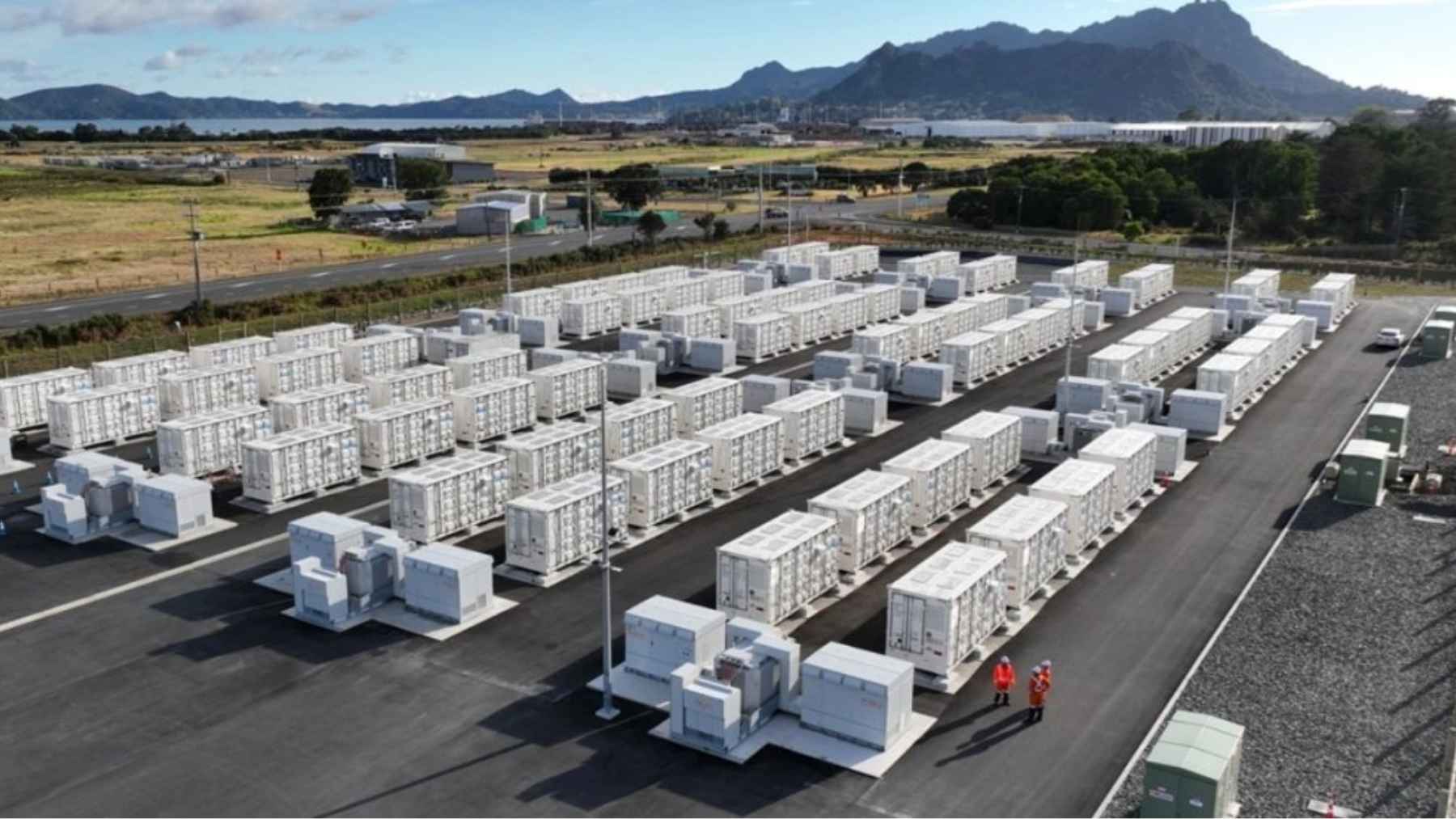
The transformer has now reached Huntly Power Station, where it will help connect a 100 MW battery with 200 MWh of storage to the national grid. Genesis says the system is expected to start operating later in 2026 and store enough electricity to supply about 60,000 households for two hours during peak demand.
Not your average overnight delivery
This was no routine cargo run. The transformer was manufactured in Indonesia and moved from the Port of Auckland to Huntly between midnight and 6 a.m. to reduce traffic disruption. The trip required a 17-axle trailer, three pilot vehicles, and an extra truck to help the load climb and descend the Bombay Hills.
The convoy also had to cross Huntly’s Tainui Bridge carefully before a crane lifted the unit off the trailer and placed it beside the battery site now under construction.
In practical terms, this is the hardware that lets the battery connect to the wider system. The transformer will raise the battery’s voltage from 33 kV to 220 kV so stored electricity can flow into the grid when demand spikes.
Think cold winter mornings and evenings, when heaters switch on, lights stay on longer, and the system has to respond fast. Small detail on paper. Big deal in real life.
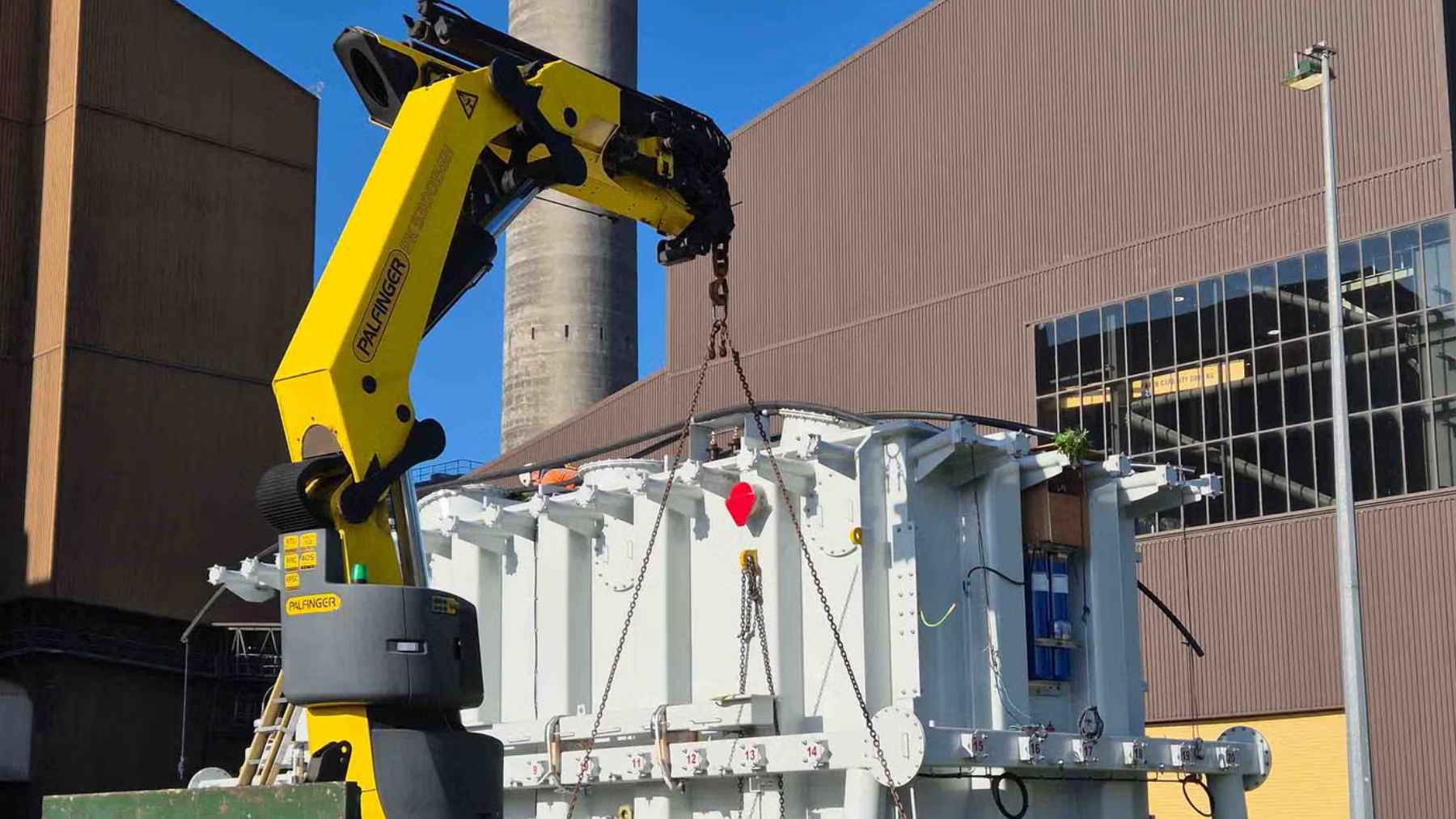
A heavy crane positions a 172 ton transformer at Huntly Power Station, a key component of New Zealand’s large scale battery project.
Why Huntly matters now
Genesis Chief Operating Officer Tracey Hickman said Huntly is “evolving” as New Zealand adds more renewable generation and needs flexible backup when hydro lakes are low and weather conditions cut solar or wind output.
That is the bigger story here. For the most part, batteries like this are not about spectacle. They are about keeping supply steady in a grid that is getting cleaner, but also more dependent on the weather.
And this is only the first phase. Genesis has said Huntly has room for as much as 400 MW and 800 MWh of battery capacity over time under its broader Gen35 strategy, giving the site a much larger role in balancing the country’s future power mix.
The press release was published on February 12, 2026, on Genesis NZ.