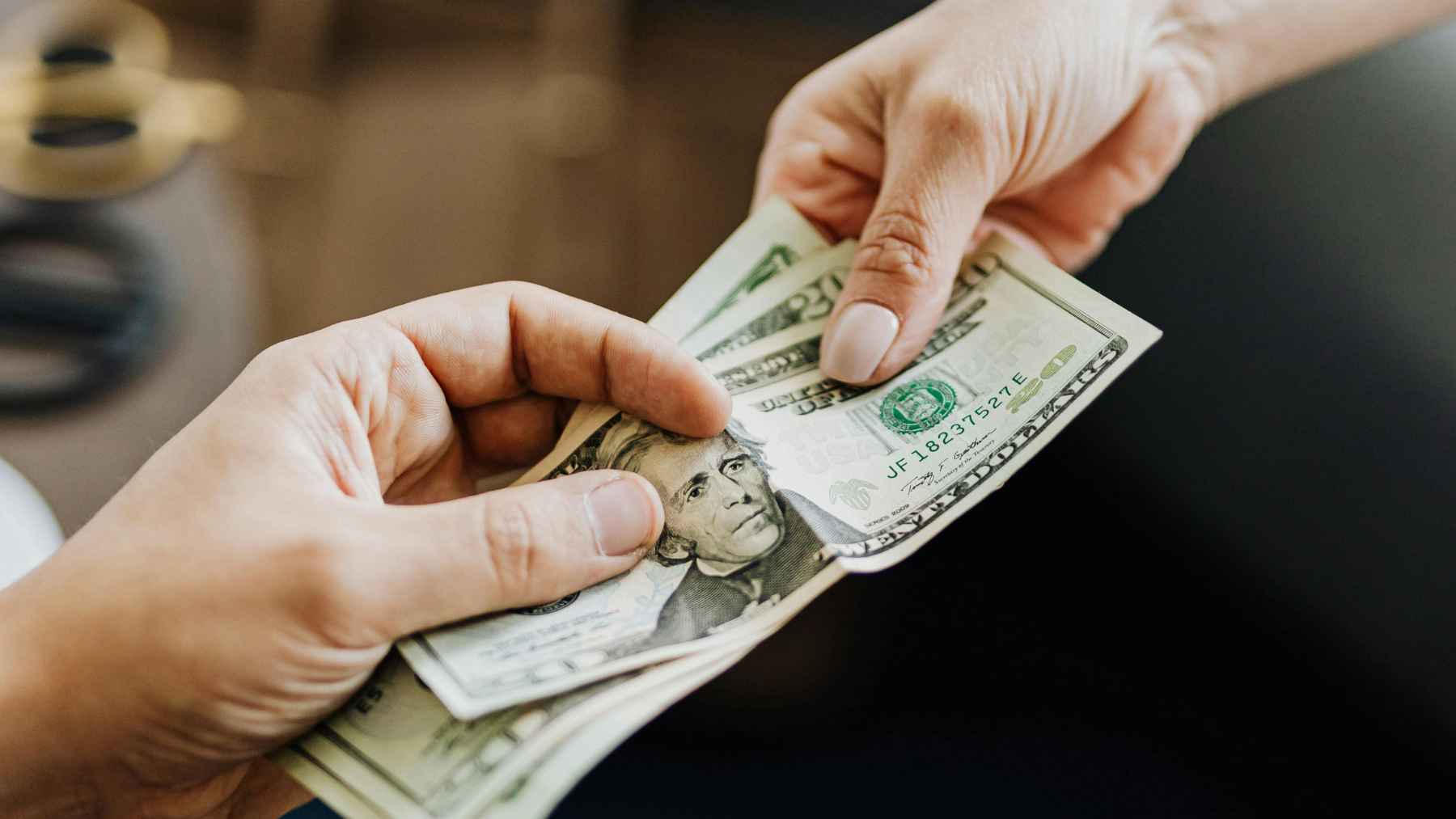
New York’s latest pushback against “card-only” checkout is now on the books. Starting March 21, 2026, most food stores and retail establishments statewide have to accept cash for in-person purchases, and they cannot charge customers more for using bills and coins. Violations can trigger civil penalties that start at $1,000 and rise to $1,500 for repeat offenses.
If this sounds like a small, old-school rule in a tap-to-pay world, that is the point. So what happens when you walk into a bodega for a late-night snack, your phone is at 2%, and the card reader is down? In New York, the store has to take your cash, and lawmakers are treating bills and coins like a backup generator for daily commerce.
What the new rule actually says
The statewide law makes it illegal for a covered store to refuse cash for goods or services, or to require customers to pay by card or another electronic method. New York Attorney General Letitia James framed it as a basic consumer right, saying “New Yorkers have a right to service no matter how they choose to pay” and warning her office will enforce the rule.
In practical terms, the law covers “food stores” and “retail establishments,” and it defines “cash” as U.S. coins and currency, not checks or foreign money. It also draws bright lines, like letting stores decline bills above $20 and letting them stay cashless for phone, mail, or online orders unless payment happens on the premises.
Why lawmakers are worried about exclusion
One reason is simple math. The FDIC’s most recent national survey found 4.2% of U.S. households, about 5.6 million households, were unbanked in 2023, meaning they had no checking or savings account. Another 14.2% of households, about 19 million, were considered underbanked, often relying on nonbank services even if they do have an account.
Even among people who are banked, cash use is not evenly distributed, and Federal Reserve research suggests lower-income households still lean on cash more than higher-income households, which can help with budgeting and avoiding overdraft or card fraud worries. Ever tried to stretch a paycheck to Friday? Cash can make that math feel more concrete.
Cashless checkout is growing, but cash keeps showing up
Digital payments have momentum, and the data backs that up. The Federal Reserve Bank of Atlanta’s 2024 consumer payment research found cash fell to 14% of payments by 2024, down from 16 percent in 2023, while cards stayed dominant. That helps explain why some restaurants and small shops stopped handling cash in the first place.
But here is the legal twist that many consumers miss. Does the bill in your wallet not say it is good for “all debts, public and private,” and should not that settle it? The Federal Reserve says there is no federal statute forcing businesses to accept cash for everyday purchases, which is why New York City adopted its own cash acceptance rule in 2020 and the state is now scaling that approach statewide.
The tech workaround that is written into the law
There is also a very modern compromise embedded in the statute. A store does not have to take cash at the register if it provides an on-site device that converts cash into a prepaid card, as long as the device charges no fee and allows loads as small as $1.
The law also requires a receipt upon request, and it says the cash balance on that prepaid card cannot expire and cannot be capped by a transaction limit.
That sounds like a niche detail until you think about where cashless policies are most common.
Stadium concessions, self-checkout kiosks, and automated retail often aim to reduce staff handling of bills, but the device rule keeps those models possible without locking out cash customers, and it raises a fair question: is it a loophole or a bridge? Either way, if the device malfunctions, the business has to accept cash and post a clear sign explaining the customer’s rights.
What this means for costs, fees, and everyday operations
For merchants, the debate is not just cultural. Reuters reported that Visa and Mastercard swipe fees averaged about 2.35% in 2024 and typically fall in the 2 to 2.5% range, and those fees often include a per-transaction component as well. On a $4 coffee, it does not look like much, until you multiply it by hundreds of transactions a day.
The easiest mistake for businesses is assuming compliance is only a sign on the door. In reality, managers may need to update point-of-sale settings, train staff on the $20 bill limit, and plan how to handle in-store pickup orders that started online.
And for consumers, the enforcement path matters too, since the attorney general is encouraging complaints to her office while the statute also points to the state’s Division of Consumer Protection for reporting.
What to watch next
New York’s move is part of a wider policy debate about payment choice in an increasingly digital economy. Congress has seen repeated proposals called the “Payment Choice Act,” including a 2025 bill introduced in the U.S. Senate that would require many brick-and-mortar retailers to accept cash for in-person transactions up to $500.
It is still only a proposal, but it shows how state-level fights over payment choice can quickly become a national argument.
There is also a quieter national security style argument in the background. Federal emergency preparedness guidance still tells households to keep some cash in a basic emergency kit, partly because ATMs and payment terminals can fail during disruptions.
The press release was published on the New York State Office of the Attorney General.