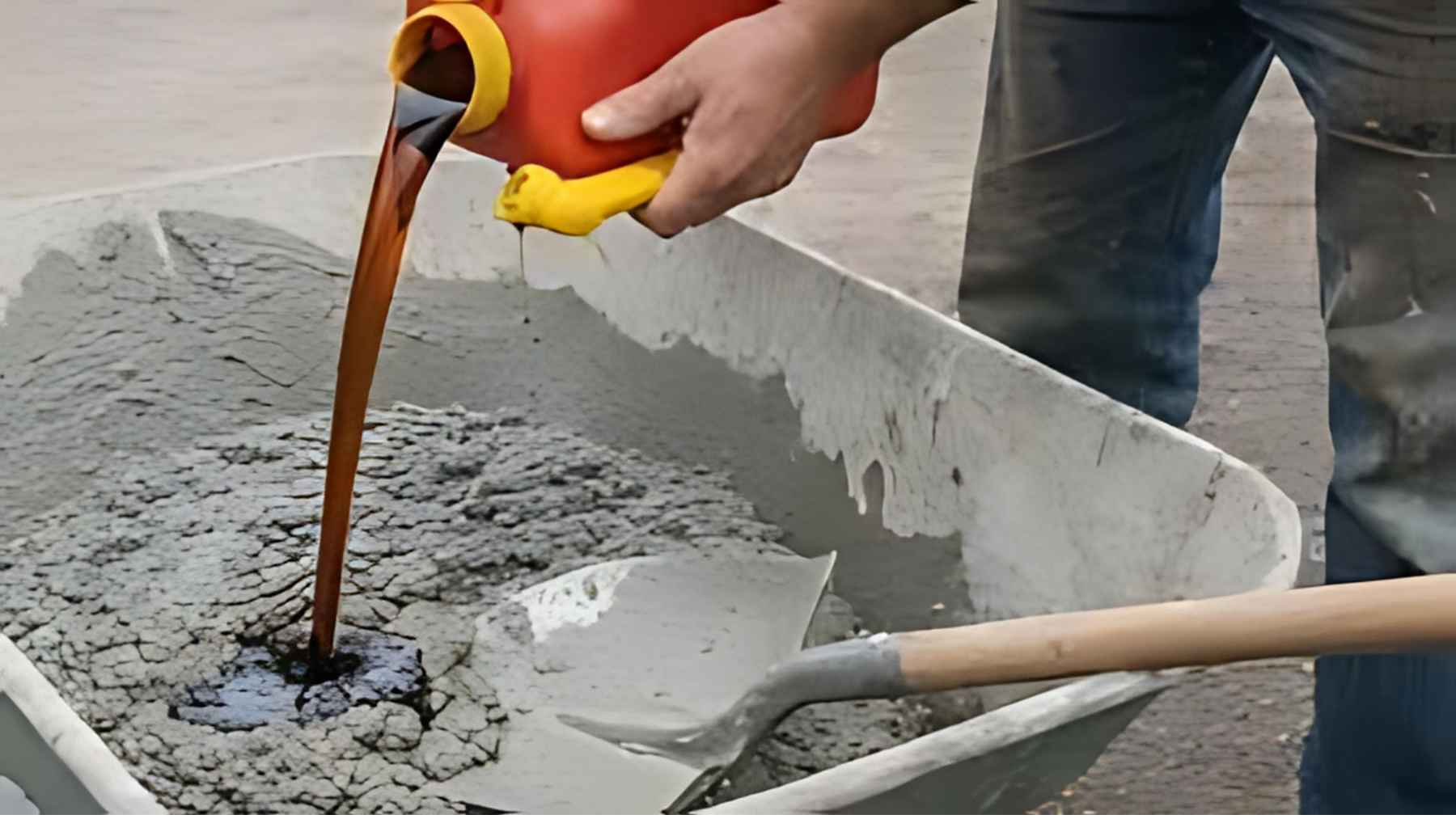
A viral home repair trick says mixing cement with used oil can seal cracks fast and keep water out. Sounds clever, right? But the bigger story is not the hack itself. It is the risk of turning a regulated waste stream into an improvised building material, especially when the “used oil” involved is spent lubricating oil from vehicles or machinery.
Brazilian rules say used or contaminated lubricating oil must be collected and given a final destination that does not harm the environment, and rerefining is treated as the main recycling route.
Why used lubricating oil is not a harmless DIY ingredient
That matters for more than one reason. Brazil’s national waste information system says used lubricating oil is “toxic and persistent” and can be dangerous to both the environment and human health if it is mishandled.
The same official page warns that one liter can contaminate more than 1 million liters of water. So that small crack in a wall or slab is not just a home repair issue. It can turn into a pollution issue very quickly.
The business case for keeping waste oil in the recycling chain
There is also a business angle here, and it is easy to miss in short viral videos. IBAMA says rerefining helps recover valuable raw materials from used oil and can reduce the need to import light petroleum inputs for lubricant production. In other words, the formal collection system is not just red tape. It is part of a circular economy chain.
Brazil’s own 2024 CONAMA presentation said collection in 2023 reached 49.05% of the volume of finished lubricating oil sold in the country. Pulling waste oil out of that chain for backyard repairs cuts against that effort.
Why professional waterproofing systems are different
Professional waterproofing products are a different story. Companies such as Sika and Mapei sell polymer-modified cementitious coatings made for concrete and masonry, with stated mixing ratios, application guidance, and performance claims for preventing water infiltration and bridging fine cracks.
Sika’s product sheets, for example, describe pre-batched components with consistent quality and note that proper curing matters. That is a long way from dumping unknown used oil into a bucket and hoping for the best.
The safer fix for cracks and leaks
At the end of the day, this viral fix looks less like a breakthrough and more like a shortcut with environmental baggage. Nobody wants damp walls, peeling paint, or that musty smell that creeps into a room after rain.
But for the most part, the safer answer is still the boring one. Diagnose the leak, use materials designed for construction, and keep hazardous waste inside the regulated collection system where it belongs.
The official statement was published on CONAMA.