How do you make nearly $130 million in crude harder to trace? One suspected way is to move it quietly from one tanker to another, well offshore and well out of public view. That is the bigger story behind Malaysia’s latest maritime seizure.
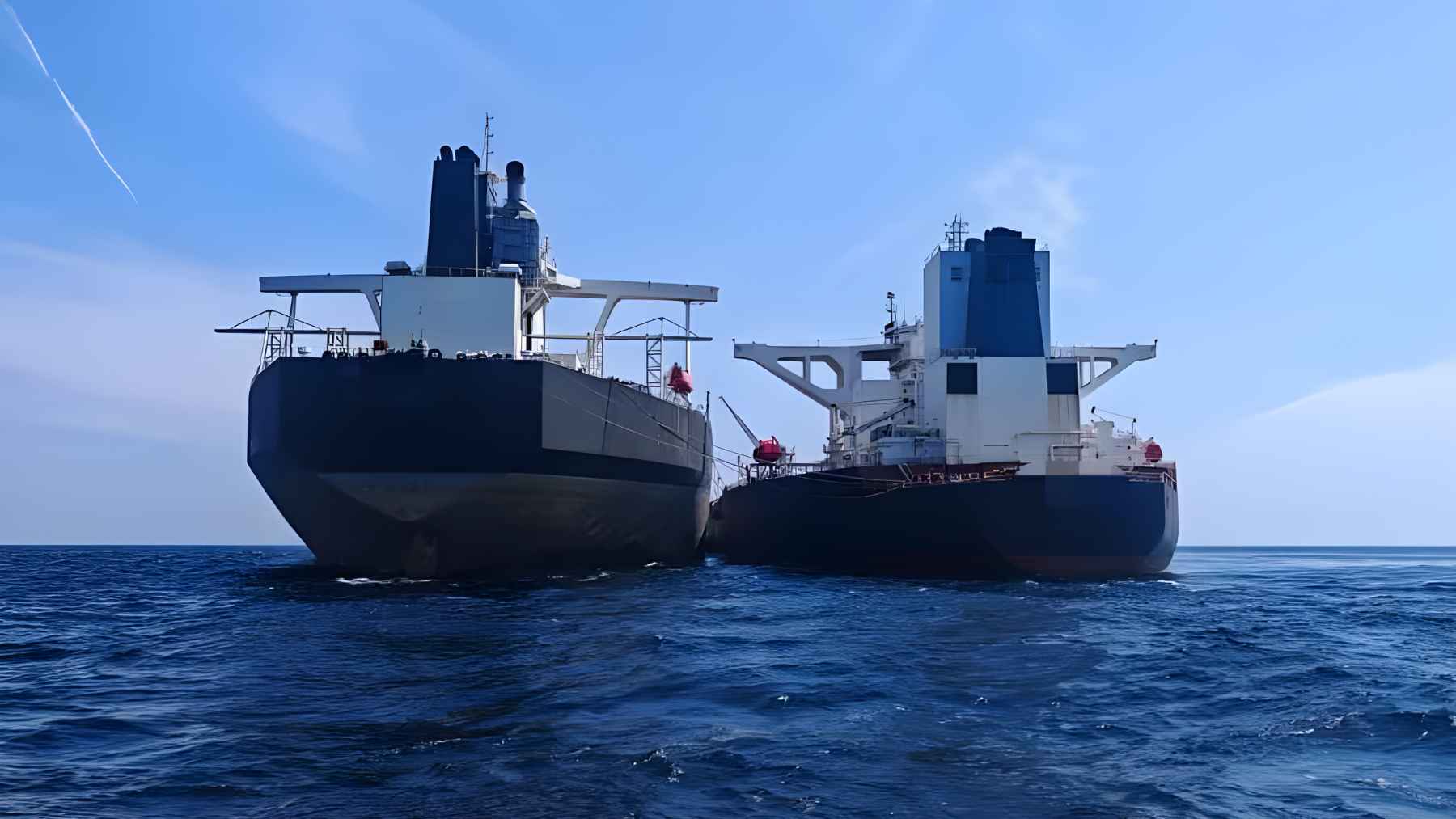
The Malaysian Maritime Enforcement Agency said it detained two tankers 24 nautical miles west of Muka Head, Penang, and seized more than RM512 million ($129.9 million) in crude after what authorities suspect was an illegal ship-to-ship transfer. Officials said the vessels were found anchored and coupled at sea, and they still have not disclosed where the oil came from.
A major haul and a major gap in the story
Most people only think about oil when it shows up in gas prices, shipping costs, or the electric bill. But a lot of the real action happens far from shore. In this case, the agency said the two tankers were worth RM718 million and were carrying 53 crew members from China, Myanmar, Iran, Pakistan, and India.
Two captains were arrested and handed over to investigators in Penang. That is a large enforcement action by any standard. But one question still hangs over the whole case. Where did the crude originate?
That missing detail matters because waters off Malaysia are known as a regular site for ship-to-ship transfers used to obscure a cargo’s origin. Reuters reported that Malaysian authorities said in July 2025 they would tighten enforcement around the practice.
In practical terms, that means closer scrutiny of tankers anchored offshore without clear permission or found operating side by side in suspicious conditions, just as these vessels were. So yes, this looks like a local seizure. But it also points to a wider problem in regional oil trade.
The real issue is deterrence
And here is where the business angle gets sharper. Authorities said the vessels are being investigated for anchoring without permission, which carries a RM100,000 penalty, and for illegal ship-to-ship transfer activity, which carries a RM200,000 penalty per vessel.
Those are not trivial sums. Still, they are tiny next to a cargo valued at more than RM512 million. At the end of the day, what this case shows is simple. Catching tankers is one thing. Making the risk outweigh the reward is the harder part.
For now, Malaysia can point to a high-profile seizure and two detained captains. But until authorities explain the crude’s origin, the story remains only partly visible.
The official statement was published by the Malaysian Maritime Enforcement Agency.