Maine has passed a law that tells utility regulators to treat household electricity affordability as a core part of their job, not a side note. Gov. Janet Mills signed LD 1949, “An Act Regarding Energy Fairness,” which updates how the Maine Public Utilities Commission (PUC) weighs costs when it sets or approves rates.
Will your next bill drop because of it? Not automatically. But in a state where electricity prices have been climbing, the law is a clear signal that the monthly bill on the kitchen counter is now part of the official scorecard.
What the new law requires
The statute adds a new affordability requirement to Maine law. When the PUC executes its duties, it must consider the impact on affordability for residential customers while still ensuring system reliability. That applies broadly, which gives advocates and utilities a new line to argue in future rate cases.
It also orders a comprehensive review of electric delivery rates, meaning the charges for poles, wires, substations, and day-to-day utility operations.
The PUC must look at each component and consider changes that could contain customer costs, reduce bill volatility, and improve transparency, with stakeholder engagement built into the process.An interim report is due by January 31, 2027, with a final report by December 15, 2027.
The law separately requires an “affordability metric” that measures how electricity bills affect a household’s overall energy burden for customers of investor-owned transmission and distribution utilities.
The PUC must report progress by January 15, 2027, and deliver a final report by December 15, 2027, including recommendations or proposed legislation if needed. This is the wonky part, but it is also where the policy teeth are.
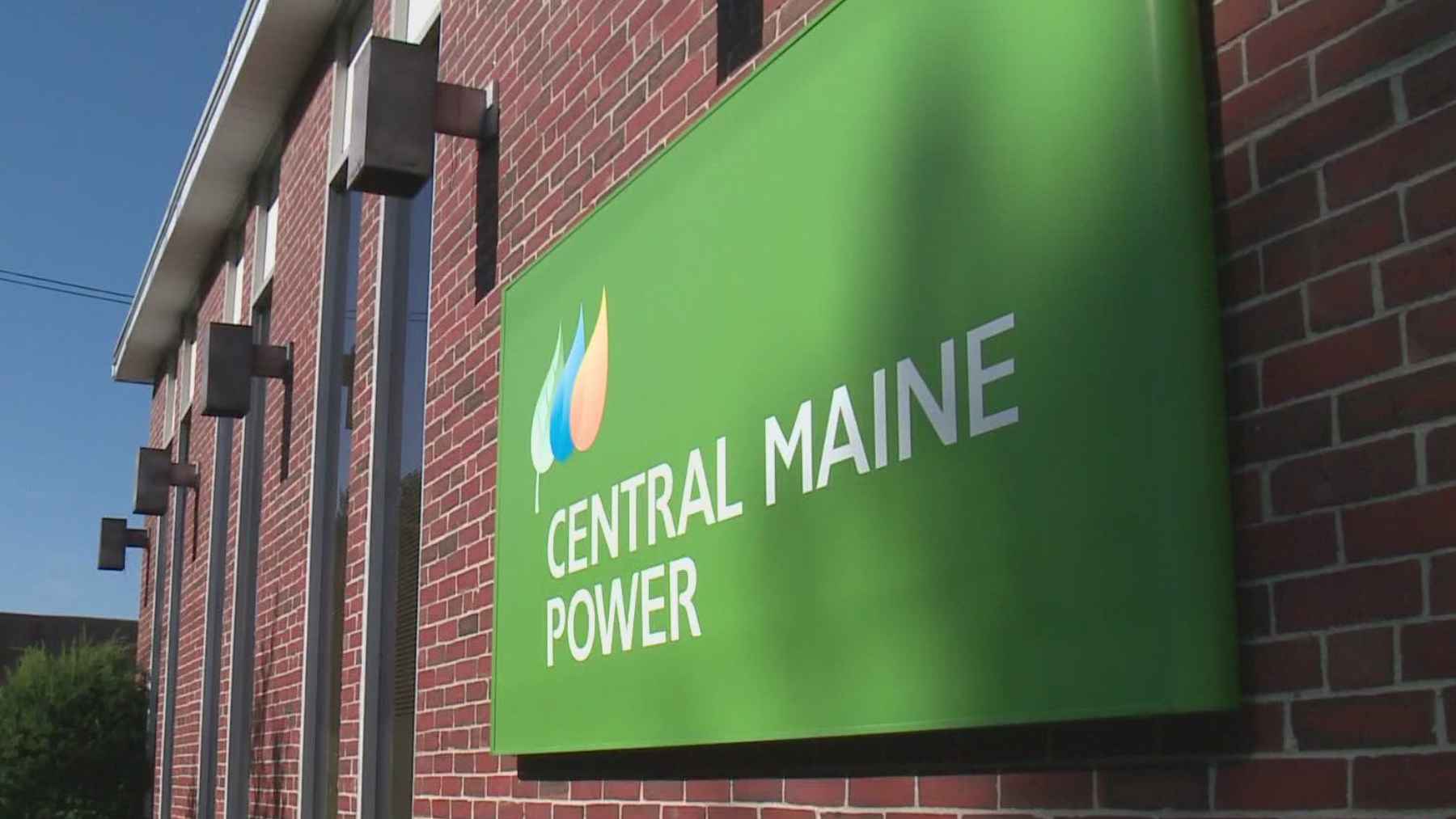
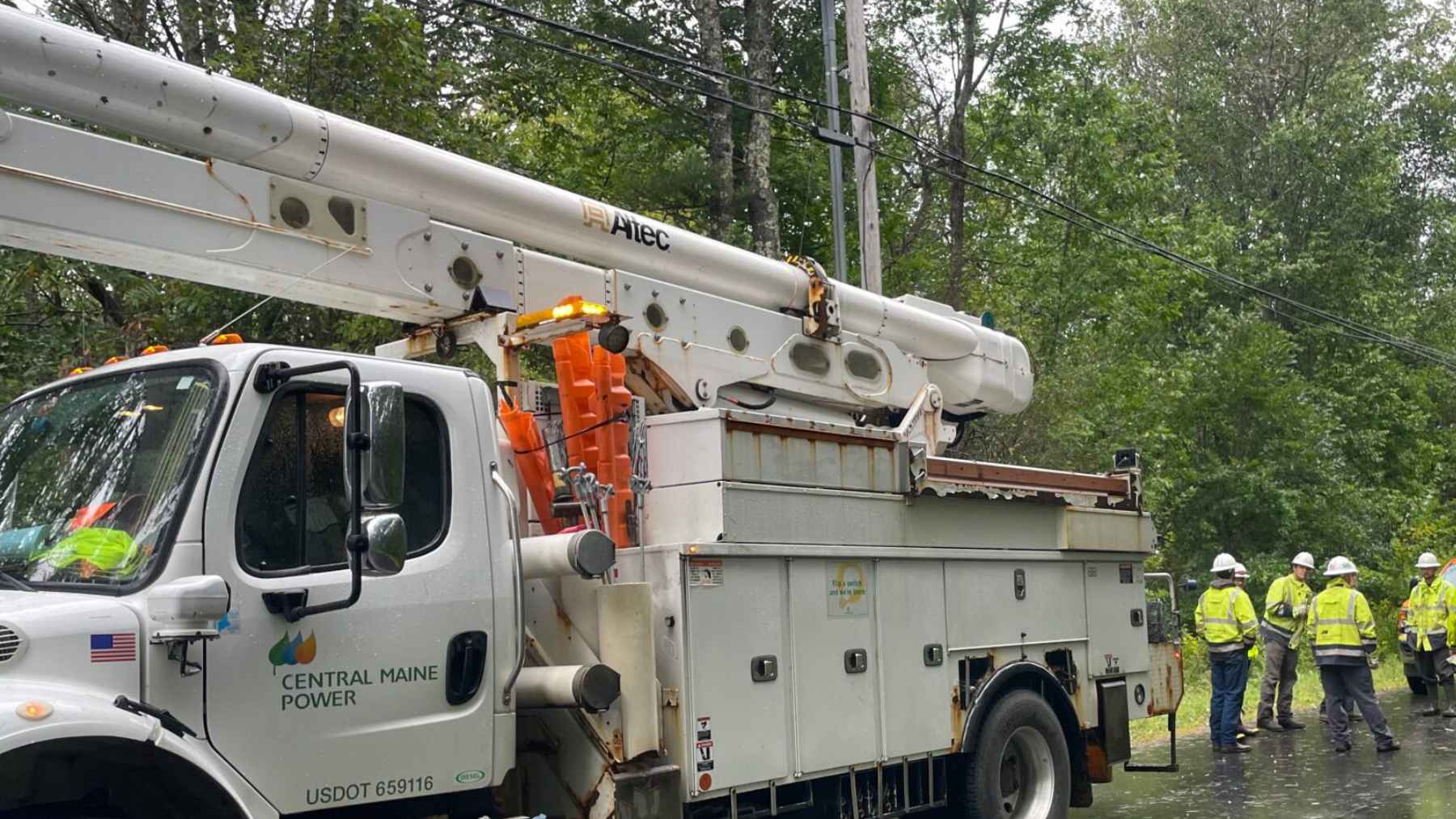
Central Maine Power sign on a building exterior, representing utility companies impacted by Maine’s new electricity affordability law.
The pressure behind the vote
Maine’s electricity prices are high even by New England standards. The U.S. Energy Information Administration puts Maine’s average residential electricity price at 30.73 cents per kilowatt-hour in January 2026, up from 26.13 cents in January 2025, a year-over-year jump of about 18%.
And the pain is not evenly spread. A 2024 analysis prepared for the Maine Electric Ratepayer Advisory Council found home energy costs were unaffordable for over 200,000 Maine households, with moderate-income households facing an affordability gap of nearly $700 a year.
It also found low-income residents were spending roughly 30% of their income on energy, which helps explain why “affordability” has become more than a slogan at the State House.
That context matters for Maine’s bigger energy plans. Electrifying heating and transportation can lower emissions, but it also shifts more day-to-day spending onto electricity, where prices move fast and hit every household. If the cost signal is too painful, adoption slows, and the entire transition gets harder to sell.
Why delivery charges are in the crosshairs
Most people hear “rate increase” and think about the supply price per kilowatt-hour. Maine’s Department of Energy Resources points out that a residential bill has two main components, supply and delivery, and they typically represent about half of a monthly bill each, with additional charges for stranded and other costs.
The same state breakdown shows why delivery rate design matters. For a typical 550-kilowatt-hour monthly household, the department lists an average bill of about $168 for Central Maine Power customers and about $184 for Versant customers in Bangor Hydro District, as of January 1, 2026.
It also notes a supply rate increase and a transmission rate increase as key drivers of the January changes, with transmission rates determined by the Federal Energy Regulatory Commission.
Supply prices did rise, too. The state’s standard offer supply rate table shows Central Maine Power at 12.72 cents per kilowatt-hour for 2026, up from 10.6 cents in 2025, and Versant’s Bangor Hydro District at 12.95 cents for 2026, up from 10.6 cents in 2025.
But delivery charges are where the PUC has the most direct leverage, and where storm recovery, grid upgrades, and rate design choices can quietly add up.
Transparency on credit and collection
The law does not just focus on the price of electricity. It also targets what happens when customers fall behind, requiring the PUC to publish credit and collection data on its public website for transmission and distribution utilities with more than 50,000 customers, presented in a clear and transparent way.
In practice, that points at the state’s largest investor-owned utilities, Central Maine Power and Versant Power, as reported by Maine Public. Supporters argue that making this information easier to see can help utilities, regulators, and community groups understand where high bills are translating into arrears and hardship.
It is the kind of data that can shape everything from bill assistance programs to the politics of future rate increases.
Of course, transparency has limits. Publishing useful patterns while protecting individual privacy is a real challenge, and the law is written around aggregated reporting submitted under existing rules. Still, once the data is public, it becomes harder for any side to argue from anecdotes alone.
What to watch next
The biggest thing to remember is timing. This law sets up reviews, deadlines, and new tools – and it takes effect 90 days after the conclusion of the Legislature’s second session, rather than cutting rates on day one.
For households, the next milestones are the PUC’s 2027 interim reports on delivery rate design and the affordability metric, which could tee up future legislation or regulatory changes.
For businesses, especially energy heavy employers and the contractors building grid upgrades, the new mandate means affordability arguments will carry more weight in the docket room, even when reliability investments are on the table.
Sen. Anne Carney, the bill’s sponsor, called the new law a way to “root decisions” in residential affordability and said it provides “statutory tools” to center everyday budgets in energy policymaking.
Whether those tools translate into lower bills will depend on how the commission measures burden, how it balances costs against reliability, and how much public attention shows up when the next rate case lands.
The official statement was published on Maine Senate Democrats.