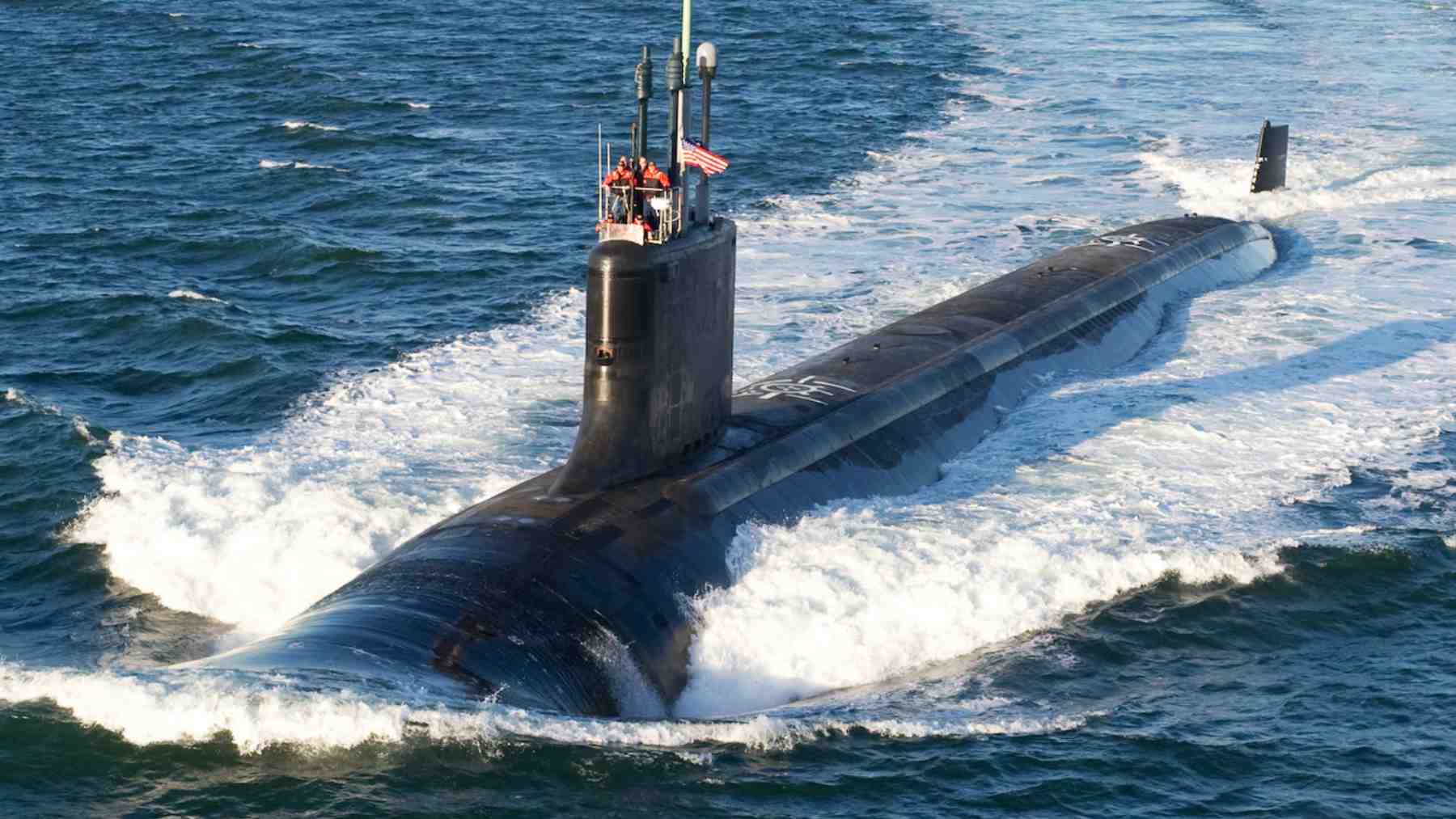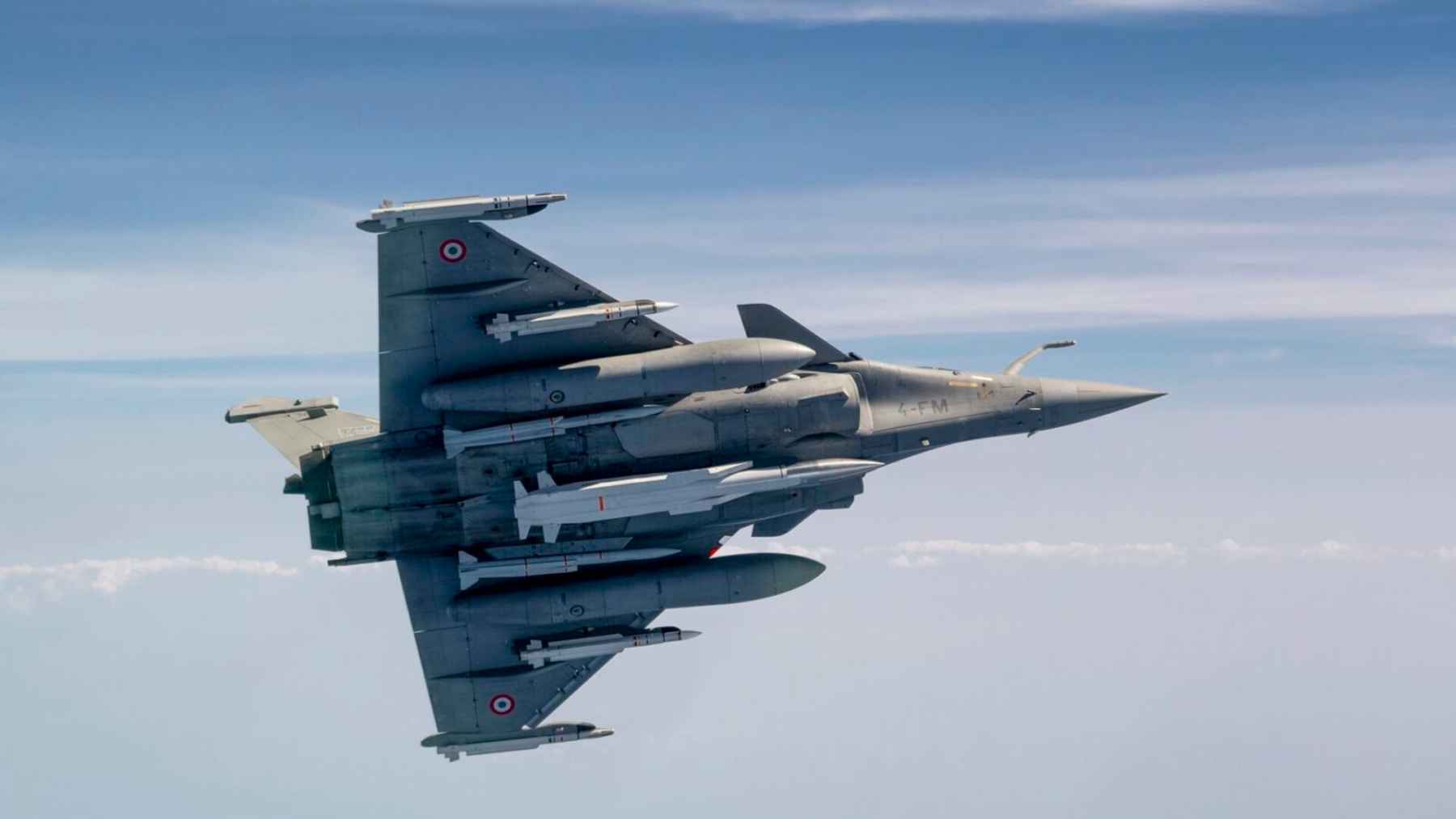
French President Emmanuel Macron has opened a new chapter in Europe’s nuclear posture, saying France will allow the temporary deployment of nuclear armed aircraft to allied countries and increase its stockpile of warheads beyond the current level off ewer than 300.
The move is being framed as a response to a rougher security landscape and doubts in Europe about how reliable the US nuclear umbrella may be. But there is another part of the story that should not be ignored. More deterrence also means more bases, more flights, more infrastructure, and a bigger environmental burden at a time when Europe is already struggling to stay on track with its climate goals.
Macron made the announcement at France’s Île Longue base on March 2 and described it as a step toward what Paris calls “advanced deterrence.” Under that approach, France would still keep sole control over any decision to use nuclear weapons, but some allies could host French strategic air assets temporarily and join related exercises.
Talks have started with several countries including Germany, Poland, the Netherlands, Belgium, Greece, Sweden, Denmark, and Britain. France and Germany also announced a new high level nuclear steering group the same day.
Military emissions and Europe’s climate goals
In practical terms, that means Europe’s security debate is no longer just about missiles and command chains. It is also about energy use, land use, and emissions. France’s own defense establishment has acknowledged that pressure.
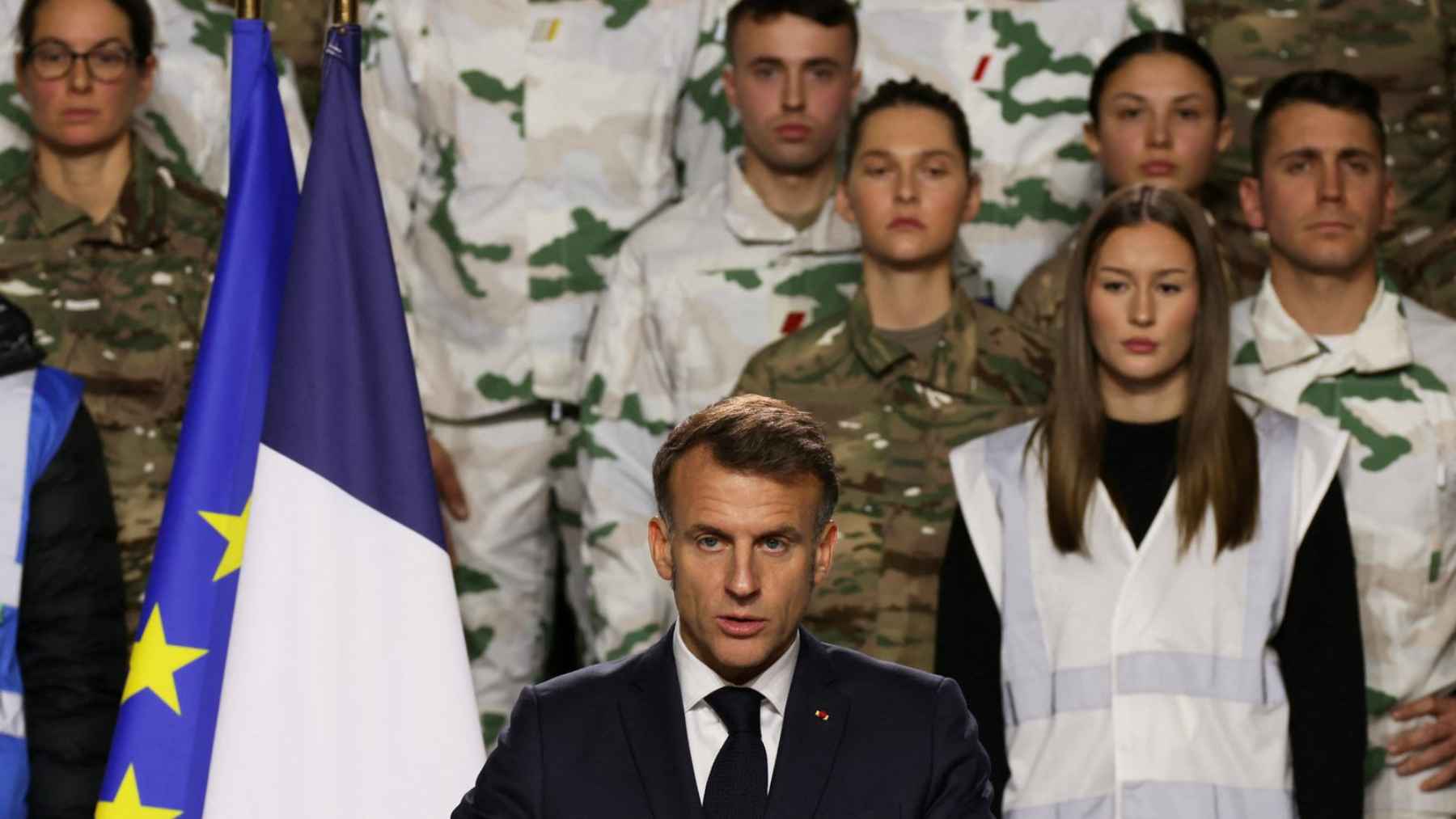
In its climate and defense strategy, the French military ties its planning to the country’s broader low carbon goals, which include cutting greenhouse gas emissions by at least 40 percent by 2030 compared with 1990 levels. That is the tricky part. Expanding military readiness while also lowering emissions is a hard balance, a bit like trying to floor the gas pedal and save fuel at the same time.
Defense infrastructure and the environmental cost
For ordinary Europeans, this may sound distant. It is not. New defense infrastructure can shape public spending choices, industrial priorities, and even the local footprint around bases and airfields.
Also Read: Treasury moves to end IRS union contracts
Think about the electric bill, heavy transport, noise, and the energy demand tied to high readiness operations. For the most part, governments still treat military emissions as a side issue. Experts have long warned that this blind spot makes climate accounting less complete just as defense budgets are climbing.
Can Europe strengthen deterrence without weakening its environmental promises?
Macron’s announcement may prove strategically significant. But it also sharpens a question Europe can no longer duck. Can it build a stronger deterrent without blowing a wider hole in its environmental promises? That debate is just getting started.
The official statement was published on “Élysée”, and the wider defense backdrop is also visible in recent reporting on firepower gaps.