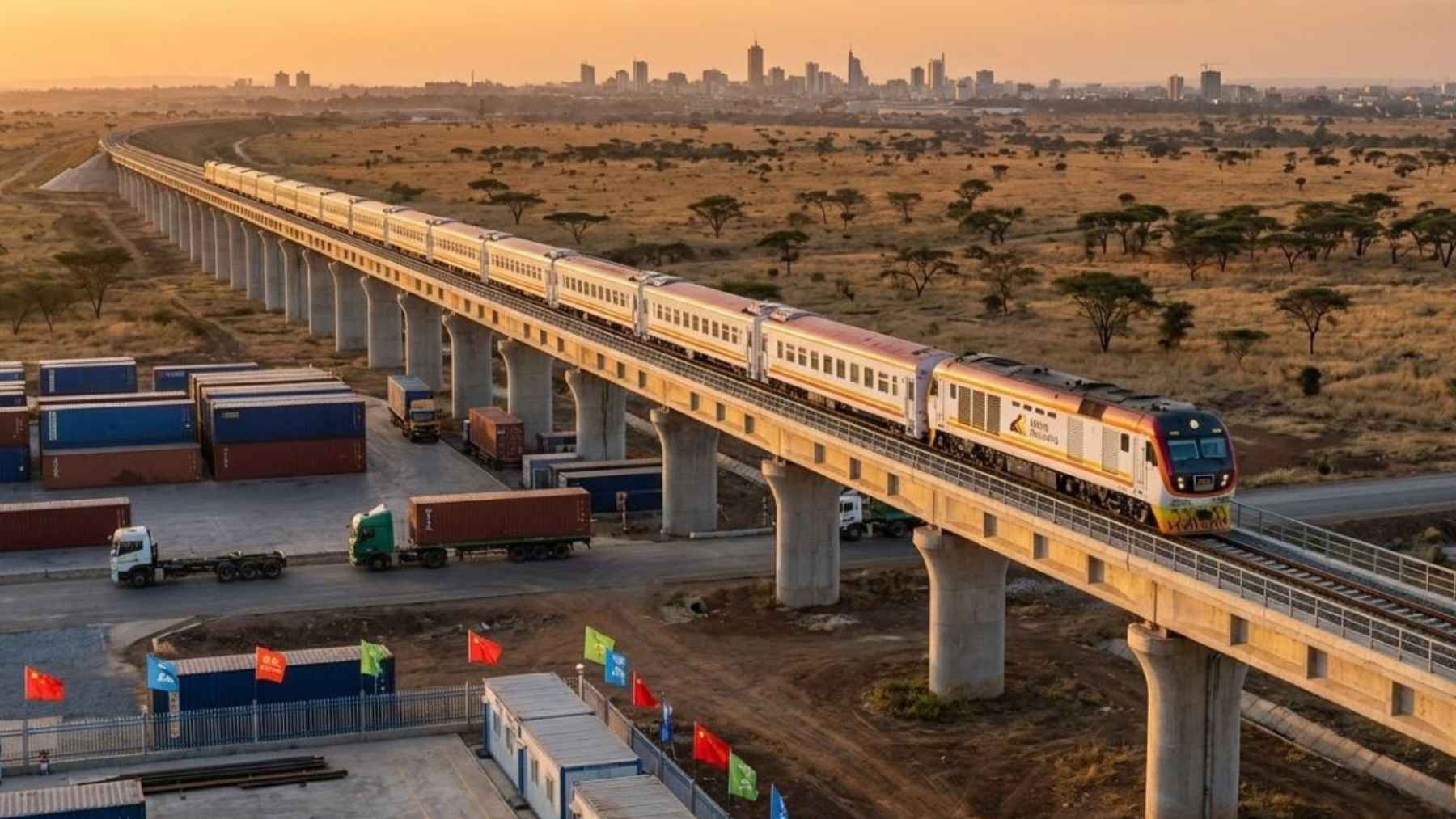
What do you do when you still want a cross-border railway, but the big lender that helped start it has stopped writing large checks? Kenya’s answer, unveiled this week, is to restart its long-stalled Standard Gauge Railway extension with a financing plan that leans more on its own revenue streams and less on fresh sovereign borrowing.
The move matters well beyond Narok County, where President William Ruto kicked off the next stretch of track. It signals how African governments and Chinese firms may try to keep mega-infrastructure alive in a world where Beijing is lending less and voters are more sensitive to debt and taxes.
A railway that refused to end at Naivasha
Kenya has restarted construction after a six-year pause that left the rail line short of the Ugandan border, delaying a long-promised regional connection for trade and transport. At the launch, Ruto pushed back on the idea that the project was “a railway to nowhere,” framing the restart as proof the plan was always bigger than the unfinished segment.
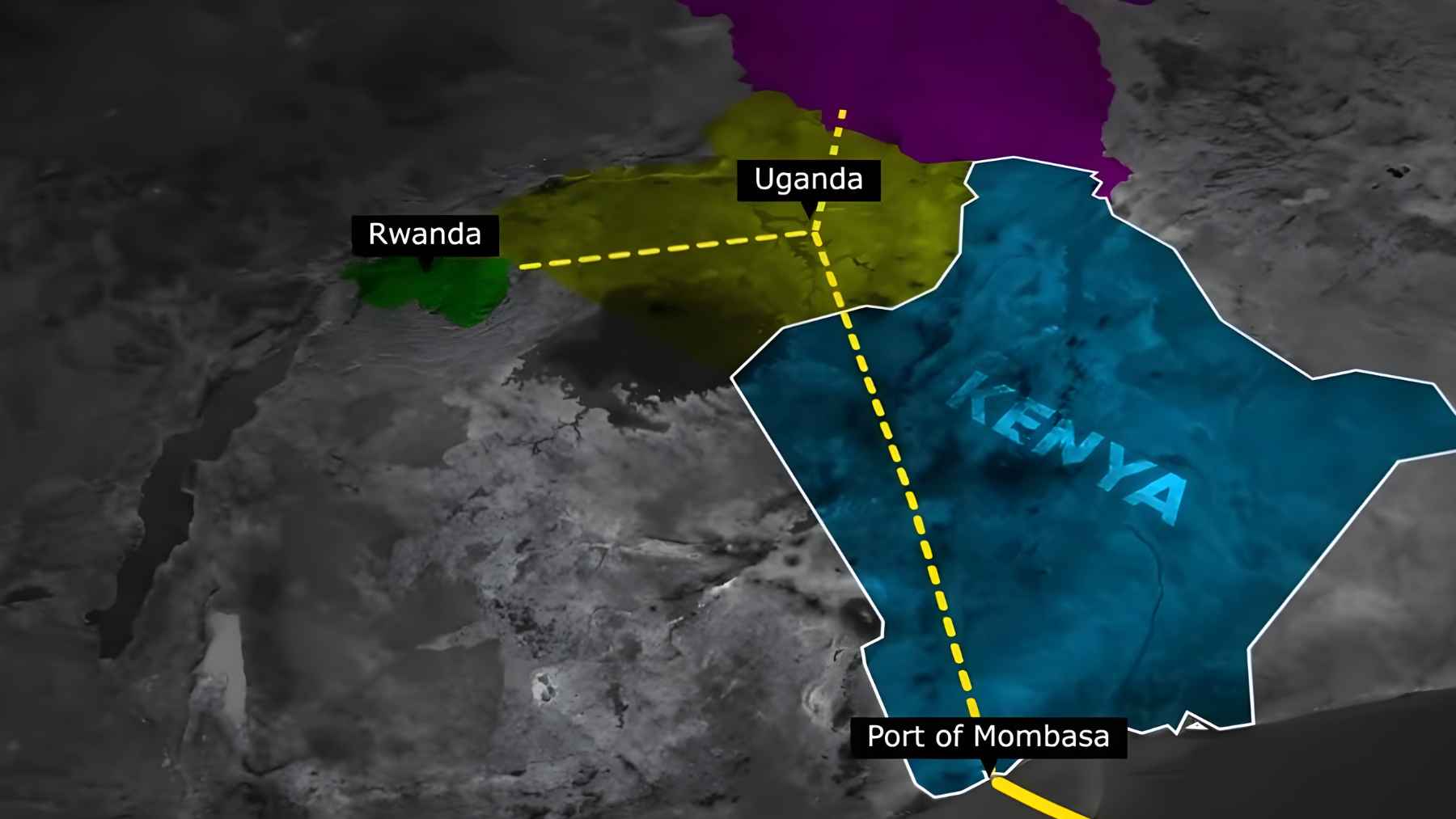
Government messaging is also leaning into the strategic value of the corridor. In an official ministry update, Kenya described the next phases as a 264-kilometer (about 164-mile) Naivasha to Kisumu line plus a 107-kilometer Kisumu to Malaba section that would link Kenya with Uganda and the wider region.
The money is coming from the cargo stream
Reuters reported that Kenya plans to seed the extension using a Railway Development Levy tied to cargo flows, estimated at about 35 billion Kenyan shillings (around $270 million) per year. The government and Kenya Railways have not disclosed the total price tag or the full financing structure, which is a key detail for investors and taxpayers alike.
This is where “securitization” enters everyday life. In practical terms, it means turning expected future levy revenue into upfront cash, which can speed up construction—but it can also shape costs that end up in freight rates and, eventually, on store shelves.
Parliament’s rules put guardrails around securitization
Kenya’s own legal plumbing is being updated to make this approach possible at scale. A parliamentary bill published in the Kenya Gazette Supplement proposes a dedicated Railway Development Levy Fund and allows a portion of that fund (up to 90%) to be used to “secure additional funds” for railway infrastructure, with administrative costs capped at 0.5%.
That design tries to solve an old problem in infrastructure finance. Ring-fencing a levy can reassure financiers that the money will not be diverted, but it also effectively pledges future revenue, which can reduce flexibility if cargo volumes fall or the economy slows.
China is lending less, but it is not leaving
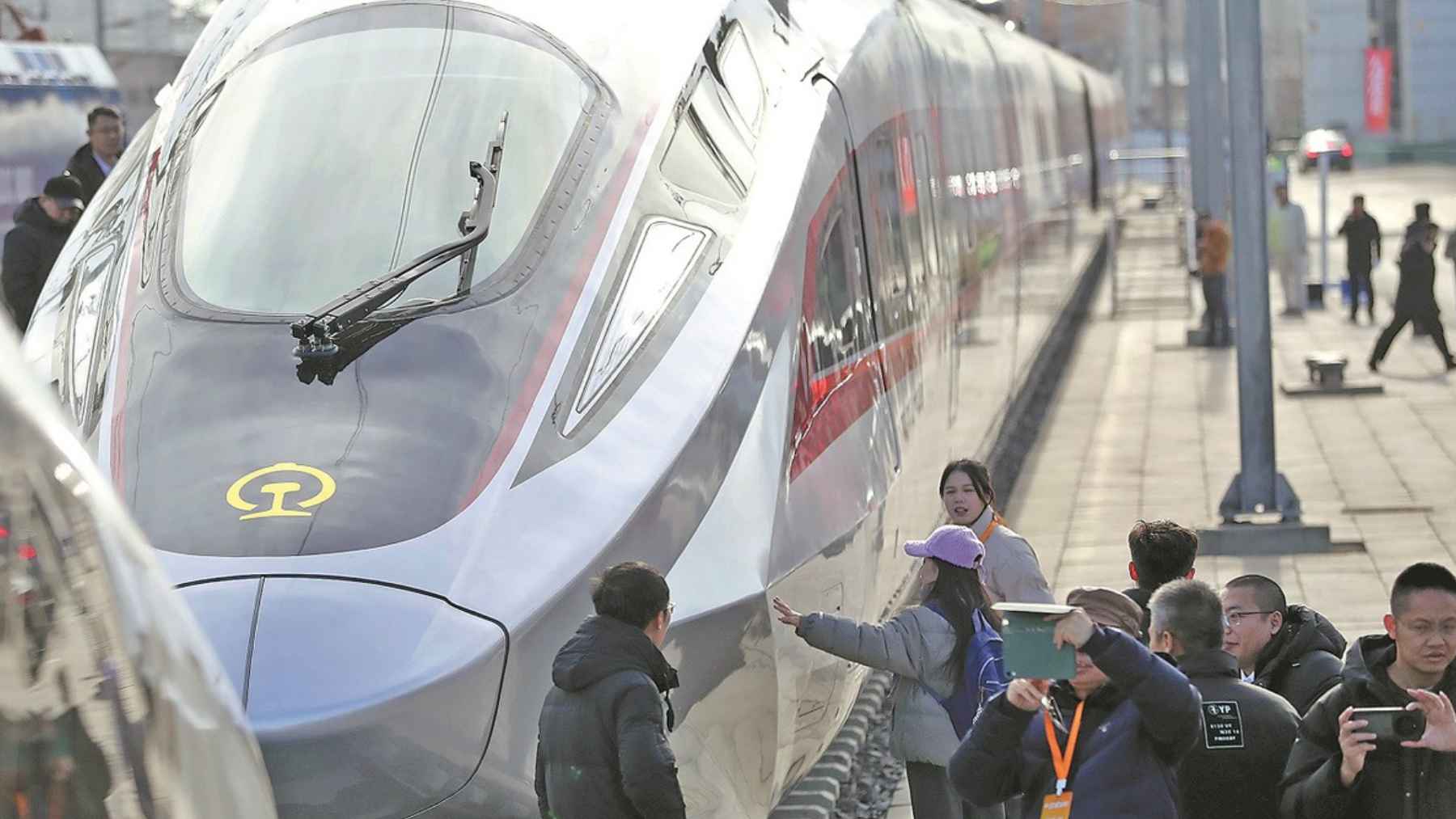
China remains central to the project, with China Road and Bridge Corporation named as the main contractor for the new phase. Analysts quoted by Reuters described Beijing as experimenting with more risk-sharing arrangements, rather than relying on the large, government-to-government loans that powered many early Belt and Road projects.
The shift is visible in the numbers. Boston University data shows Chinese loan commitments to Africa have fallen sharply since their mid-2010s peak, with 2024 lending down to about $2.1 billion compared to $28.8 billion in 2016.
The bigger bet is regional demand, not just fresh track
For Kenya, the payoff depends on whether the Northern Corridor keeps generating enough cargo to justify the revenue-backed model and the long construction timeline.
Kenya’s government has argued that extending the line will reduce transport costs and move more freight off crowded highways, where trucks currently carry the bulk of cargo between Mombasa and the region’s interior.
If the restart delivers visible progress and real logistics savings, it could become a template for other governments trying to build without adding unsustainable debt. But if the levy-backed model runs into political backlash or misses revenue targets, it could become another cautionary tale.
The official statement was published on Ministry of Roads and Transport.