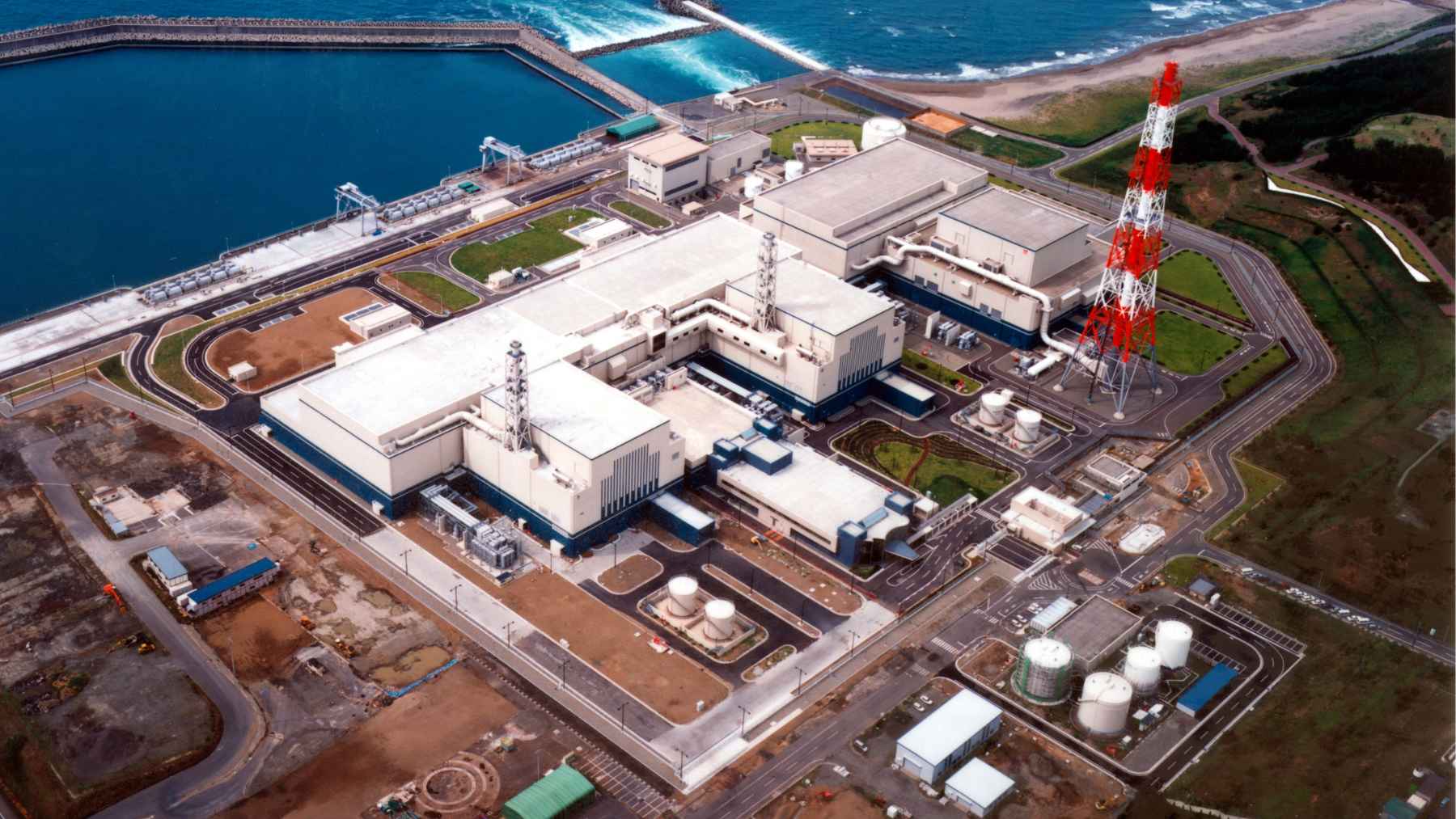
Japan is moving ahead with the restart of Unit 6 at the Kashiwazaki-Kariwa nuclear power station, the world’s largest nuclear plant by installed capacity.
Tokyo Electric Power Company (TEPCO) said it would restart the reactor on February 9 after an earlier attempt in January was halted by an alarm-setting problem that, according to the company, did not affect the plant’s safe operation.
The move matters well beyond one site. It is a major test of Japan’s energy strategy and of whether TEPCO can rebuild public trust nearly 15 years after the Fukushima disaster.
The issue also lands as Japan launches the first “hybrid” gasoline engine that runs on 30% hydrogen, a reminder that the country is pushing on several energy fronts at once.
Energy policy is back at the center of the debate
That is the real story here. Japan wants more nuclear power to strengthen energy security, cut costly fuel imports, and support its long-term carbon goals. But this restart comes with heavy baggage.
Kashiwazaki-Kariwa is run by the same company that oversaw Fukushima Daiichi in 2011, and that history still shapes every discussion around nuclear power in the country.
For many households, this is not an abstract policy debate. It is tied to the electric bill, to industrial power demand, and to whether the public believes safety promises this time around.
That wider context fits with the government’s Seventh Strategic Energy Plan, even as other energy stories keep moving fast, from Life has been found beneath the damaged reactors at Fukushima to China has already altered the Earth’s rotation and now plans something even more beastly that triples the power of the Three Gorges Dam.
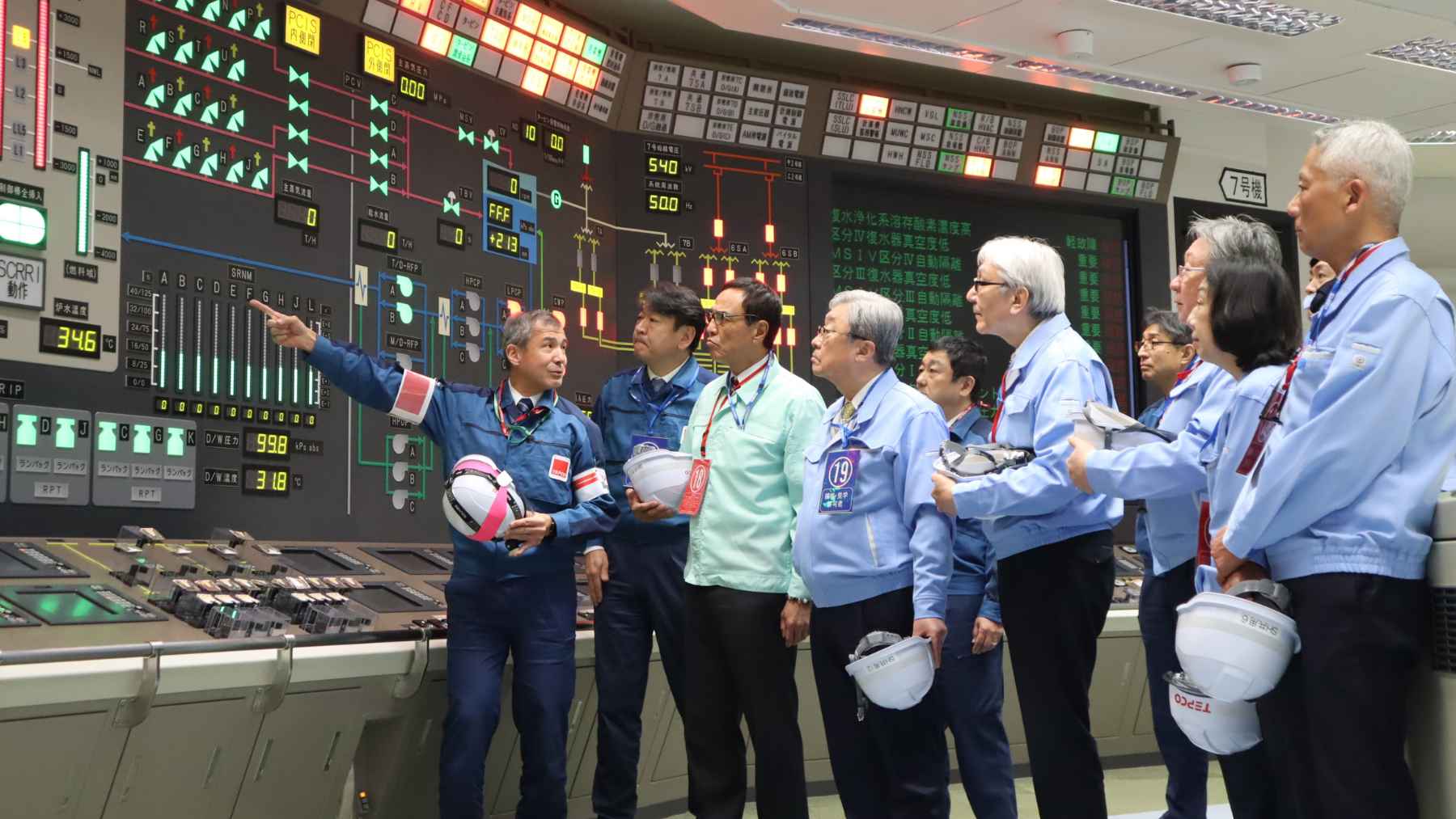
Engineers monitor systems inside the control room at the Kashiwazaki-Kariwa nuclear power station in Japan.
The January setback did not end the push
TEPCO first announced the startup of Unit 6 on January 21 after receiving approval from Japan’s Nuclear Regulation Authority for test use of the reactor.
The company said the control rods were withdrawn that evening to begin startup procedures. Then came the setback. A malfunction tied to the control rod operation monitoring system forced TEPCO to suspend the process in late January.
By February 9, TEPCO’s official photo archive showed Unit 6 entering reactor startup again. It is the sort of technical interruption that sounds minor on paper, but after Fukushima, even small alarms can carry outsized political weight.
Why this reactor matters for Japan’s power mix
Why does this reactor matter so much? Unit 6 alone has a capacity of about 1,360 megawatts. The U.S. Energy Information Administration said the restart would likely displace natural gas-fired generation, and noted that Japan now has 15 operating nuclear reactors with combined capacity of about 33 gigawatts.
In 2024, those operating reactors generated 83 terawatt-hours, or about 9 percent of Japan’s electricity.
In practical terms, that means nuclear is no longer a side issue in Japan’s power mix. It is back in the conversation in a serious way. And the broader energy picture is getting more crowded, with stories such as Unprecedented change in the energy industry.
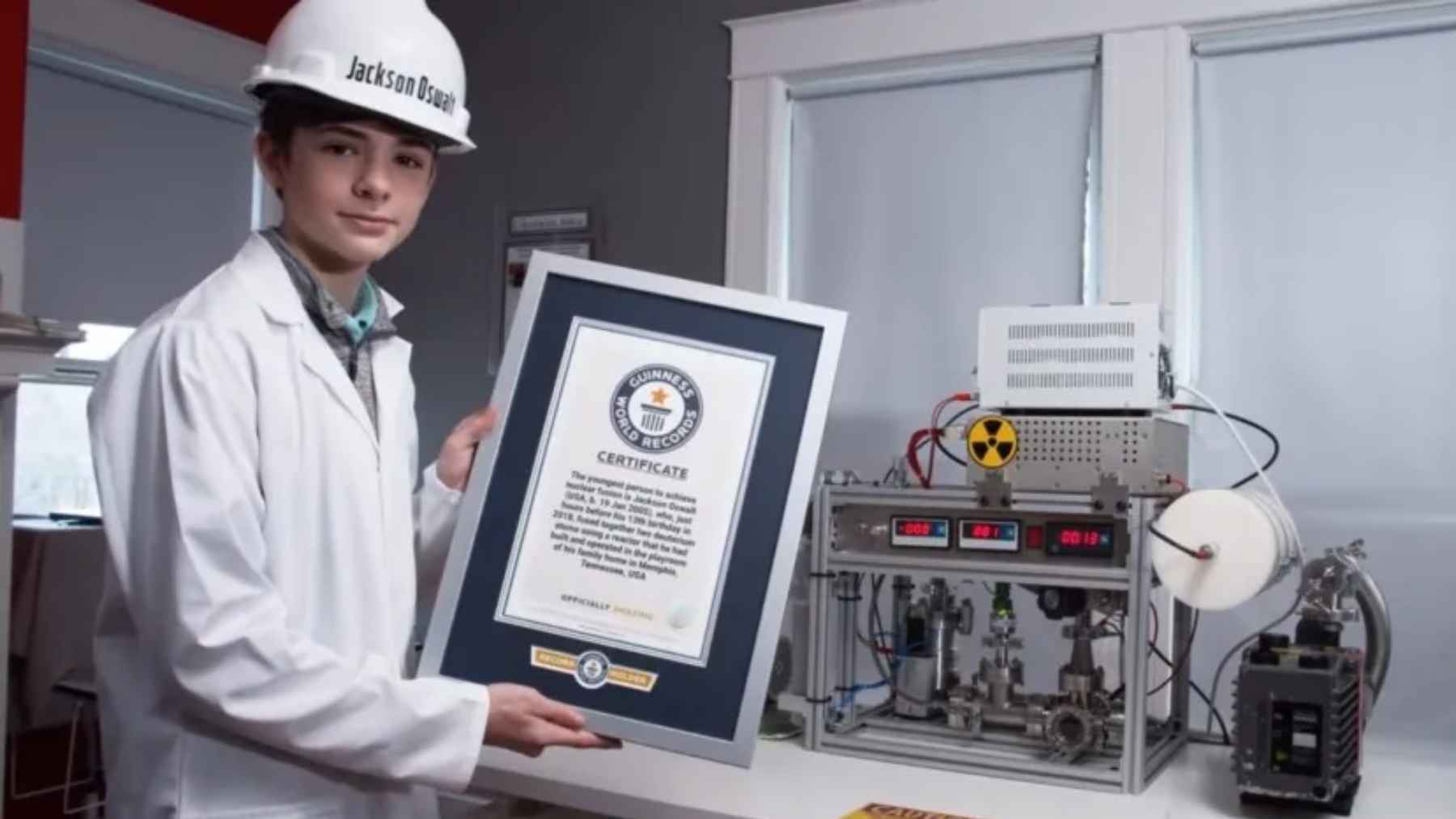
China has already created the first functional hydrogen battery and even He is 12 years old, builds a fusion reactor at home, and manages to detect real neutrons feeding public curiosity about what comes next.
Trust may be harder to restart than the reactor
Still, restarting a reactor is the easy part compared with restoring confidence. TEPCO itself said it would verify each facility carefully and address any issues that arise during the startup process.
That sounds prudent. But for the most part, the bigger question is whether careful technical steps can overcome years of public skepticism. And that question will linger long after the turbines begin to spin.
The official statement was published on TEPCO.