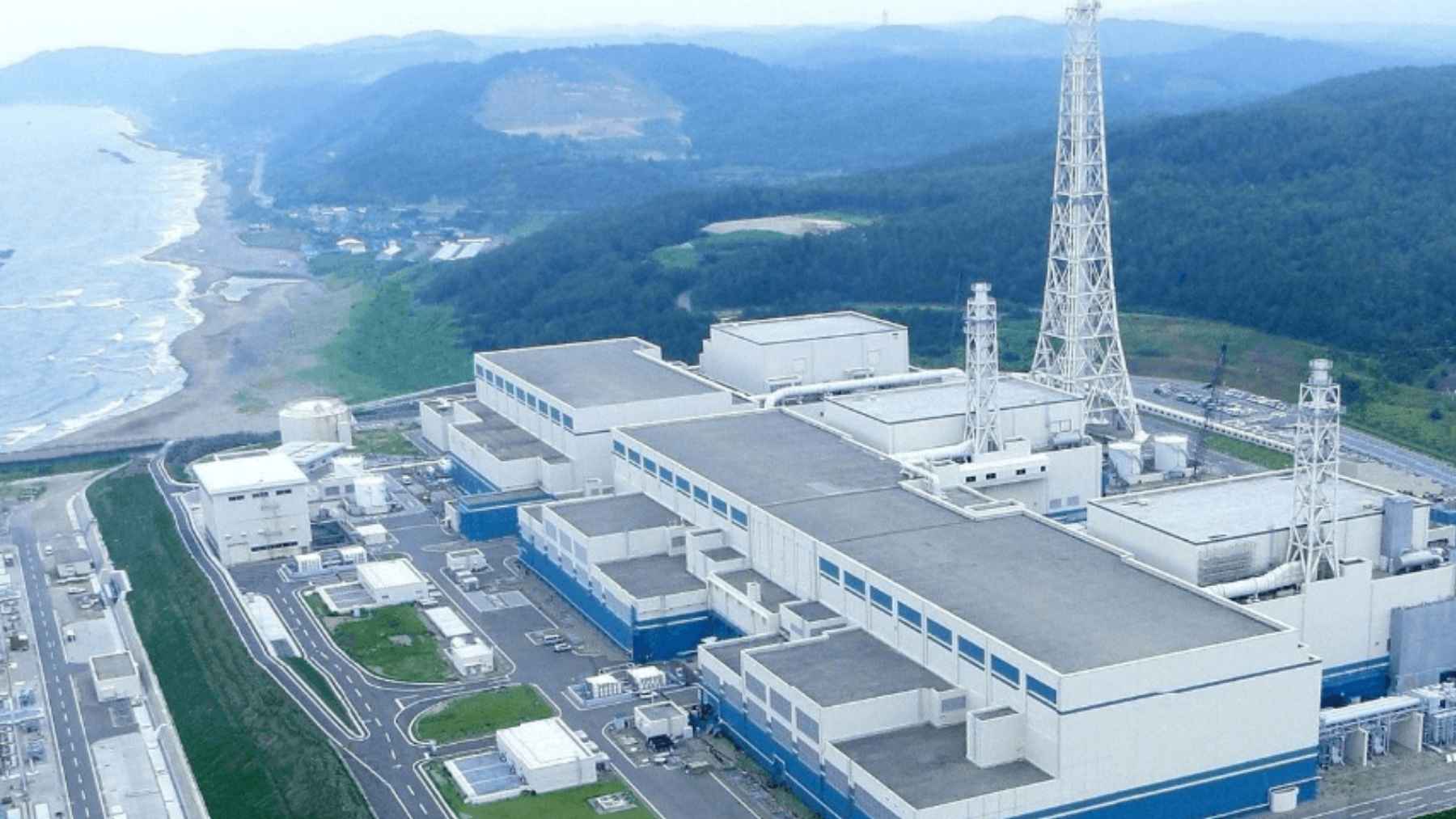
On February 6, Tokyo Electric Power said it would restart Unit 6 at Kashiwazaki-Kariwa on February 9, after a January alarm forced the company to halt its first attempt just hours after startup.
The timing matters. This is TEPCO’s first reactor restart since the 2011 Fukushima disaster, and Kashiwazaki-Kariwa is often described as the world’s largest nuclear power plant by installed capacity. When a site that big comes back, the story is never just about switches and valves. It is also about whether Japan believes the operator has learned enough from the past.
Why TEPCO’s failed alarm mattered after Fukushima
Why did a small alarm become such a big national story? Because small technical problems carry a very different weight after Fukushima. TEPCO’s January 21 announcement said Unit 6 had entered startup for the first time in about 14 years.
Then an alarm in a control rod motor control panel interrupted the process, and the company stopped the reactor on January 23 to investigate. TEPCO later said the control rod drive mechanism itself and the hydraulic unit showed no abnormality, and emergency shutdown capability remained available.
The official investigation released on February 6 pointed to an issue that was technical but telling. TEPCO said a non-safety detection function in the inverter settings interpreted a normal delay in current rise as a fault, which triggered the alarm.
The company then disabled that setting across all control rod drive inverters and checked current behavior one rod at a time before moving ahead. In practical terms, that means the delay came from configuration, not from damage to the core equipment itself.
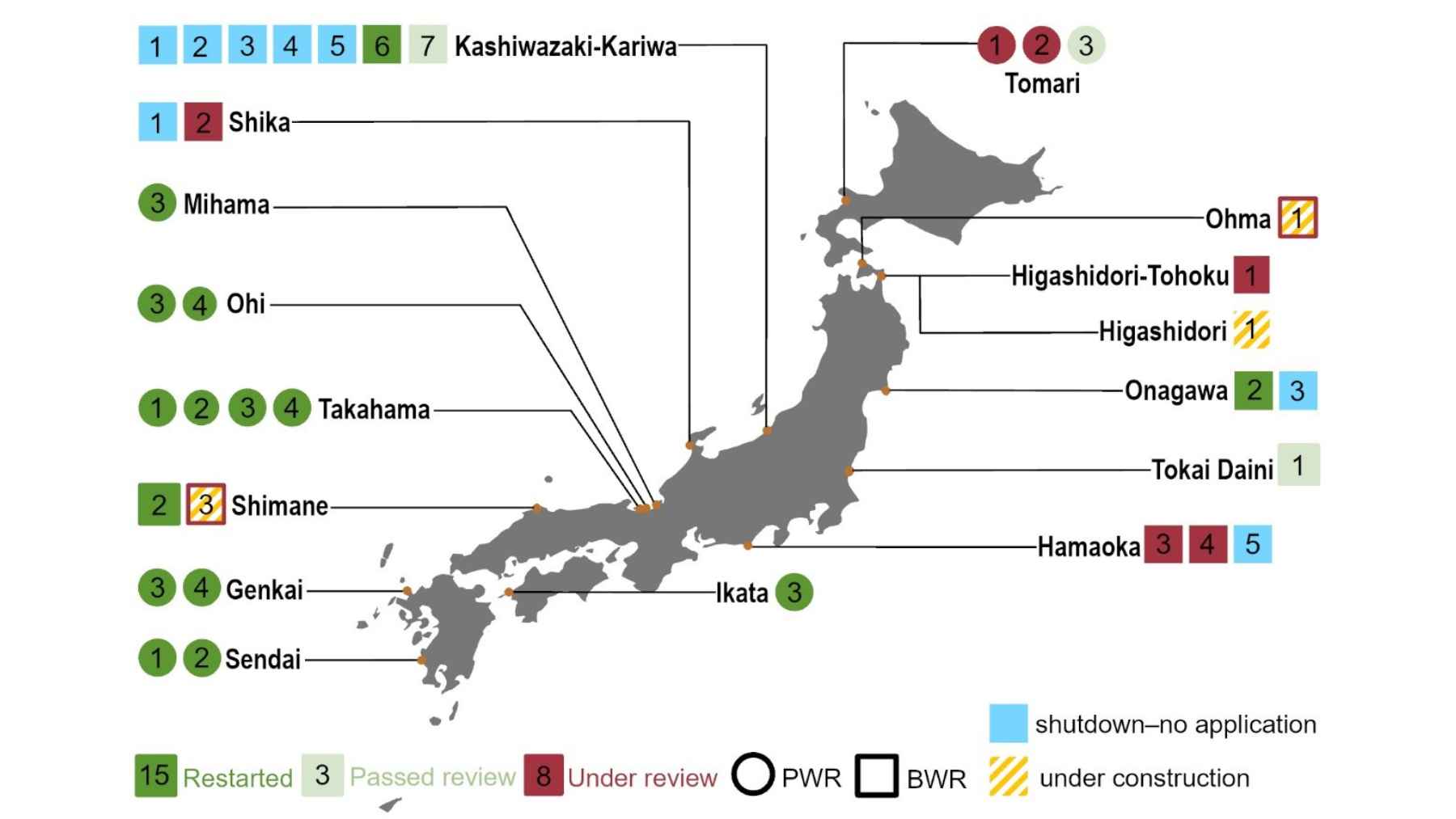
A map of Japan’s nuclear fleet shows which reactors are operating, under review, or shut down as Kashiwazaki Kariwa moves toward restart.
Why the Kashiwazaki-Kariwa restart matters for Japan’s energy business
The business stakes are huge. Kashiwazaki-Kariwa has seven reactors and total output of 8.212 gigawatts, while Unit 6 alone has a gross capacity of 1,356 megawatts. Reuters reported that TEPCO shares jumped 7.1% on the day the company laid out its Feb. 9 restart plan, and that 14 of Japan’s 33 operable reactors have restarted since Fukushima.
That says a lot. Investors see nuclear restarts as a serious earnings and energy security story, not just a regulatory milestone. For households and industry, lower dependence on imported fossil fuels could eventually matter where it always does: on the electric bill and on operating costs.
TEPCO’s own Kashiwazaki-Kariwa information portal later confirmed that control rods were withdrawn again at 2 p.m. on Feb. 9 and that Unit 6 resumed startup under actual steam conditions. Still, the bigger takeaway is hard to miss. Japan can restart reactors. The harder part is rebuilding credibility one careful step at a time.
The official update was published on TEPCO’s Kashiwazaki-Kariwa.