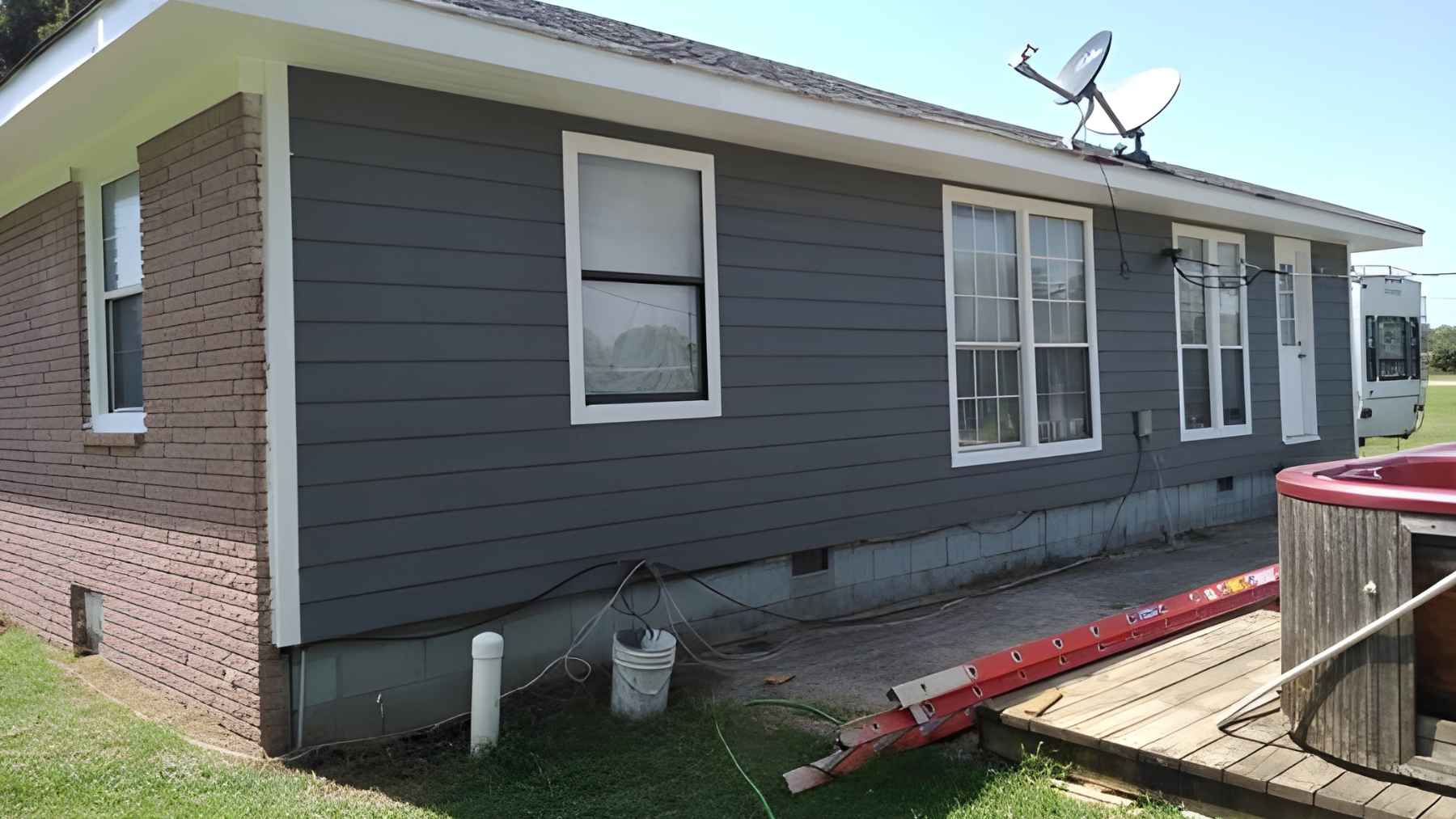
A homeowner in Americus, Georgia, says she paid $18,000 for a new driveway and a home addition, only to watch the driveway crack, the addition stall, and the contractor eventually stop showing up, according to a report by WALB.
It sounds like a local dispute. But the bigger takeaway is national, because the same ingredients that make remodeling a booming business also make it a magnet for costly mistakes and outright scams.
What happened in Americus
Stacy Adams told the station she has lived in her home for 26 years and had been remodeling it to make it feel new again. The plan included a driveway and a home addition to expand her bathroom and bedroom, and she said she paid in increments rather than all at once.
Then the warning signs piled up. She said the driveway began cracking soon after it was finished, the addition never got completed, and after months of promises the contractor stopped showing up.
Nearly a year later, Adams said she was still trying to recover her money and was considering legal action. The hard part is that a half-finished project is not just a line item – it is something you live with every day.
Why this problem keeps showing up
Home improvement spending stays high largely because Americans are choosing to fix what they have instead of moving. The Joint Center for Housing Studies of Harvard University has pointed to that steady demand, even as the pace of growth can cool and reheat from year to year.
That demand creates an opening for small operators who are legitimate but overwhelmed, and for others who are not legitimate at all. When a job gets more complicated than expected, timelines slip, crews vanish, and homeowners can get pushed into paying more just to keep the project alive.
National reporting data suggests the broader fraud environment is not small, either. The Federal Trade Commission’s Consumer Sentinel Network Data Book 2024 logged 6.5 million consumer reports in 2024 across fraud, identity theft, and other problems – a reminder that households are dealing with scams in more places than they used to.
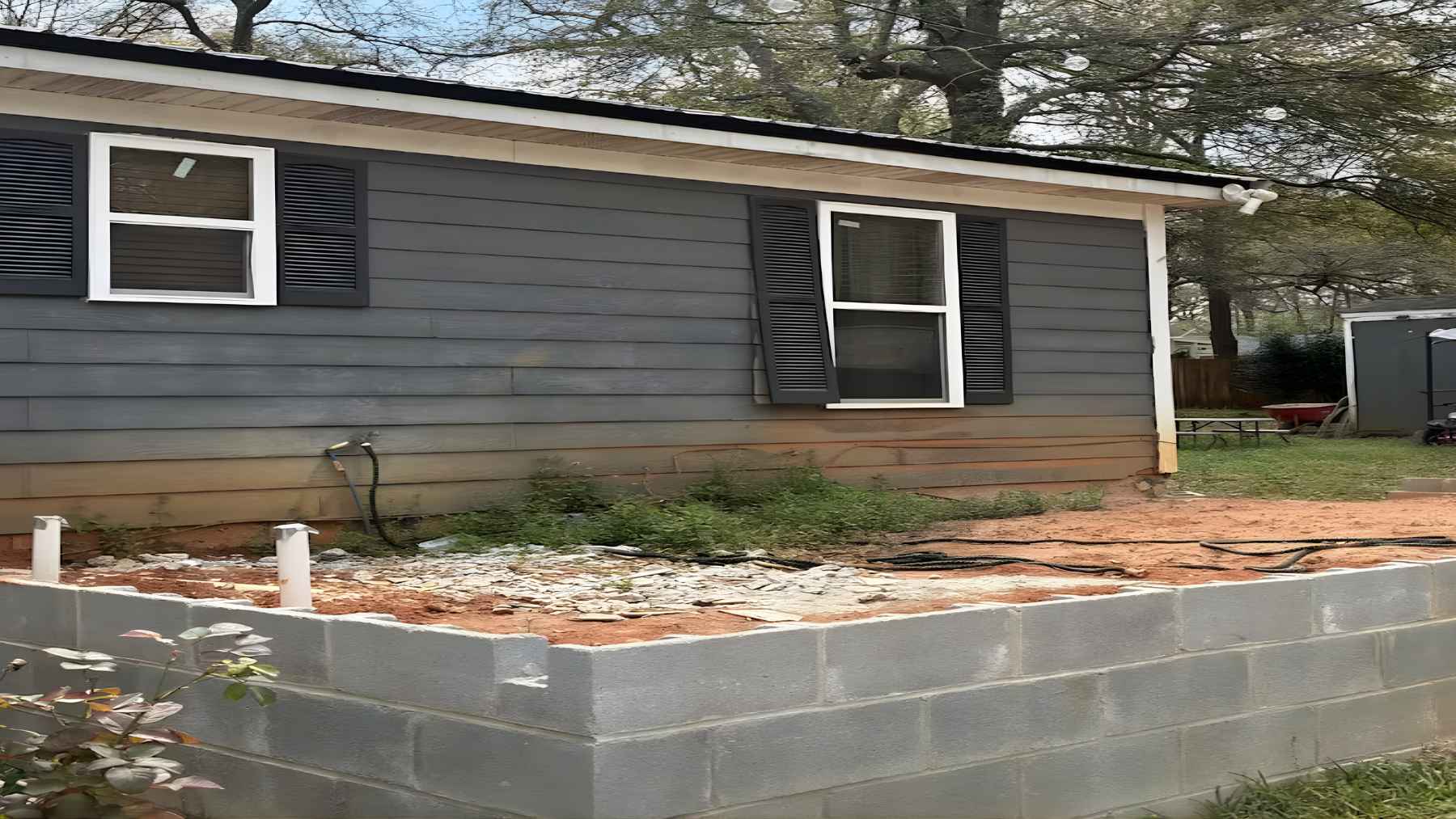
A failed home renovation left a homeowner with a cracked driveway and an unfinished addition after a contractor stopped showing up.
The paperwork trap that homeowners fall into
In Adams’s case, she said code enforcement told her the license she was given might not be valid and that the department had no record of a license or permit for the property. That detail matters, because permits are often the paper trail that proves what was approved, when inspections happened, and whether the job meets local requirements.
Georgia has a straightforward explanation of how homeowners can protect themselves before work begins. The state’s Consumer Ed guidance says consumers can verify licenses and points them toward the state’s licensing resources.
In practical terms, that means using the Georgia Secretary of State license verification tool and also confirming permits with the local building department. It is not fun, but neither is staring at a cracked driveway and a room addition that never turns into a real room.
Why the legal path can feel unsatisfying
Attorney Del Percilla told WALB that many people seek legal advice after projects go wrong, and he warned that the options can be limited. His point was blunt: even if you win a judgment, it may be worthless if the contractor has no money to pay.
That reality is why prevention matters more than the courtroom drama most people imagine. If the contractor cannot afford to finish the job, they often cannot afford to make you whole after the fact.
This is also why payment leverage matters. Once a large share of the money is gone, the homeowner’s main tool is gone too, and the project can turn into a slow, stressful chase.
A safer way to pay before the work begins
A good first step is to follow the common consumer advice: avoid paying everything upfront and be wary of high-pressure tactics. The FTC’s guidance on how to avoid a home improvement scam highlights warning signs like contractors who pressure you for immediate decisions, ask for full payment upfront, or insist on cash-only arrangements.
It also helps to treat the contract like a checklist, not a formality. A written agreement that spells out milestones, materials, inspection steps, and payment timing makes it easier to stop payment before you are out of options.
If you are doing this in a family situation involving an older homeowner, the stakes can climb fast. That is why stories like Indux’s reporting on a dementia-related consumer-finance dispute resonate with so many readers, because a fast transaction can become a long recovery.
What to do if the work is already stuck
If a project has stalled, documentation becomes your best friend. Save texts, emails, receipts, photos, and any written promises, because memories fade and disputes get fuzzy when months pass.
You can also look at broader scam data to understand patterns and pressure points. The Better Business Bureau’s BBB Scam Tracker Risk Report has repeatedly flagged home improvement schemes as a recurring problem area, and that kind of context can help consumers recognize how common the tactics really are.
Finally, remember that fraud is not limited to one channel. Indux reporting on check fraud spreading through the mail system shows how quickly a routine payment can become a costly surprise, which is why homeowners should be cautious about how they pay and how they document every transfer.
The press release was published on the Office of the Attorney General.