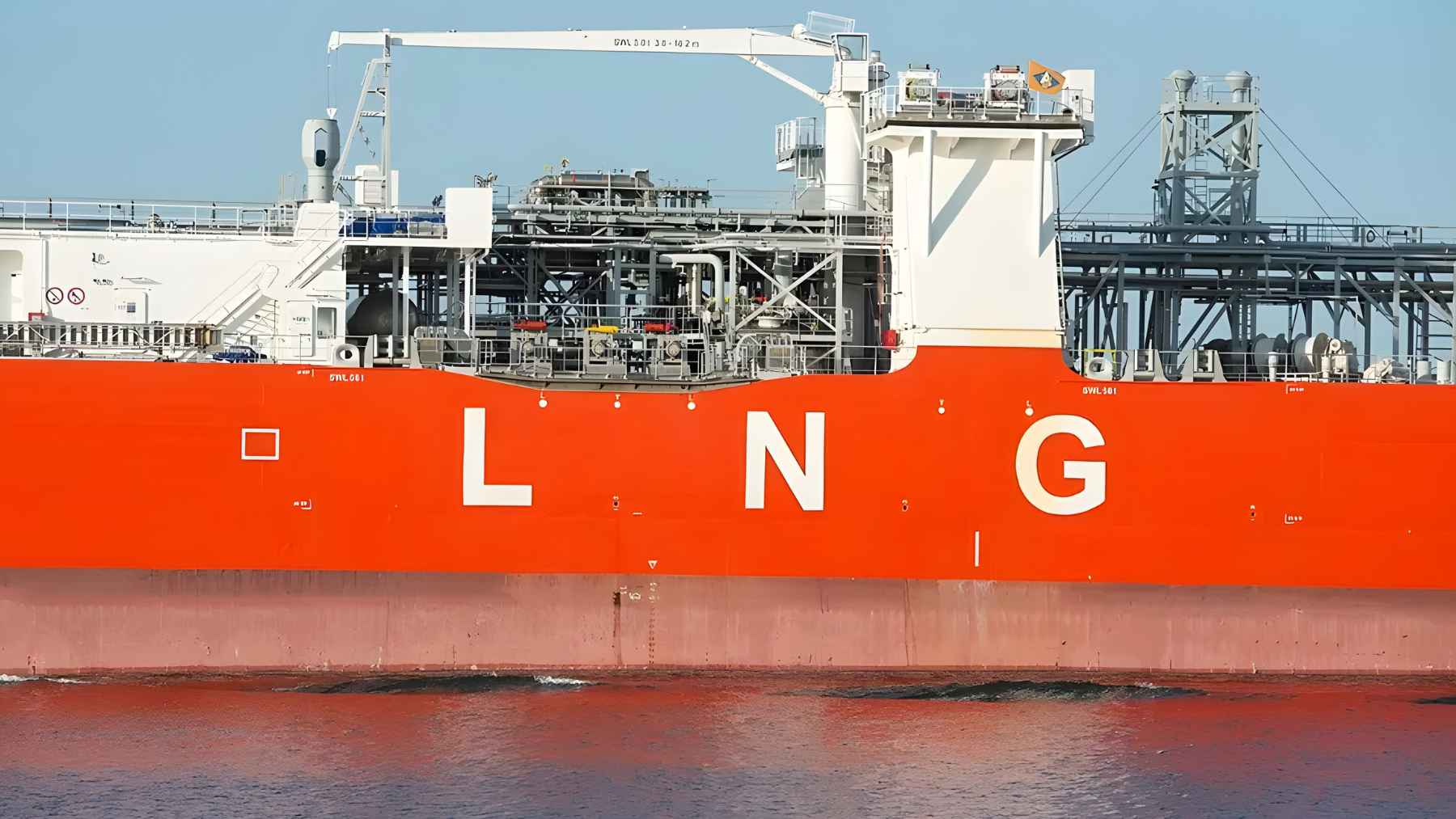
Iranian missile strikes have damaged key liquefied natural gas (LNG) infrastructure in Qatar, taking about 12.8 million metric tons per year of export capacity offline and forcing the country’s state energy champion to warn customers that disruptions could last three to five years.
QatarEnergy CEO Saad al-Kaabi told Reuters the hit equals roughly 17% of Qatar’s LNG output and could erase around $20 billion in annual revenue, with knock-on effects for Europe and Asia.
The bigger takeaway is not just the missing cargoes. It’s the sudden reminder that Gulf gas, long treated as “reliable baseload” for the global economy, is also a frontline asset. When LNG trains go dark, the ripple runs from utility bills in Italy to chip fabs in South Korea, and it can linger for years.
A long outage from a short attack
Kaabi said two of Qatar’s 14 LNG trains and one of its two gas-to-liquids facilities were damaged in what Reuters described as unprecedented strikes, with repairs likely to sideline capacity for three to five years.
That puts 12.8 million tons per year of LNG offline, at least on current estimates, and requires QatarEnergy to declare force majeure on affected long-term contracts.
Force majeure is the legal “escape hatch” in supply contracts, used when events outside a company’s control make deliveries impossible. It is rare in LNG because the industry is built on decades-long stability, which is exactly why buyers notice when the clause gets pulled.
Europe and Asia lose a key safety valve
Qatar is the world’s largest LNG exporter and a core swing supplier when winter demand spikes or pipeline flows wobble. Reuters has described Ras Laffan as a site that processes and exports about 20% of global LNG supply, and Europe and Asia both lean on those cargoes when power demand rises and storage tanks start to look thin.
In the near term, buyers with Qatari exposure will try to reshuffle cargoes, burn more coal or fuel oil, or outbid rivals for U.S. and Australian LNG. But with Norway and the United States showing limited short-term spare capacity, the market may end up doing what it always does in a pinch. Prices rise until demand breaks.
The overlooked shock is the stuff around LNG
QatarEnergy’s CEO also warned the damage hits more than LNG. Condensate exports could fall about 24%, liquefied petroleum gas about 13%, helium about 14%, and naphtha and sulfur about 6%, according to the figures he provided.
That mix matters in everyday life. LPG is the fuel behind countless restaurant kitchens across South Asia, while helium is a quiet enabler for high-tech manufacturing and medical imaging. When those byproducts tighten, industries feel it in places far from the Gulf, sometimes with no clear headline telling them why.
Corporate stakes and a delayed expansion
ExxonMobil holds stakes in the damaged LNG trains, while Shell is a partner in the gas-to-liquids unit, Kaabi said, underlining how international majors remain deeply exposed to Gulf infrastructure even as they diversify portfolios.
He estimated the damaged units cost about $26 billion to build, which helps explain why timelines stretch into years rather than months.
The attacks also risk slowing Qatar’s North Field expansion, one of the most important growth projects in the global gas market. Kaabi said no work is currently taking place and delays could extend beyond a year, a concern for governments and utilities that were counting on future Qatari volumes to keep supply comfortable later this decade.
What buyers and policymakers should watch next
The first signal will be how long force majeure lasts on specific contracts, especially those tied to Italy, Belgium, South Korea, and China. The second will be whether insurers, shippers, and traders start pricing the Gulf as a higher-risk corridor, which could add a permanent “conflict premium” to LNG even after repairs begin.
There is also a political lesson hiding in the operational details. Energy facilities are increasingly treated as strategic leverage, but they are also shared arteries for the global economy. When they get hit, everyone pays, and not just in the oil market.
The official statement was published on the Qatar News Agency.