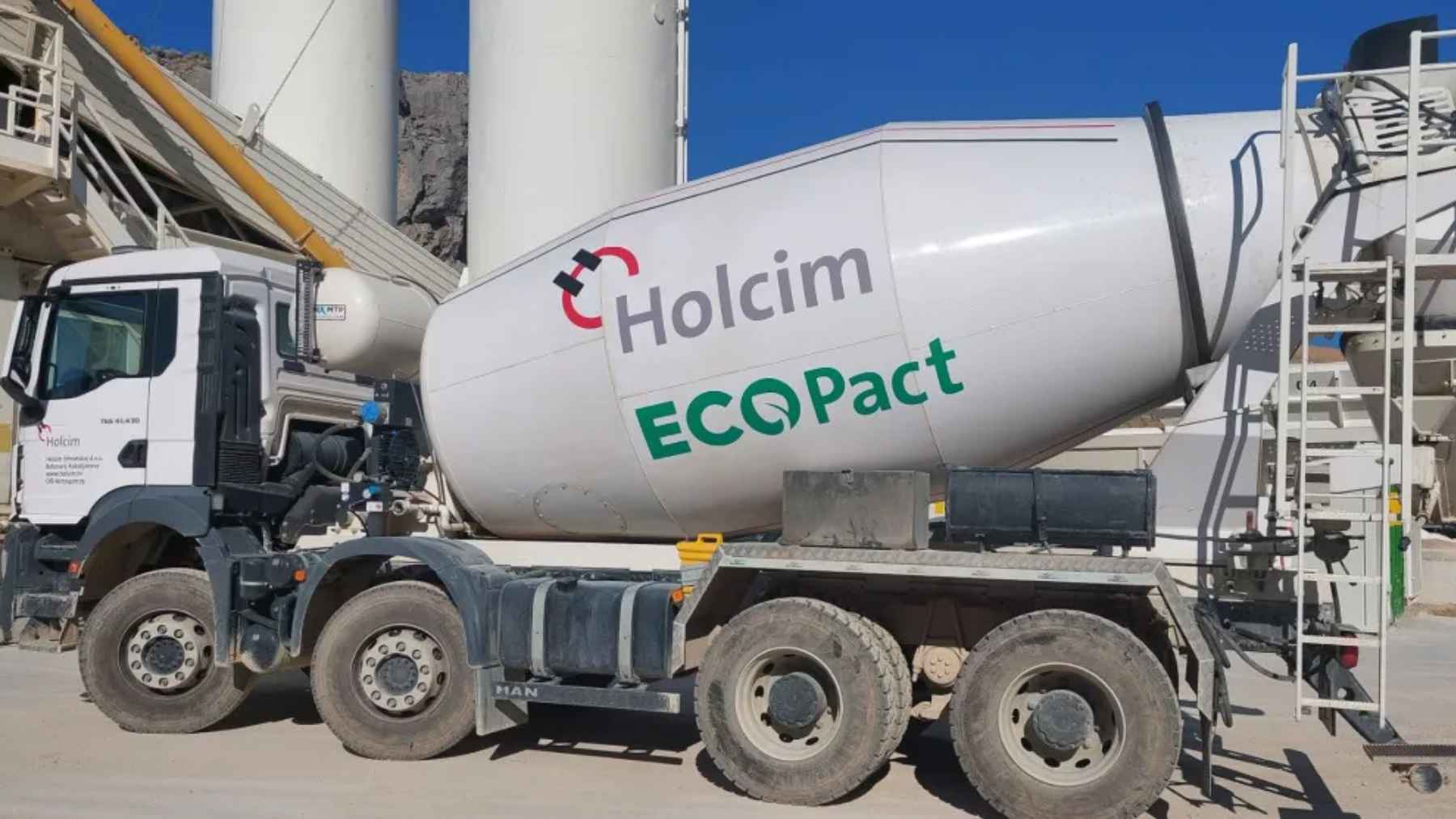
Holcim is gearing up for another busy year of dealmaking. Chief executive Miljan Gutovic told Reuters the Swiss building materials group expects to make around 15 acquisitions in 2026, keeping up the pace of a strategy built on steady, smaller purchases while staying alert to bigger consolidation moves in Europe.
This is not just a corporate scavenger hunt for growth. Holcim is trying to position itself for a construction market where carbon costs, recycling rules, and tighter budgets increasingly shape what gets built and how it gets built. In a sector that helps generate around 7% of global and 4% of EU CO2 emissions, the push to cut emissions is becoming a business model, not a slogan.
A deal machine, again
Gutovic said Holcim has “a healthy pipeline” and expects to land roughly 15 deals this year, with targets in cement, aggregates, recycling of construction-demolition materials, and building solutions such as roofing, mortars, and walling products.
Holcim announced 15 acquisitions in 2025, and Gutovic later said the group bought 18 companies that year, a sign the pace has held up across reporting periods.
The company is also reshaping itself after separating its North American business into Amrize. Holcim completed that 100% spin-off in June 2025 through a dividend-in-kind distribution of one Amrize share for each Holcim share.
Still, the expansion comes with boundaries. Gutovic told Reuters Holcim is not looking to enter new regions, and he pointed to recent pruning moves, including divestments in Jordan and Lebanon. In other words, it wants depth, not a bigger world map.
Recycling is the prize
Why is a cement giant so interested in old concrete and rubble? Because the “waste” pile is enormous, and it is still underused as a resource. EU-focused research notes that construction and demolition waste accounts for roughly 25% to 30% of all EU waste, while average recovery rates across the EU are about 50%, even though some countries do far better.
Holcim is already trying to scale this into a meaningful line of business. In its 2025 Sustainability Statement, the company said it increased construction-demolition materials integrated into its products from 6.5 million to 8.0 million tons, and it described a 23.5% rise in recycled construction-demolition materials to 8 million tons in 2025.
It also laid out a target to recycle more than 20 million tons a year by 2030, alongside a push to expand circular construction using advanced processing and more digital tools, including AI.
Deals are part of that ramp-up. In a December 2025 media release, Holcim said three recycling acquisitions in the UK, Germany, and France added combined annual permitted processing capacity of around 1.3 million tons, tied directly to the 2030 recycling target.
Gutovic said the future of construction is “circular,” and these transactions are meant to turn that line into an operating reality.
Cement has to decarbonize, and that costs money
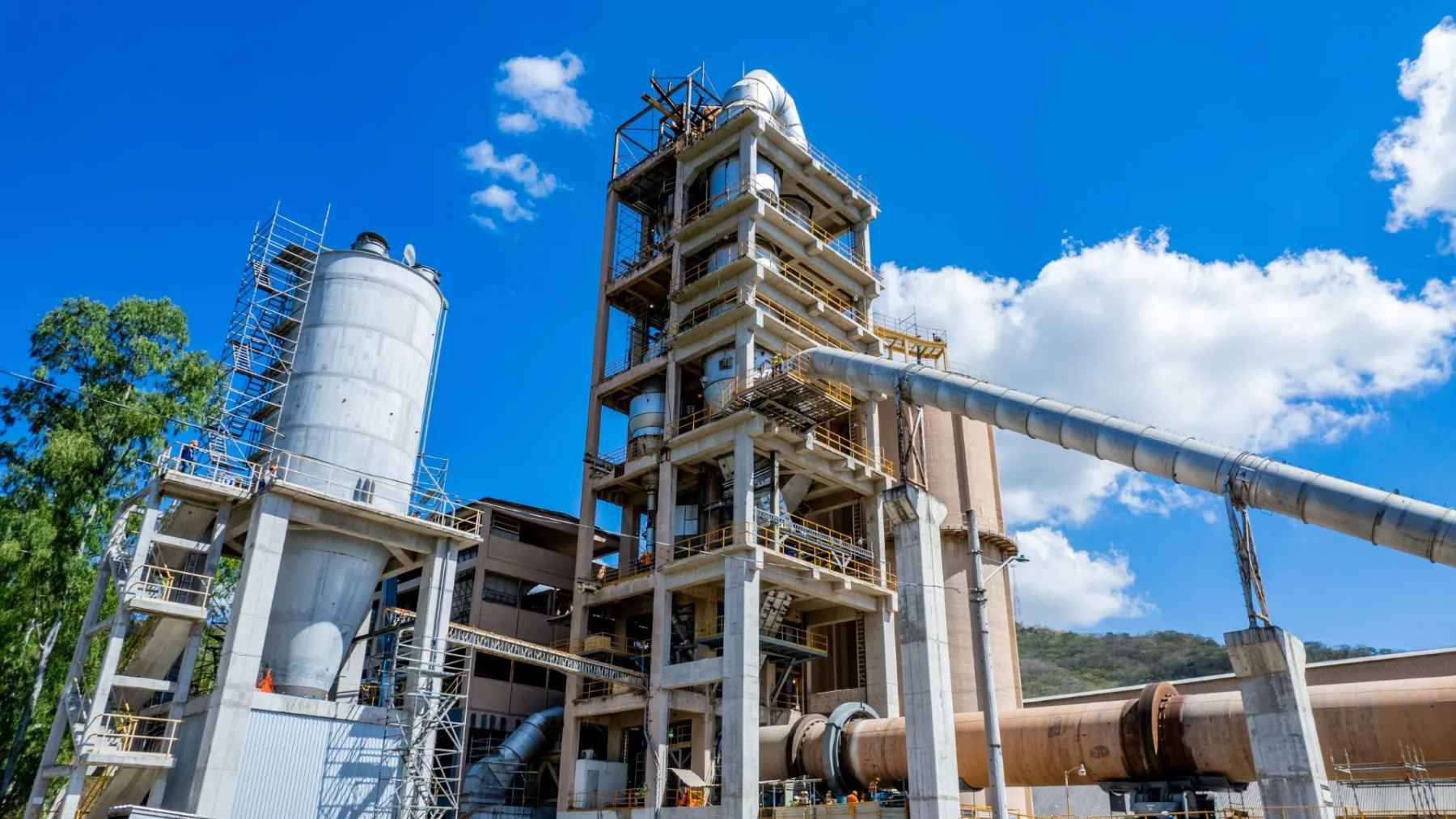
Cement is not an easy industry to clean up. A Joint Research Centre report for the European Commission describes cement as responsible for around 7% of global and 4% of EU CO2 emissions, and it highlights why the transition is so expensive.
The same report also points to a hard truth that often gets lost in glossy climate pledges. Carbon capture and storage is “deemed unavoidable” for deep decarbonization because cement-making has process emissions that are inherent to how clinker is produced, even before you count fuel and electricity.
That helps explain why consolidation keeps coming up in Holcim’s messaging. Gutovic told Reuters Holcim expects consolidation in European construction materials as smaller players struggle to fund sustainability investments, and Holcim wants to be part of that wave rather than watch it from the sidelines.
What to watch next
Holcim’s pitch is not only about buying more plants or quarries. Gutovic said acquisitions support faster growth and make it easier to cross-sell, and he described the goal of selling a package of construction materials as a “system” to builders, which can lift profitability.
If you have ever managed a renovation or watched a street get torn up and rebuilt, you know how many suppliers touch a single job.
The strategy also comes with obvious questions. Can Holcim integrate a long list of small deals without creating a messy patchwork of sites, brands, and IT systems, and will regulators get more cautious if national markets start looking too concentrated? And if Holcim does pursue a larger “transformational” acquisition, the financing may be available, but the execution risk climbs fast.
For now, the takeaway is straightforward. Holcim is treating circular construction and higher-value building solutions as a growth engine, with M&A as the accelerator, and it is trying to lock in feedstock and customers before Europe’s decarbonization bill comes due for everyone else.
The official statement was published on Holcim.