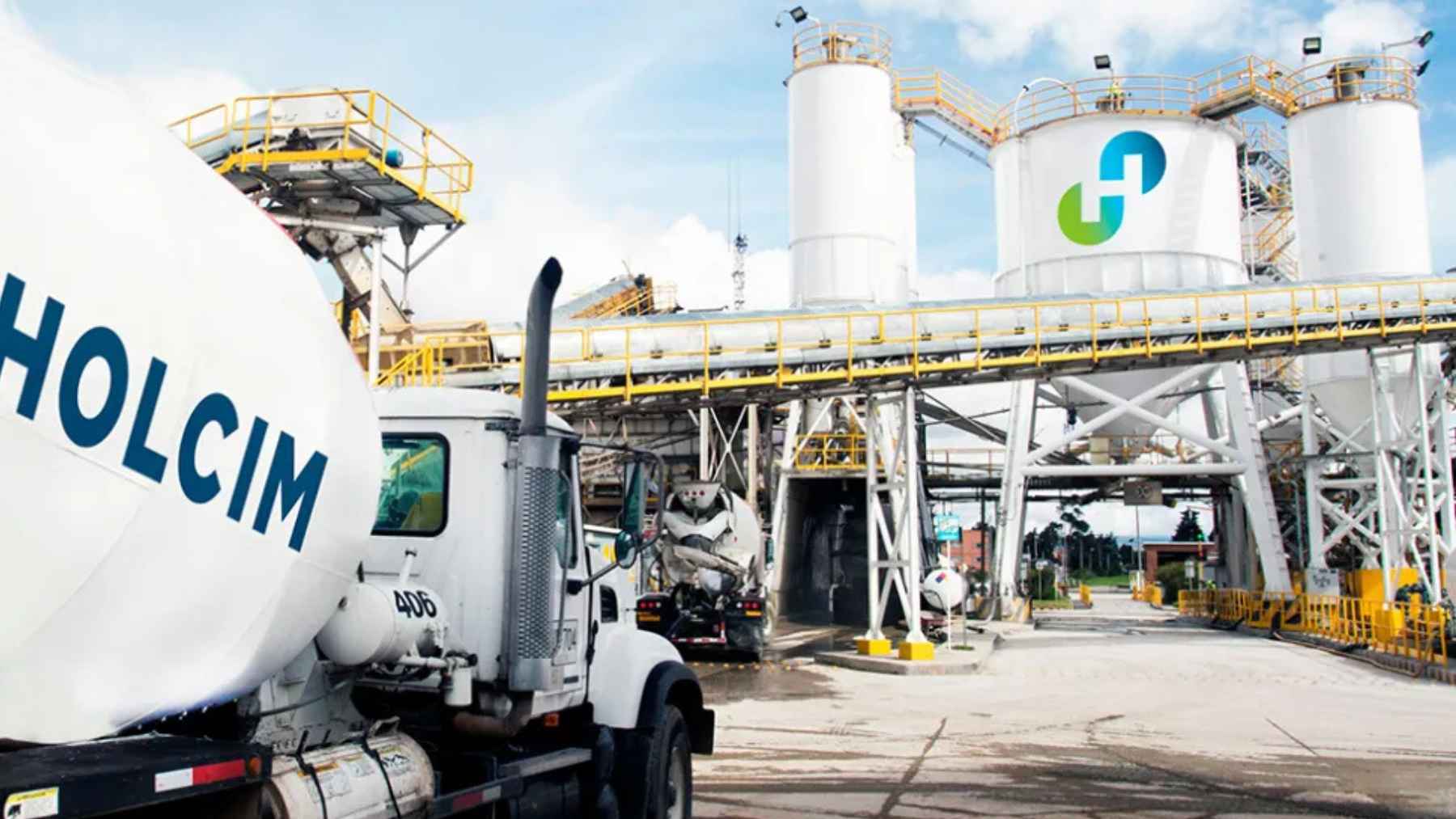
If you have noticed more road work, bridge repairs, and tunnel projects popping up, Holcim thinks that trend is about to matter even more.
The Swiss building materials group is guiding for 2026 organic net sales growth of 3% to 5%, leaning on higher global infrastructure spending and a steadier housing outlook. Why does a cement company sound so upbeat right now?
But the headline numbers can still be tricky to read because Holcim reports in Swiss francs. In the fourth quarter of 2025, reported sales fell 4.8% to CHF 3.818 billion, even though sales rose 3.4% in local currencies, which strips out exchange-rate moves.
A bigger 2026 target comes into view
CEO Miljan Gutovic told reporters that “I’m very optimistic about 2026” and said Holcim is seeing “good momentum in construction activities in all our key markets.” The company is targeting 8% to 10% organic growth in recurring EBIT for 2026, alongside another increase in its recurring EBIT margin.
That confidence is built on a decent base year. Holcim reported full-year 2025 net sales of CHF 15.724 billion (about $17.5 billion) and an industry-leading recurring EBIT margin of 18.3%, helped by cost discipline and a higher share of sustainable products.
Europe’s mix of stimulus and permits
In Europe, Gutovic pointed to strong infrastructure activity and a pickup in residential building permits in Germany and France. After a slow stretch for homebuilding, permits are one of the earliest signs that contractors are preparing for a busier pipeline.
Germany’s 500 billion euro stimulus package could add another boost, although Holcim expects the bigger impact in the second half of 2026. That timing is worth watching because public money tends to arrive in waves, and anyone stuck behind orange cones knows projects do not start the same week politicians announce them.
Latin America and Australia keep the engine running
Holcim also sees a “good pipeline” in Mexico and remains positive on housing demand there, even as it keeps an eye on the usual inflation and currency swings that come with the region. In its full-year update, the company said Latin America delivered double-digit net sales growth in local currency in 2025 and kept a recurring EBIT margin above 30%.
Australia is another bright spot, with Holcim citing a positive outlook and work tied to a major road project in Queensland that Reuters described as the “Rocky Ring Road.” It is the kind of long-duration public job that can stabilize volumes, even when private construction swings with interest rates.
The Swiss franc effect is not just accounting
Holcim’s fourth-quarter results show why global companies can look weaker on paper than they are in practice. The company said currency moves reduced reported sales by CHF 206 million and reduced operating profit by CHF 41 million as the franc strengthened against major currencies including the Argentinian peso, the U.S. dollar, the British pound, and the euro.
On a local-currency basis, the same quarter looked healthier, with recurring EBIT rising 12.2% to CHF 601 million. If you have ever booked a trip and watched your budget shrink after a bad exchange rate, you already understand the basic problem.
Acquisitions and low-carbon materials are part of the strategy
Holcim is not relying only on macro tailwinds. It completed 21 transactions in 2025, including 18 acquisitions, and it has signed agreements to acquire Xella in Europe and to take a majority stake in Peru’s Cementos Pacasmayo, both subject to regulatory approvals and expected to close in 2026.
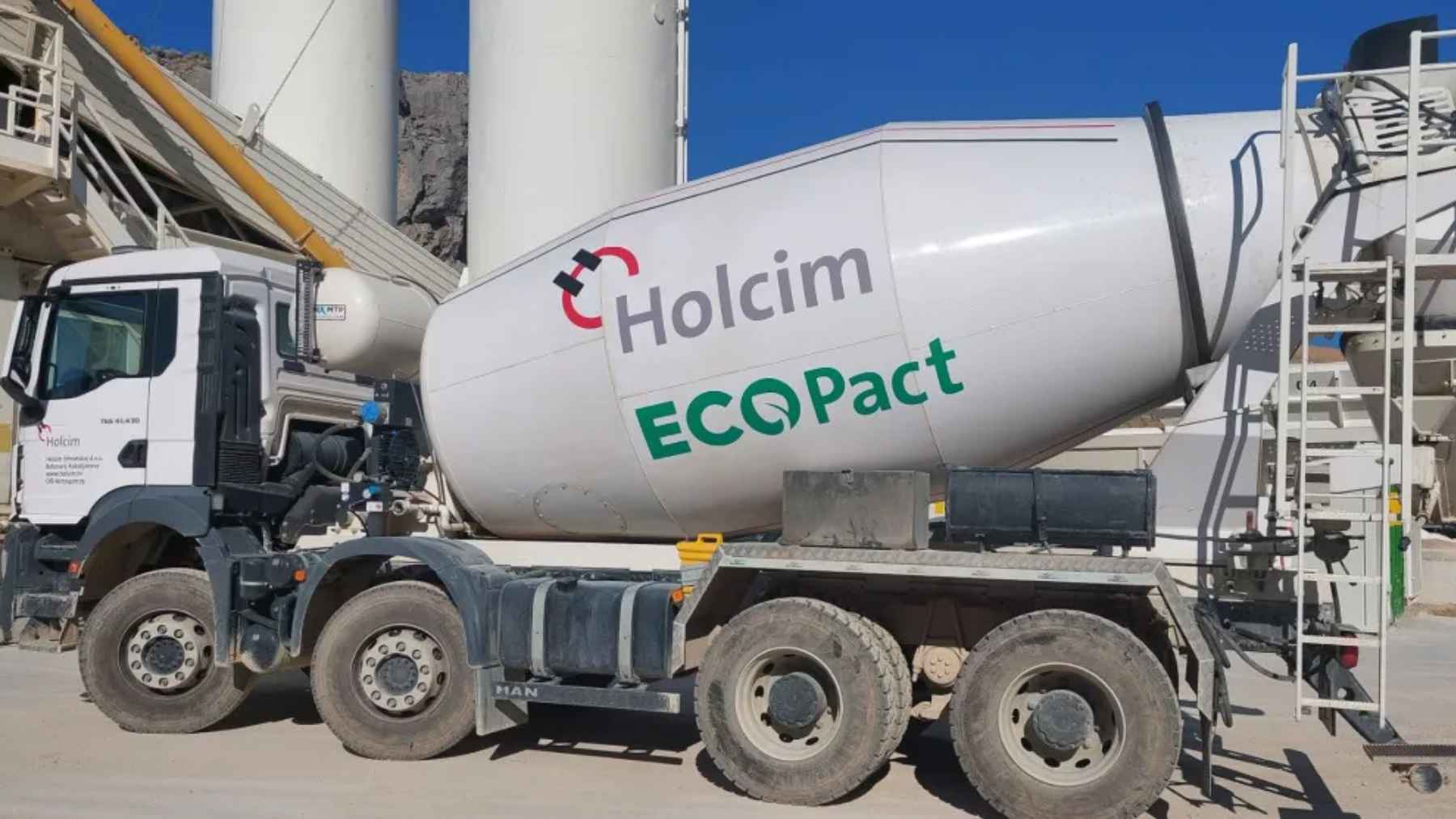
It is also trying to make decarbonization pay for itself. Holcim said low-carbon ECOPact concrete accounted for 31% of its ready-mix net sales in 2025, ECOPlanet reached 36% of cement net sales, and recycled construction-demolition materials rose 23.5% to 8.0 million tons.
What investors should keep in mind next
Holcim’s 2026 outlook is basically a bet that infrastructure spending and a cautious housing recovery will outweigh currency noise and the normal ups and downs of construction.
It is also betting it can keep turning that demand into cash, with guidance calling for free cash flow of around CHF 2 billion in 2026.
Still, the risks are familiar ones. Watch the pace of Europe’s project starts, the integration of new acquisitions, and whether the Swiss franc stays strong enough to keep distorting reported growth.
The press release was published on Holcim.