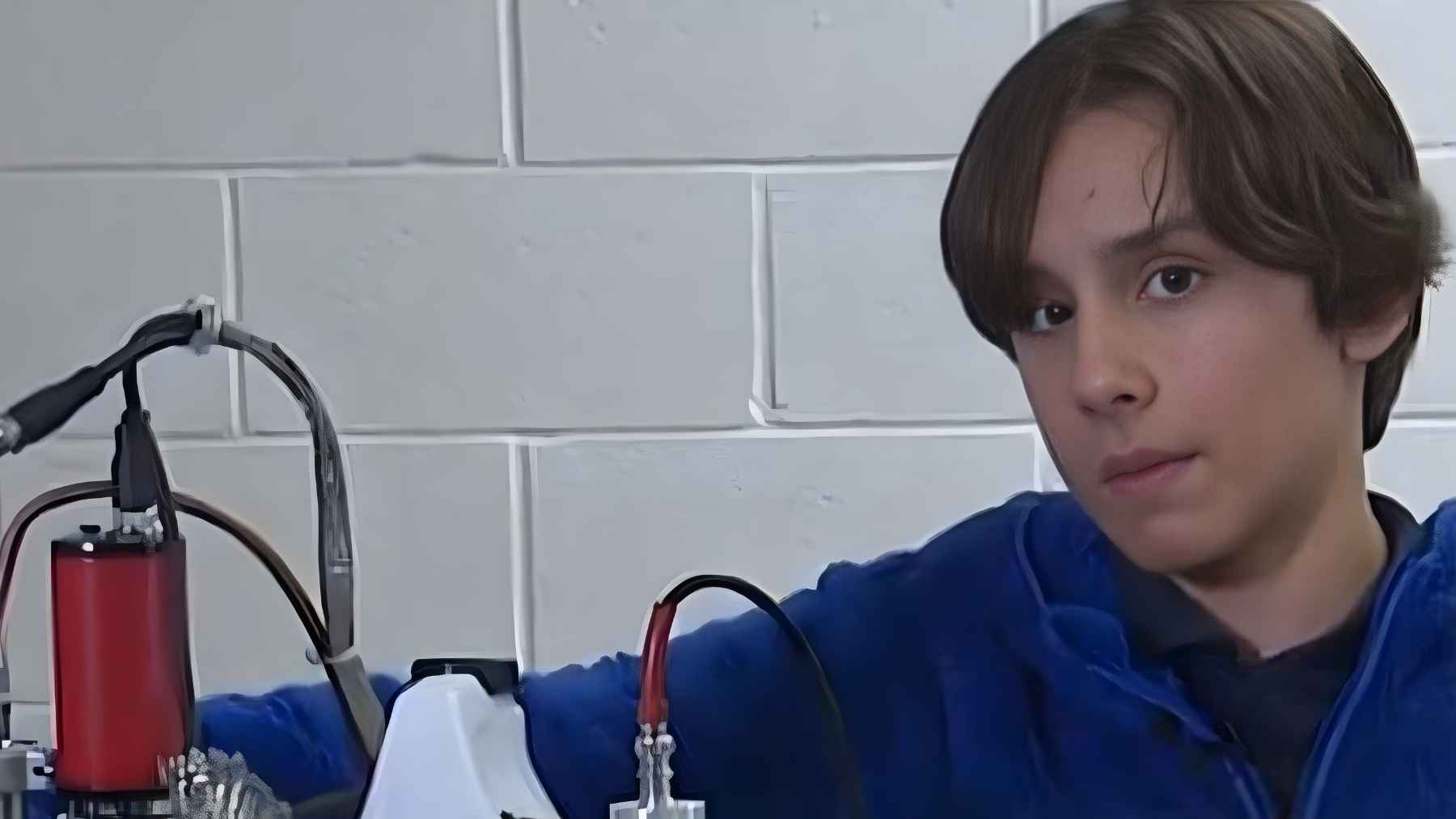
Aiden McMillan, a Dallas seventh grader who says he achieved nuclear fusion at age 12, is drawing national attention after his homebuilt device produced measurable neutrons and triggered a Guinness World Records application.
The feat is rare on its own. It also arrives as fusion, the same basic process that powers the Sun, is being watched as one of the world’s most ambitious low-carbon technologies, even though it is still far from powering homes or businesses at scale.
Why fusion gets so much attention
What does one middle school science project have to do with ecology and the energy business? Quite a bit, actually.
The U.S. Department of Energy says fusion could become an on-demand source of abundant energy with zero carbon emissions, while the International Atomic Energy Agency says the fusion process itself produces no CO2 or other harmful atmospheric emissions. That is why governments, researchers, and investors keep chasing it.
McMillan began the project around age 8 and spent years teaching himself nuclear physics, vacuum systems, and high-voltage basics before the machine began to work. NBC DFW reported that safety concerns at home were a major hurdle, and that his family wanted proof he understood the risks before he moved ahead.
His work also helped inspire Launchpad, a nonprofit makerspace in West Dallas that NBC said was created in part to support ambitious student projects like his. When the device finally produced neutrons, he knew he had crossed a real scientific threshold. His reaction said it all. “We got neutrons, yeah!”
A record chase and a reality check
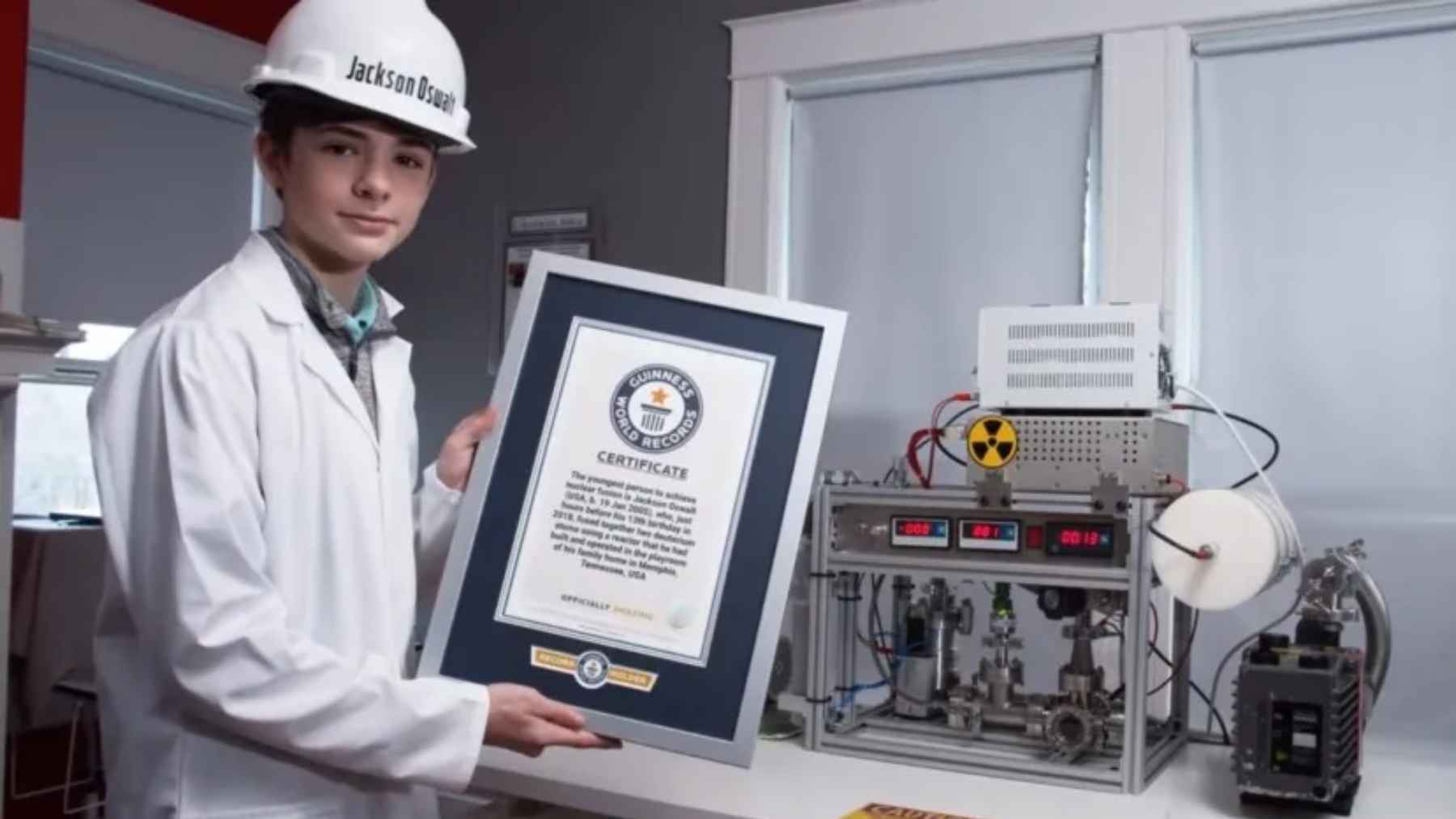
There is, of course, a reality check. The current Guinness title still belongs to Jackson Oswalt, who achieved fusion just before turning 13 in January 2018, and McMillan’s application remains under review.
Also, this is not a machine that will keep the AC running through sticky summer heat or trim anyone’s electric bill next month. It is a small-scale demonstration, not a commercial reactor. DOE says major gaps remain in areas such as materials, fuel cycles, and plant engineering before fusion can move to wider energy use.
Still, the broader signal is hard to miss. In October 2025, the DOE said its new fusion roadmap was designed to speed commercialization, strengthen the grid, rebuild supply chains, and support a competitive U.S. fusion industry.
The agency also said more than $9 billion in private investment is already moving reactor designs and demonstrations forward. In practical terms, that means McMillan’s story is about more than one remarkable kid. It also points to the future workforce behind a clean-tech sector that could matter for climate goals, industry, and energy security.
The official statement was published on U.S. Department of Energy.