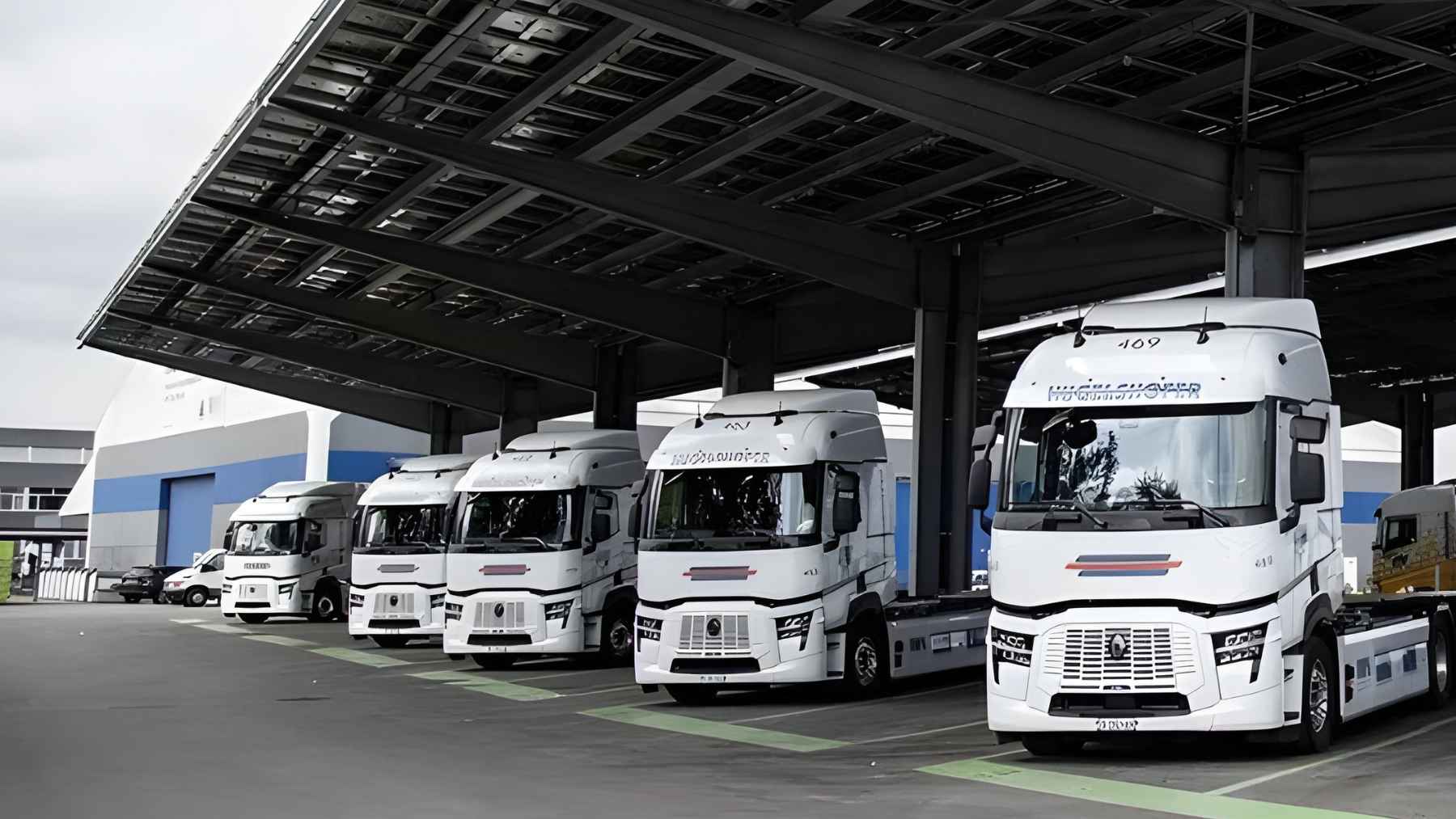
Can an electric semi really keep pace when routes are tight, drivers need their rest breaks, and the cargo still has to arrive on time? A Swiss logistics company says it can. Hugelshofer Logistik and Renault Trucks say one Renault Trucks E-Tech T covered 1,007 kilometers in 24 hours, in what Renault Trucks Switzerland described as a European first.
The same Swiss release said another truck from the fleet logged 200,000 kilometers (124,000 miles) in just 13 months, compared with an industry average of about 80,000 kilometers (50,000 miles) a year. Big numbers, yes. But the real story is less glamorous and more useful. It is about operations.
Range matters, but uptime matters more
Renault Trucks says the truck in this case has a nominal range of about 300 kilometers (about 186 miles). Hugelshofer stretches that with double crews, intermediate charging during mandatory rest breaks, and a full recharge at the depot overnight.
According to the company, that lets each truck travel more than 600 kilometers on a typical day. As CEO Martin Lörtscher put it, “The key question is not the truck’s maximum range.” In freight, that line matters. The schedule often counts more than the brochure.
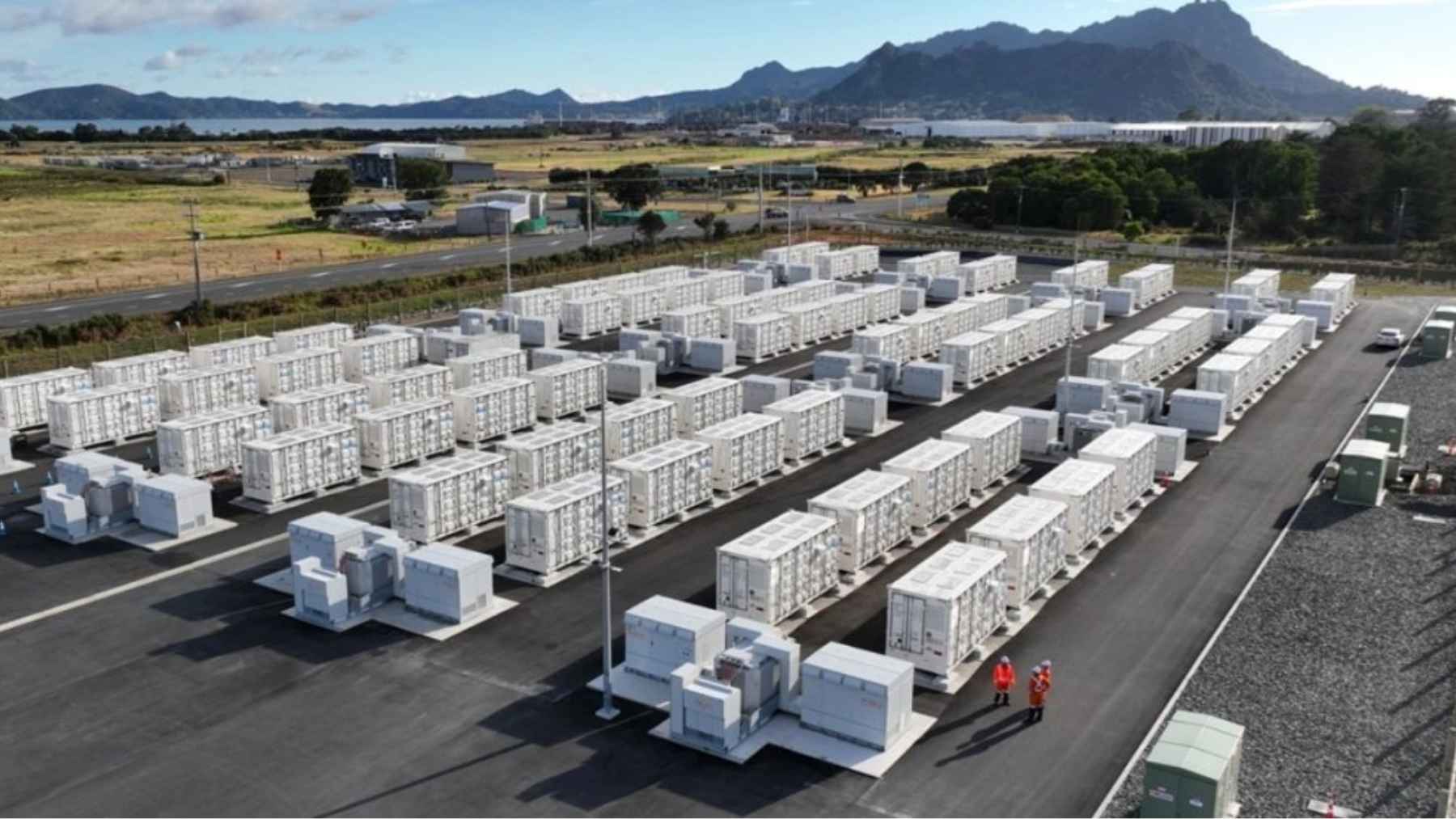
This is where the case gets practical. At Frauenfeld, Hugelshofer has installed 30 fast-charging stations with up to 480 kW of power, backed by a photovoltaic system that produces 1.2 million kWh a year and three transformers for grid stability.
Renault Trucks says about 95% of charging now happens at the depot. For dispatchers juggling loading windows, traffic jams, and the usual road freight headaches, that kind of predictability matters. Driver Herbert Hauerter, who Renault Trucks Switzerland said was skeptical at first, later praised the truck’s quiet cab and easy handling in daily use.
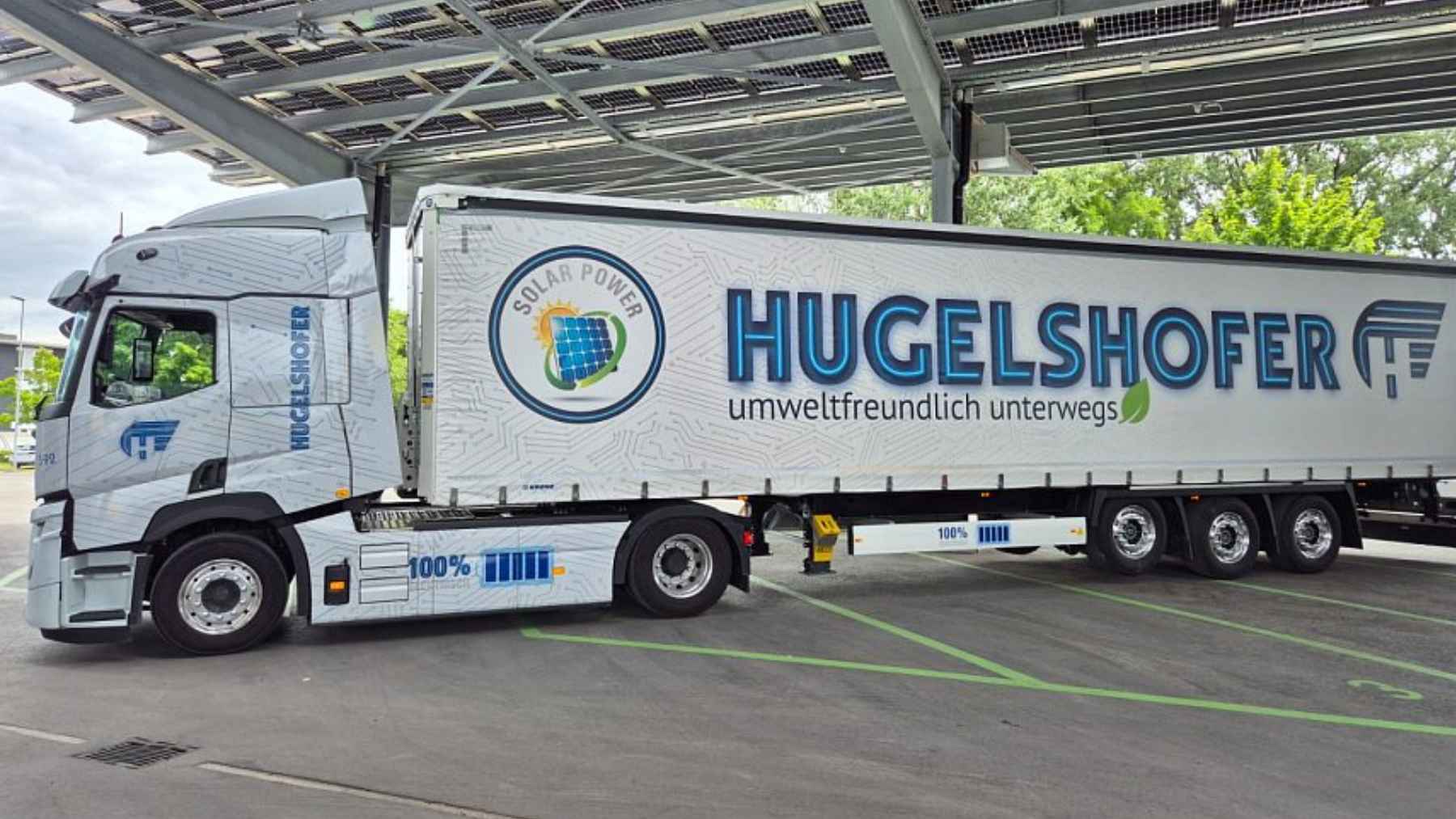
A Hugelshofer electric truck sits beneath a solar powered canopy at a Swiss depot, where logistics operations combine charging and renewable energy
Why the Swiss case stands out
Hugelshofer runs 220 trucks, 80 of them electric, and 150 drivers use electric trucks every day. Renault Trucks also says the company is seeing operating costs about 30% lower than with comparable diesel vehicles.
And the market backdrop is moving in the same direction. Switzerland’s official SME Portal said heavy battery electric trucks over 16 tons reached a market share of more than 16% in 2025, even as the wider commercial vehicle market weakened.
That does not mean every long-haul route is ready to go electric tomorrow. But it does suggest the debate is shifting. To a large extent, the real hurdle is not the battery alone. It is the system built around it.
The press release was published on Renault Trucks Corporate.