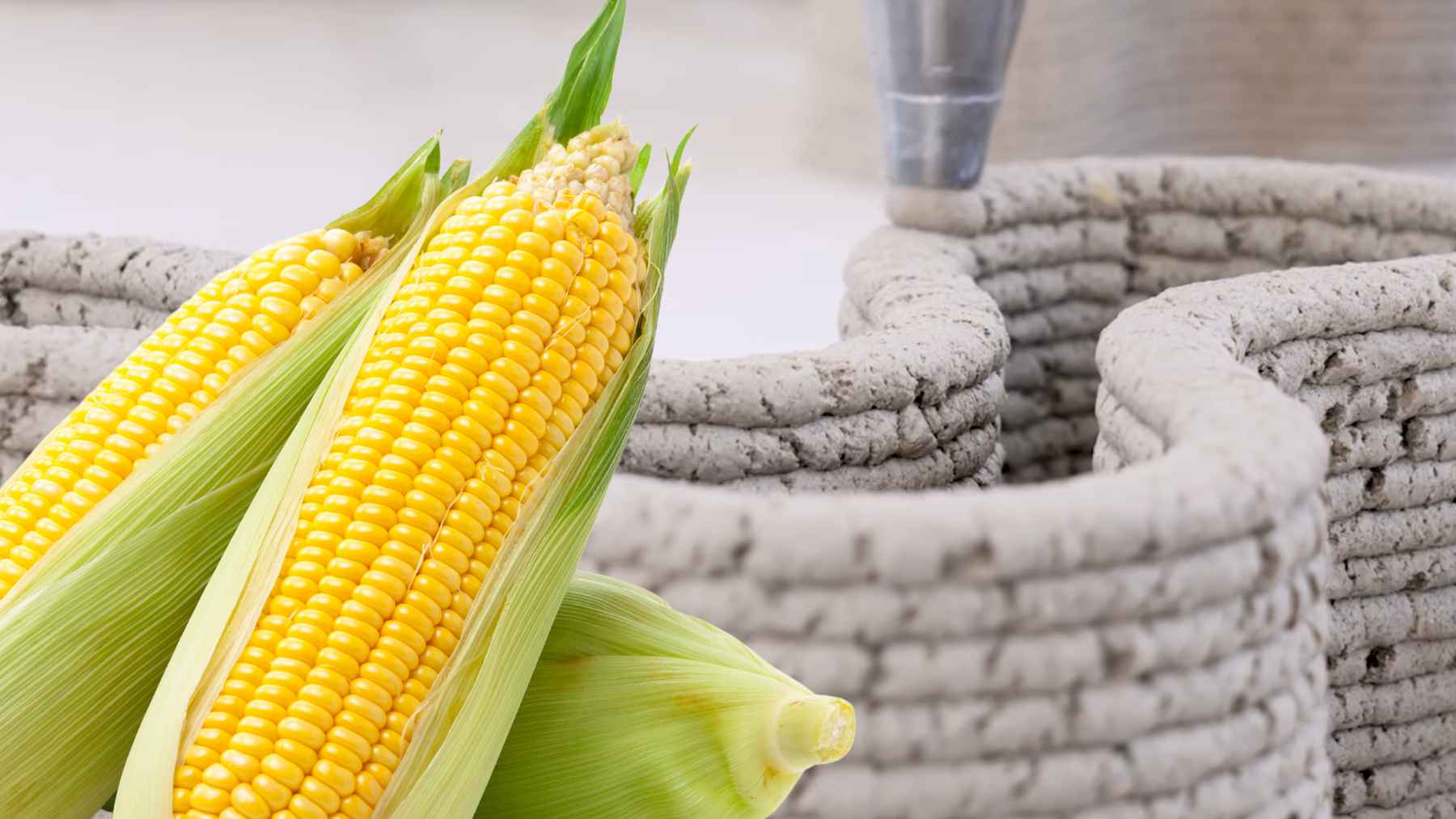
Concrete is everywhere, from sidewalks and bridges to the foundation under your kitchen floor. But it comes with a climate bill that is getting harder to ignore. Cement production is responsible for about 8% of global CO2 emissions, and the material is still notoriously slow to reach full strength.
A Mexico-based materials studio called Manufactura says it has a new recipe that could help. Corncretl is a corn and lime building mix designed for robotic 3D printing, and the team claims it can cut carbon emissions by up to 70% compared with conventional concrete while also reducing material waste by up to 90%.
The pitch is simple: build faster, waste less, and lower the emissions that keep showing up on the world’s construction ledger.
Concrete’s twin crunch
The construction industry is getting squeezed from both sides. Cities need more homes people can actually afford, and regulators and investors are pressuring builders to cut the embodied carbon that sits inside cement, steel, and glass before anyone even moves in.
This is why 3D-printed construction keeps resurfacing in pilot projects. In practical terms, it can mean fewer workers doing repetitive formwork, fewer trucks hauling away leftover material, and a shorter timeline between a poured foundation and a finished shell.
Still, speed is only half the story. The International Energy Agency has been clear that heavy industry decarbonization will require changes in materials, energy, and process emissions, not just better scheduling. That is where alternative binders start to matter.
A taco shop’s waste stream becomes a wall
Corncretl starts with a very Mexican input: corn. Manufactura says it blends solid corn residues with lime and a liquid called nejayote, the alkaline wastewater left after cooking corn with lime for tortillas in a process known as nixtamalization.
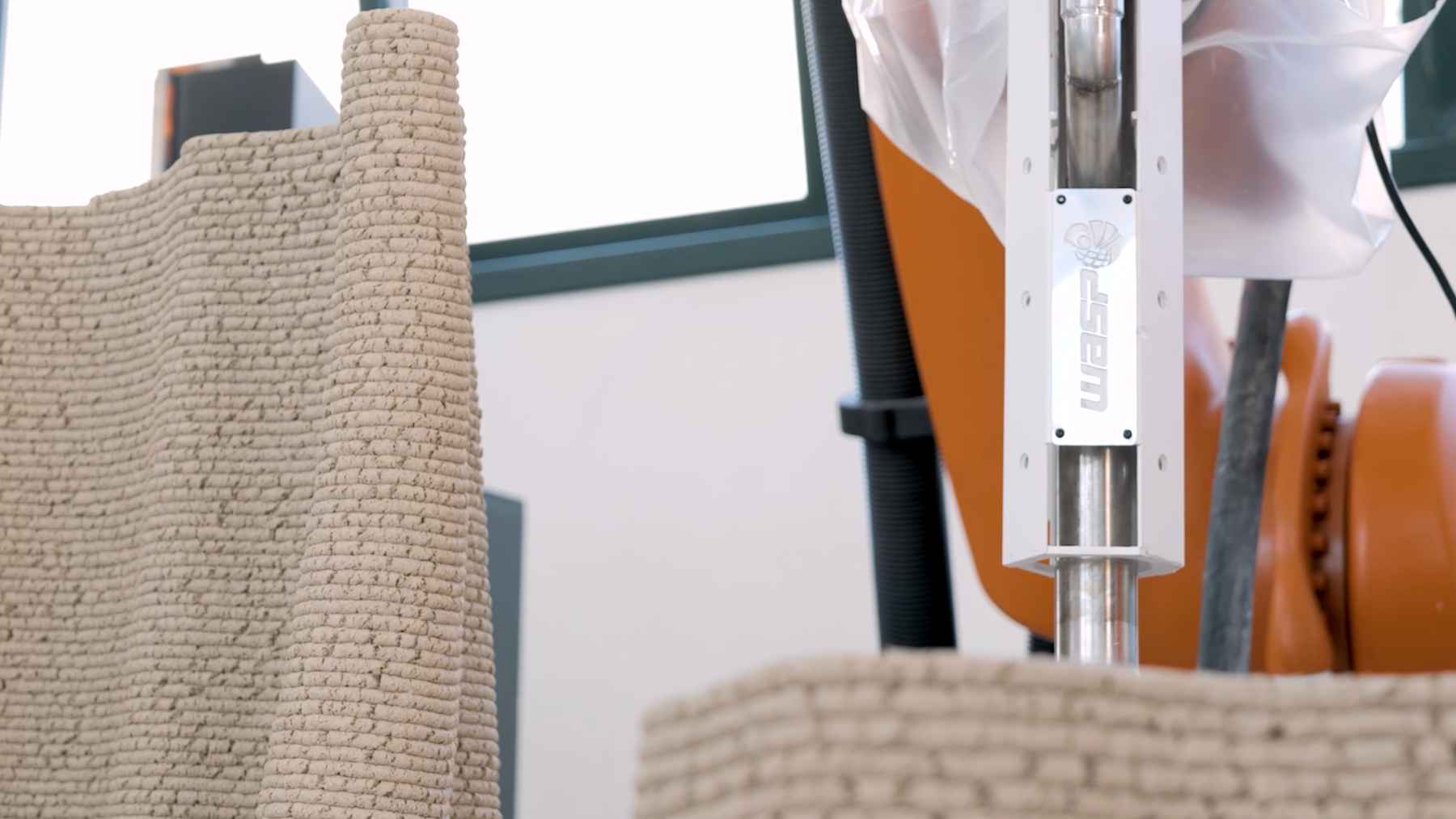
Instead of treating that byproduct as a disposal problem, the mix turns it into a printable paste. The team tested the material using an HD Continuous Feeding System connected to a Kuka robotic arm, which matters because robot motion makes curved walls and non-rectangular surfaces far easier than traditional methods.
That kind of flexibility is also showing up in how governments and communities talk about housing solutions. When places start improvising with housing scarcity, the appeal of faster building shells becomes easier to understand.
Why lime beats Portland cement on the carbon ledger
The key difference is the binder. Traditional Portland cement requires high-temperature kilns and emits CO2 from both fuel use and limestone chemistry, while lime hardens at room temperature through carbonation, gradually pulling CO2 back in as it turns into calcium carbonate.
Lime-based mixes can also behave differently over time, and that is not just marketing language. Research on self-healing in lime mortars describes how moisture can help dissolve and move calcium-bearing compounds into tiny cracks where they recrystallize and partially seal the damage.
This does not mean the material is automatically “green” in every setting. But the chemistry explains why lime keeps returning as a candidate in lower-carbon construction, especially as infrastructure demand drives huge volumes of concrete and the emissions that come with it.
Printing houses faster is not the same as fixing housing
Here is the question most readers will ask: If you can print a wall in hours and cure it in a few days, does that solve affordable housing for most families? Not automatically.
Cost still hinges on land, permits, utilities, finishing trades, and financing, which is where a lot of projects run into real-world bottlenecks. That said, companies like Icon have pushed hard on code pathways and third-party evaluation, and that helps move printed structures from “cool demo” to something a city can approve.
In the U.S., compliance language often runs through the International Building Code, even when new construction methods need additional evaluation criteria. That is why materials and methods matter as much as the printer itself.
What to watch next
Manufactura has not announced a pilot build in Mexico yet, but that is the logical next step. Mexico has abundant corn waste and huge housing needs, and local supply chains can be a quiet advantage when global material prices swing.
The big test will be performance, codes, and cost at scale.
Can Corncretl meet structural and fire requirements, behave predictably across different climates, and be produced consistently without turning agricultural byproducts into a new quality-control headache? Those are the questions that will decide whether corn-based concrete stays a prototype or becomes a real building product.
The official statement was published on LinkedIn.