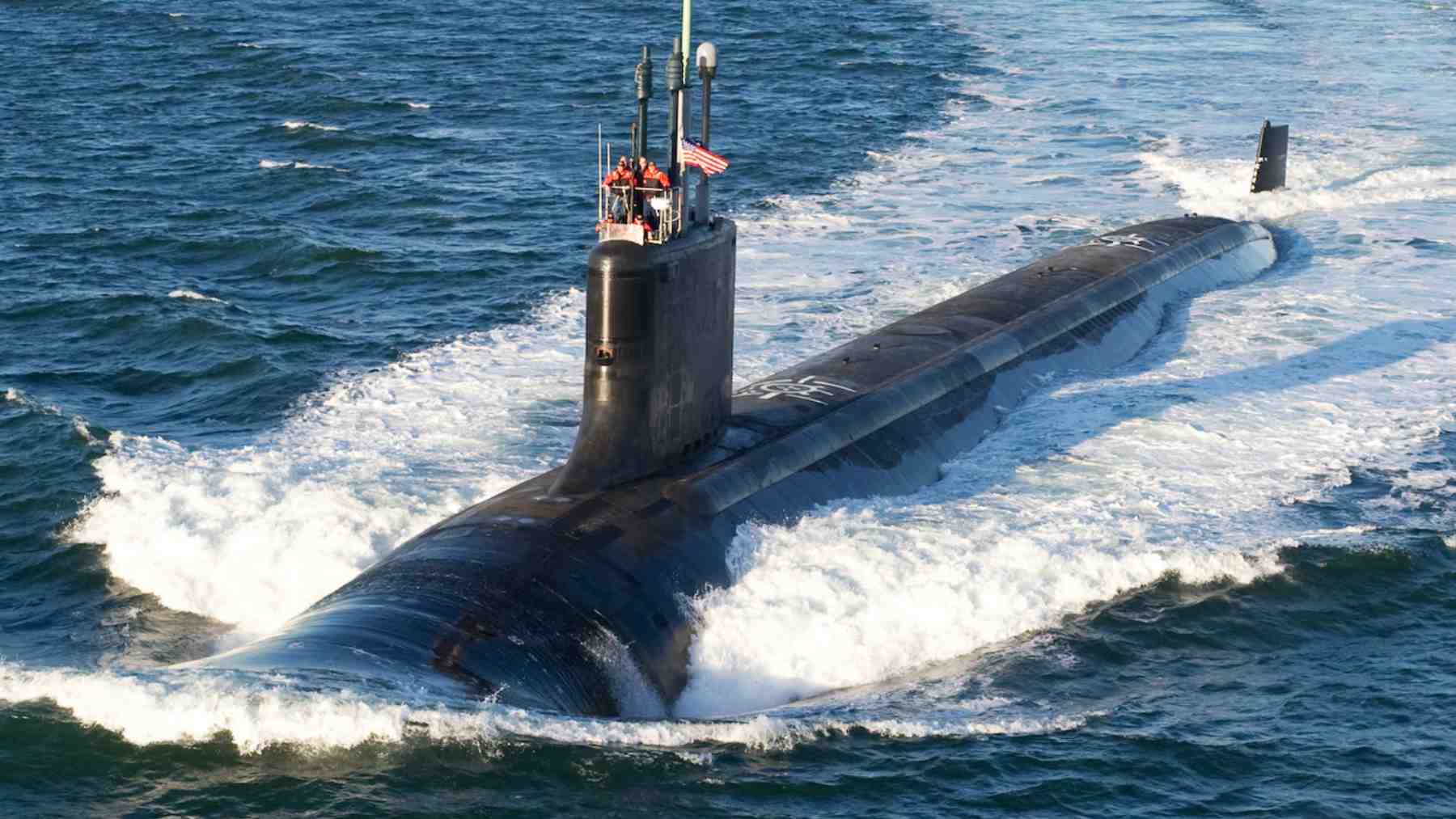
The U.S. Navy is staring at a “firepower gap” that, on paper, looks like a simple counting problem. Retire four Ohio class guided missile submarines and aging cruisers, and the fleet loses thousands of vertical launch cells that can fire Tomahawks and other weapons. But the deeper story is more uncomfortable.
This crunch is playing out at the exact moment the Navy’s industrial base is struggling to build replacements on time, and when environmental liabilities tied to nuclear ships and shipyards are getting harder to ignore. In practical terms, that means national security planning is now bumping into ecology, budgets, and the long tail of nuclear stewardship.
The missiles everyone counts
Each Ohio class SSGN can carry up to 154 Tomahawk land attack missiles, and together the four boats represent more than half of the Submarine Force’s vertical launch payload capacity.
So when analysts talk about retiring them before replacements are ready, they are not just describing a capability gap. They are describing a shift in how the U.S. projects power, especially in the Indo Pacific where distance turns “magazine depth” into strategy.
The shipbuilding reality check
Here’s the catch. Oversight reviews have warned that the Columbia class program faces an estimated delay of more than a year for the lead submarine, along with projected cost increases that are difficult to fully correct late in construction.
Meanwhile, the Navy is still trying to ramp Virginia class Block V production, including versions built around the Virginia Payload Module, while also spending billions in annual procurement and advance procurement for Columbia.
If that sounds like a juggling act, it is. And when the juggling slips, the pressure often lands on shipyards that are already stretched, plus the coastal communities around them.
The environmental tab that does not go away
Nuclear submarines do not simply “retire.” Reactor compartments are removed, packaged, and transported for disposal, including to the Department of Energy’s Hanford site under long standing federal disposal pathways.
That work is heavy industry. It involves radiological controls, specialized transport, and years of stewardship. It also happens in the same ecosystem where people fish, boat, and worry about what ends up in the water after the next storm.
So what should readers keep in mind? Defense modernization is not only about missiles and deterrence. It is also about whether the U.S. can build and safely dismantle complex naval platforms without pushing hidden costs onto taxpayers and the environment. And that’s where the real math starts.
The official statement was published on NAVSEA.