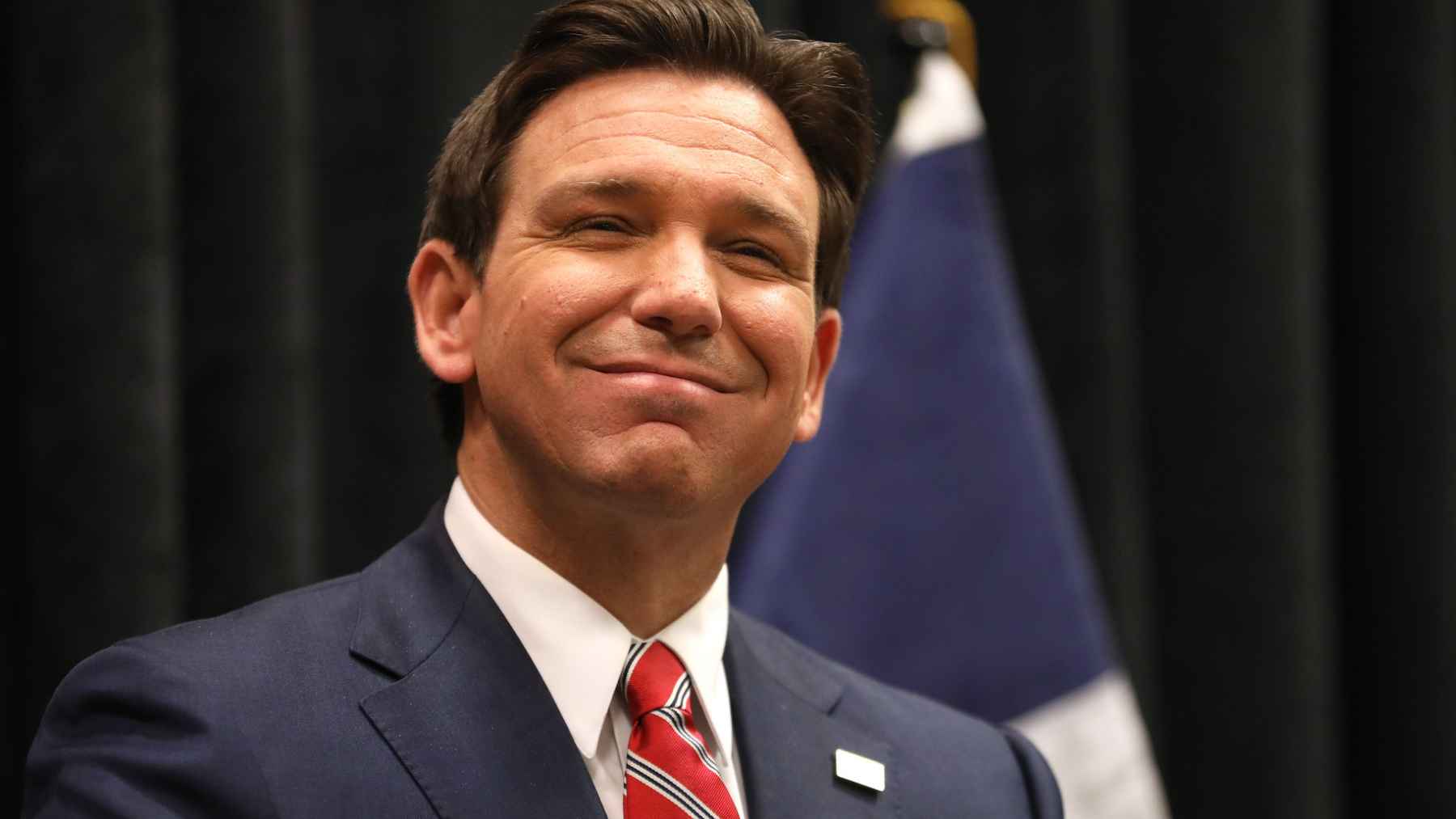
Governor Ron DeSantis signed Senate Bill 290 in Sebring on March 23, approving the Florida Farm Bill ahead of its July 1 start date. State leaders describe it as a package that strengthens agriculture, protects consumers, and backs food security, with several public safety measures folded in.
This is the kind of law you can bump into without realizing it. It shows up in the landscaping crew on your street, the farm that hosts weekend weddings, and the grocery run after a hurricane when supplies get tight. So what changed?
What the Florida Farm Bill does
Florida’s farm economy is big enough to shape state policy on its own. The governor’s office points to more than 45,000 farms and ranches and a total economic impact of about $387 billion, which helps explain why lawmakers keep bundling multiple priorities into a single “farm bill.”
In the official announcement, DeSantis said SB 290 builds on reforms at the Florida Department of Agriculture and Consumer Services to protect “Florida agriculture, consumers, and rural communities.” Commissioner of Agriculture Wilton Simpson said the law pushes back on “government overreach” while aiming to preserve rural lands and improve safety.
The theme is state-level standardization. SB 290 repeatedly limits what counties and cities can do on their own, even when the issue starts out feeling local, such as equipment rules, agritourism permits, and development density. It is a Swiss Army knife of policy.
Local bans on gas and diesel equipment are blocked
The most visible change is a new statewide preemption on local restrictions for “gasoline-powered” farm and landscape equipment. The definition is broader than it sounds, since it includes equipment using gasoline, diesel, or a gasoline and oil blend.
Counties and municipalities may not restrict or prohibit that equipment, and they may not set different standards that single out gas tools compared with electric alternatives in retail or distribution. Local governments can still encourage battery-powered options, but mandates are off the table.
For businesses, this reduces patchwork compliance risk across jurisdictions. But communities that were trying to cut noise or emissions through local ordinances will have fewer levers. That debate is not going away.
Agritourism gets statewide protection
SB 290 expands statewide protections for agritourism on land classified as agricultural. The statute says the Legislature wants to promote agritourism and reduce duplicated regulation, and it limits local rules that would “prohibit, restrict, regulate, or otherwise limit” those activities.
The update also bars local governments from requiring an agricultural property owner to obtain a rural event venue permit or license. “Rural event venue” is defined broadly, including functions like weddings, receptions, and corporate meetings.
Local officials are not completely sidelined. The statute says it does not limit the ability to address “substantial offsite impacts” or emergency situations, which is where traffic, noise, and safety complaints usually end up.
A new speed bump for development in tiny towns
The bill adds a targeted land-use tool for “low-density municipalities,” defined as very small cities that existed by January 1, 2025, are under 2,500 acres, and have 5,000 or fewer residents. It also defines an “ecologically significant parcel” as undeveloped land in those towns designated as rural, conservation, agricultural, or greenspace under a comprehensive plan.
For developments on those parcels, SB 290 requires an attestation under penalty of perjury that the project will not exceed one residential unit per 20 acres, unless the city unanimously votes to waive the cap. There is an exception pathway for housing for family members, but it still requires an attestation.
Selling “surplus” conservation land for agriculture
SB 290 creates a path for some state-owned conservation lands to be declared surplus and sold for bona fide agricultural purposes. For conservation lands acquired on or after January 1, 2024, the Department of Environmental Protection, working with the agriculture department, must determine suitability, and DEP may then surplus qualifying parcels.
The bill includes guardrails. If land is surplused, DEP must retain a rural-lands-protection easement, and proceeds must go into the Incidental Trust Fund at the agriculture department for less-than-fee-simple land acquisition, while designated state forests, state parks, wildlife management areas, and lands inside the Comprehensive Everglades Restoration Plan boundaries are excluded.
Debate is still simmering. WUSF reported that some Democrats argued the conservation language needed stronger protections, while Simpson defended the approach as a way to keep land affordable for farmers and younger growers trying to get started. This part may get the closest scrutiny.
Food security bets include logistics and inputs
SB 290 creates a Farmers Feeding Florida Program in statute, designed to coordinate with Feeding Florida on acquiring, transporting, and distributing fresh food products for residents who are food insecure. The law requires reporting beginning July 1, including records of food purchased and where it is delivered.
Food bought through the program cannot reenter wholesale, retail, or secondary markets, keeping it dedicated to hunger relief. The law also restricts certain candidates from hosting distribution events during a defined campaign window except during emergencies.
The bill also launches a Florida Native Seed Research and Marketing Program through the Florida Wildflower Foundation in coordination with the state, subject to appropriation. It is a small-sounding move that can matter for what gets planted and how competitive Florida growers can be. Think of it as supply chain work, just upstream.
Loans and tech safety rules in the fine print
The law changes eligibility for the Agriculture and Aquaculture Producers Emergency Recovery Loan Program by requiring applicants to be U.S. citizens and legal Florida residents, while entities must be wholly owned and operated in the United States with an active certificate of status.
It also creates a loan repayment program for food animal and equine veterinarians, with payments of up to $25,000 per year for up to five years, and up to three new candidates selected each year if funding is appropriated.
SB 290 adds penalties related to commercial driver license exams, including for applicants who receive unauthorized assistance on certain portions and for people who knowingly provide it.
It also strengthens rules around posted “no solicitation” notices and bans signal-jamming devices that intentionally block or interfere with communications like cellular service, police radar, or GPS, with limited exceptions tied to federal or military law enforcement agencies and other federally authorized uses. Some parts will be felt quickly, while others depend on funding and rulemaking.
The official press release was published on the Executive Office of the Governor.