A federal appeals court has cleared the way for the Trump administration to move ahead with one of its biggest efforts yet to weaken organized labor inside the federal workforce.
In a ruling published on February 26, the Ninth Circuit vacated a lower court injunction that had blocked Executive Order 14251, the March 2025 directive that excludes a wide range of agencies from collective bargaining rules on national security grounds.
The order covers major parts of Treasury, Defense, Justice, Veterans Affairs, Energy, and the Environmental Protection Agency, among others. The court called it the largest single effort so far to remove agencies from collective bargaining under that authority.
Ninth Circuit ruling and national security claims
Why does that matter beyond Washington? Because this fight is no longer just about union procedure. It reaches into how agencies manage discipline, staffing, and workplace disputes at places that affect daily life, including tax administration and public services. The administration argues unions can slow mission-critical work.
The Ninth Circuit agreed, at least for now, that the record supported the White House claim that the order was driven by national security concerns rather than unlawful retaliation against unions.
At the same time, the panel also said federal district courts still have authority to hear the dispute, which means the broader legal battle is far from over. That uncertainty is already landing in a broader climate where AI is reshaping law, media, and public institutions.
IRS and federal agencies move to end union agreements
The practical effects are already showing up. Following guidance from the Office of Personnel Management issued on February 12, covered agencies were told to notify unions and employees that they should terminate or modify existing collective bargaining agreements. OPM also circulated a template for ending those contracts.
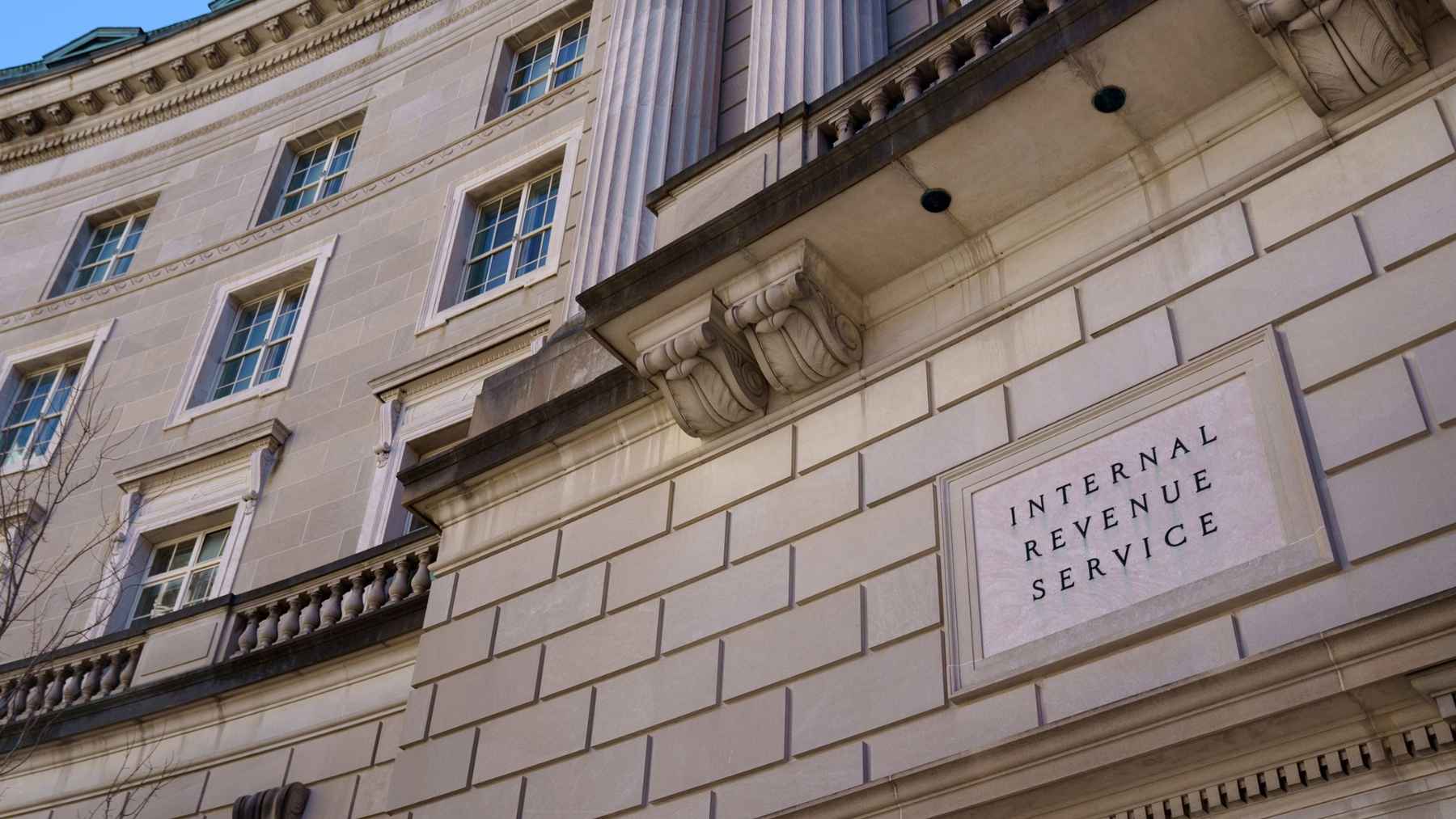
Soon after, the IRS and the Bureau of the Fiscal Service moved to terminate their agreements with the National Treasury Employees Union. In practical terms, that means some workers could lose union-backed representation channels they had relied on in disciplinary and equal employment cases.
Also Read: Treasury moves to end IRS union contracts
For taxpayers, the question is simple. Will this make service faster, or just make an already strained system more chaotic during filing season? In business terms, it looks a lot like a high-stakes restructuring, the sort of pressure that also shows up when large companies announce sweeping cuts and closures.
Impact on unionized federal workers and government power
There is also a scale issue here that is hard to ignore. Earlier reporting on the litigation said the executive order could affect about 75 percent of unionized federal workers, while NTEU has said it represents roughly 160,000 employees. That is not a narrow personnel tweak.
It is a major restructuring of labor relations across government, with especially large implications for agencies that handle money, enforcement, and national security. And that is where the story gets bigger than a courtroom fight. It becomes a test of how much management power the White House can reclaim, and how much worker protection remains in place when pressure on the federal system is already high.
In another corner of national policy, similar tensions are playing out around defense capacity, public trust in connected technology, and even big infrastructure projects that raise questions about state power and environmental oversight.
The official court opinion was published on ca9.uscourts.gov.