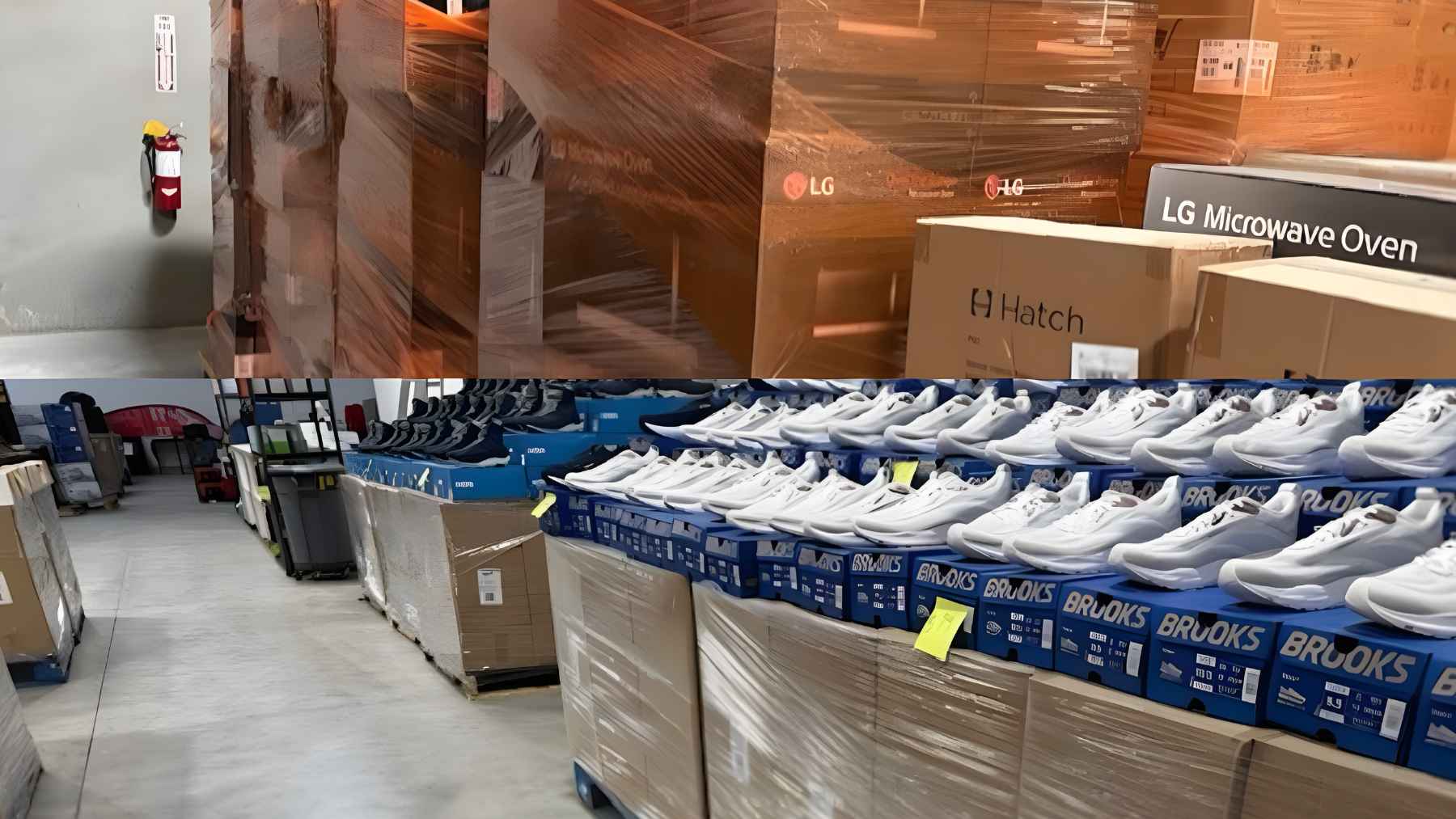
The Los Angeles County Sheriff’s Department says it recovered about $7 million in stolen cargo and seized another $1 million in cash after a multi-county investigation into organized theft. Nine suspects were arrested, and the list of victim companies includes major names such as Amazon, Costco, Sony, LG, T.J. Maxx, Marshalls, and Disney.
It is a big enforcement win, no question. But it is also a reminder that cargo theft is not just a trucking problem. If a shipment of TVs, tools, or even golf carts can get diverted, what does that mean for the supply chain behind the package that shows up on your porch?
What investigators say they recovered
According to the sheriff’s department, detectives with its Major Crimes Bureau Cargo Criminal Apprehension Team served 13 search warrants across Los Angeles, Riverside, and San Bernardino counties. The work covered December 2025 through February 2026, and authorities announced the results on Friday, March 20, 2026.
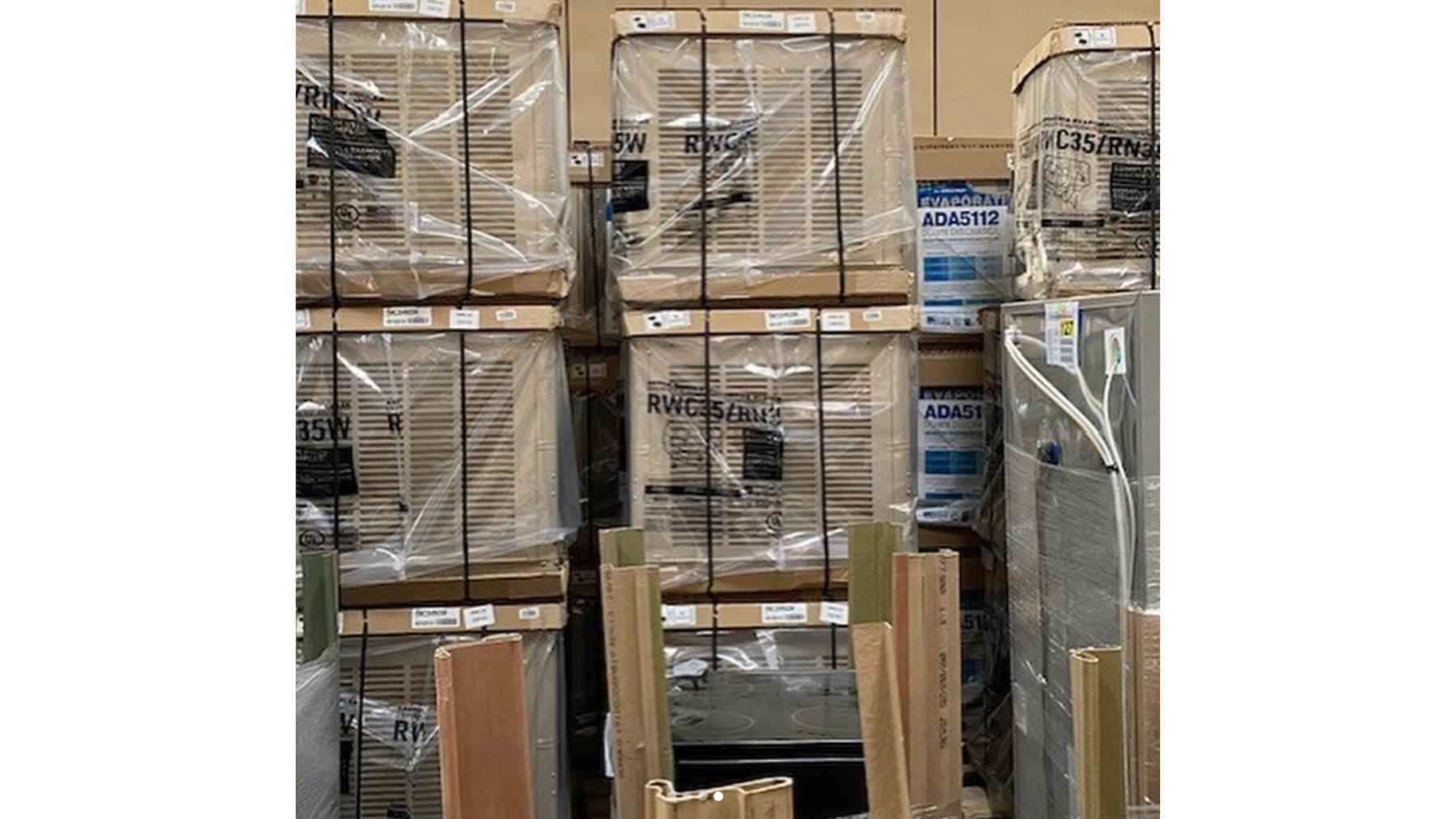
Investigators say they seized about $7 million worth of stolen “cargo freight” and recovered $1 million in U.S. currency. Nine people were booked on suspicion of grand theft cargo, money laundering, and receiving stolen property, and the case is expected to be presented to the Los Angeles County District Attorney’s Office for filing consideration.
The recovered inventory was a grab bag of high-demand products. Reports tied to the investigation mention items such as Hisense TVs, LG microwaves and appliances, Sony sound bars, Canon printers, Milwaukee tools, Ring cameras, Disney-branded clothing, and even premium liquor and pool equipment.
Why this case hits more than one industry
Cargo theft sits at an awkward intersection. It is crime, obviously, but it is also a business problem for logistics firms, insurers, retailers, and manufacturers. When stolen goods include electronics and household items, the impact can show up as delayed deliveries, empty shelves, and claims teams working overtime.
The National Insurance Crime Bureau warns that cargo theft “threatens national supply chains” and “inflates consumer prices.” NICB’s CEO, David J. Glawe, has framed it even more plainly, saying the costs are “passed along to the consumer.”
This kind of theft also scales fast. A shoplifter can walk out with a handful of items, but a cargo theft ring can move pallets at a time, and a single load can be worth more than many small businesses keep in inventory.
Hands handle printed materials and brochures, offering a close-up view of distribution or retail-related activity.
The numbers behind the bigger trend
CargoNet’s 2025 supply chain risk trends analysis recorded 3,594 supply chain crime events across the United States and Canada, essentially unchanged from 3,607 in 2024. Yet Verisk CargoNet also found estimated losses surged 60% to nearly $725 million in 2025, while the average theft value rose 36% to $273,990.
That gap is the tell. For the most part, thieves appear to be going after higher-value freight rather than simply stealing more often. If you are a shipper, that means the “rare event” can be the one that hurts the most.
NICB puts the broader U.S. annual loss estimate much higher, citing Homeland Security Investigations estimates of $15 billion to $35 billion a year. It also lists California among the most impacted states, which helps explain why Southern California task forces have become a case study for the rest of the country.
How modern logistics can be exploited
The old image of cargo theft is a truck stolen from a lot. That still happens, but the industry’s bigger worry is often fraud, the kind that looks routine until the load is gone. NICB describes “strategic theft” where criminals pose as carriers or logistics companies, sometimes using fake documents or stolen identities, to trick shippers into releasing goods.
It is not just paperwork either. NICB also flags “cyber-enabled theft,” where hacked logistics data is used to intercept or reroute shipments, and it warns that digitalization has created security gaps criminals can exploit. That is why defenses can start to resemble basic cyber hygiene, including verifying contacts and watching for altered emails.
Even basic communication tools can be part of the risk. NICB advises checking whether phone numbers in the chain are valid and using extra vetting if a number appears to be Voice over Internet Protocol. It also warns against double brokering and says rerouting decisions should come from the cargo owner, not a middle layer.
What companies can do now
Security spending is easy to pitch after a headline, but the smarter question is where it changes outcomes. NICB’s guidance starts with people and process, including background checks for employees with access to shipping information and training for drivers and staff on warning signs.
From there, it gets very practical. Trucks and cargo are most vulnerable when sitting idle, and NICB recommends parking in known secure locations and avoiding “hot spots” linked to frequent theft. It also calls for layered deterrence such as better lighting, alarms, surveillance, cargo tracking, immobilizers, and advanced security seals.
The last piece is coordination, which sounds dull until you need it. In Los Angeles County, authorities are asking anyone with information to contact the Organized Retail Crimes Task Force at ORCTF@LASD.ORG or 562-946-7270, with anonymous tips routed through LA Crime Stoppers at 800-222-8477.
For businesses, early information sharing can be the difference between a recovery and a dead end.
What to watch next
Investigators have not released the suspects’ names, and the sheriff’s department says the case will go to prosecutors for filing consideration. That leaves open practical questions that matter to the private sector, including how the stolen goods were moved, where they were stored, and how they were resold.
There is also a policy backdrop. NICB has urged federal support and has pointed to organized theft as a funding stream for broader criminal networks, including drug trafficking, arms dealing, and terrorism, without making any claim that this LA case fits that pattern.
This is one reason cargo theft sometimes shows up in national security conversations even when the stolen item is “just” a TV.
For now, the LA recovery is a concrete reminder that cargo theft is a business risk hiding in plain sight. It tends to spread quietly until someone finally adds up the bill.
The official statement was published on LASDHQ on Instagram.