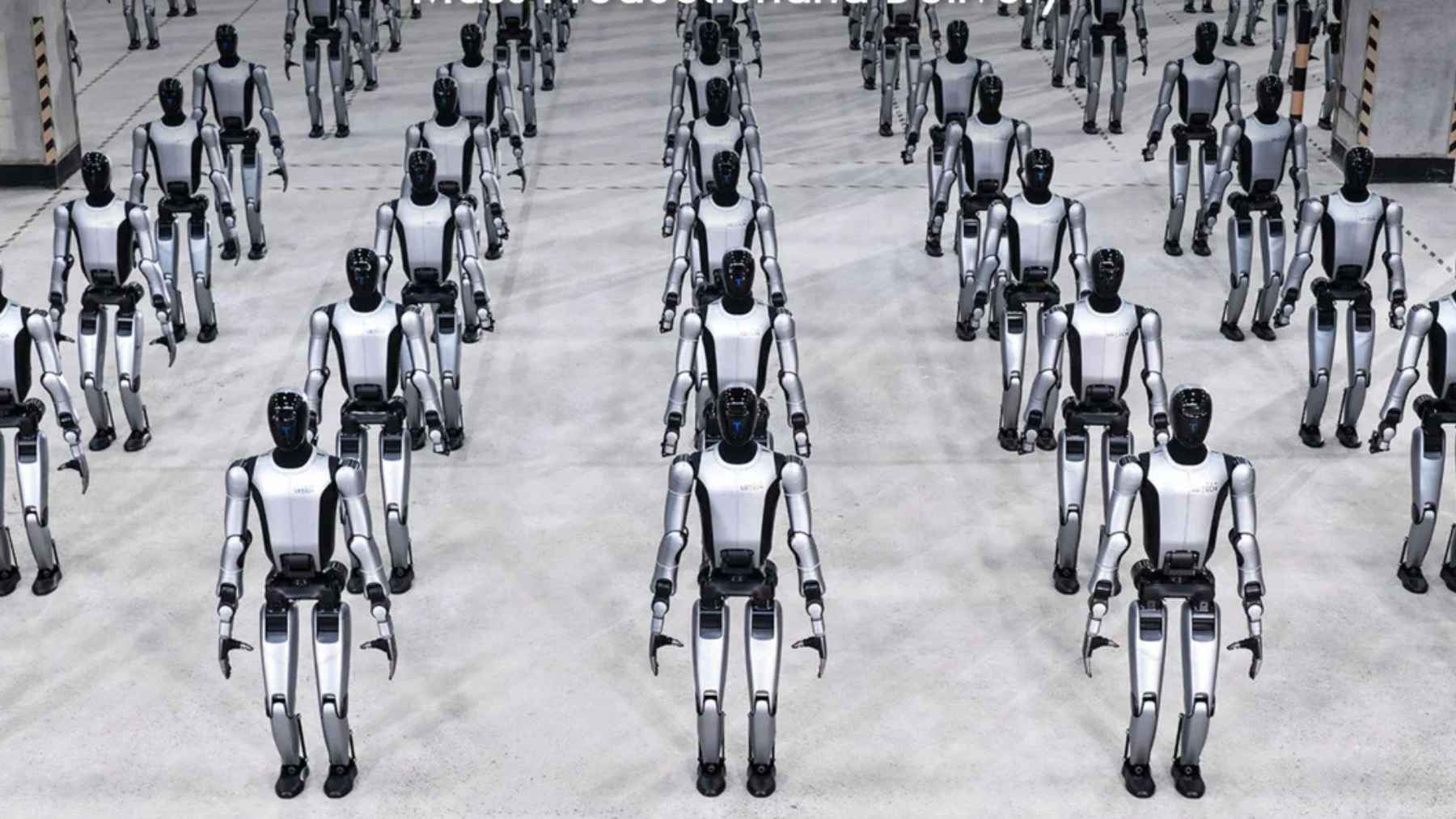
China’s humanoid robot push is heading into one of its toughest real-world settings yet. UBTech Robotics has secured a 264 million yuan contract, about $37 million, tied to Fangchenggang in Guangxi near the Vietnam border, where its Walker S2 robots are meant to help with traveler guidance, personnel flow, patrol support, logistics, and some inspection work.
Deliveries were expected to begin in December 2025. That matters because a crowded border crossing is not a showroom floor. It is noisy, fast-moving, and full of people who do not stop just because a machine needs a reset.
Why Fangchenggang matters for Walker S2
In practical terms, this looks less like a sci-fi takeover and more like a stress test. UBTech says Walker S2 can swap its own battery in about three minutes, carry payloads of up to 15 kilograms, and use stereo vision to read the space around it in real time.
On paper, that makes it a strong fit for places where lines build quickly and trucks keep rolling through. Anyone who has stood in a slow-moving checkpoint line knows why that sounds appealing. But the real question is not whether the robot looks impressive in a demo.
It is whether it can keep working safely and consistently when the weather shifts, the crowd bunches up, and the unexpected happens.
China’s humanoid robot policy and training push
And that is where China’s broader policy push comes in. Official guidance released in 2023 said the country wanted a preliminary innovation system for humanoid robots in place by 2025.
Beijing has also opened a humanoid robot data training center in Shijingshan that covers about 3,000 square meters and uses more than 100 robots for tasks such as assembling parts, cleaning bathrooms, making beds, and watering plants.
It sounds almost ordinary, and that is the point. Before robots can handle border halls or industrial yards, they need practice in the kind of messy routines that fill everyday life.
The business case behind UBTech’s border trial
There is also a harder business story underneath all this. UBTech said in November 2025 that Walker series orders had passed 800 million yuan, while other company disclosures around the Fangchenggang deal put cumulative Walker orders at 1.1 billion yuan by late November.
Reuters later reported UBTech’s total humanoid robot order value topped 1.4 billion yuan in 2025, with production capacity expected to exceed 10,000 units in 2026.
Even so, UBTech’s interim report shows first half 2025 revenue of 621.5 million yuan and a period loss of 440 million yuan. So what is Fangchenggang, really? For the most part, it is not just a robotics story. It is a test of whether humanoid robots can move from attention-grabbing prototypes to reliable, money-making infrastructure.