Chevron is preparing to process crude from the revived Santa Ynez Unit off Santa Barbara, starting with about 20,000 barrels a day supplied by Sable Offshore Corp. The first deliveries are slated to be run through Chevron’s El Segundo refinery as soon as April.
The deal lands in the middle of two overlapping shocks: a surge in fuel prices tied to the U.S.-Israeli military operations against Iran, and a legal fight between California and the Trump administration over a federal order that aims to restart onshore pipelines that were shut down after a 2015 spill.
Chevron’s deal with Sable Offshore
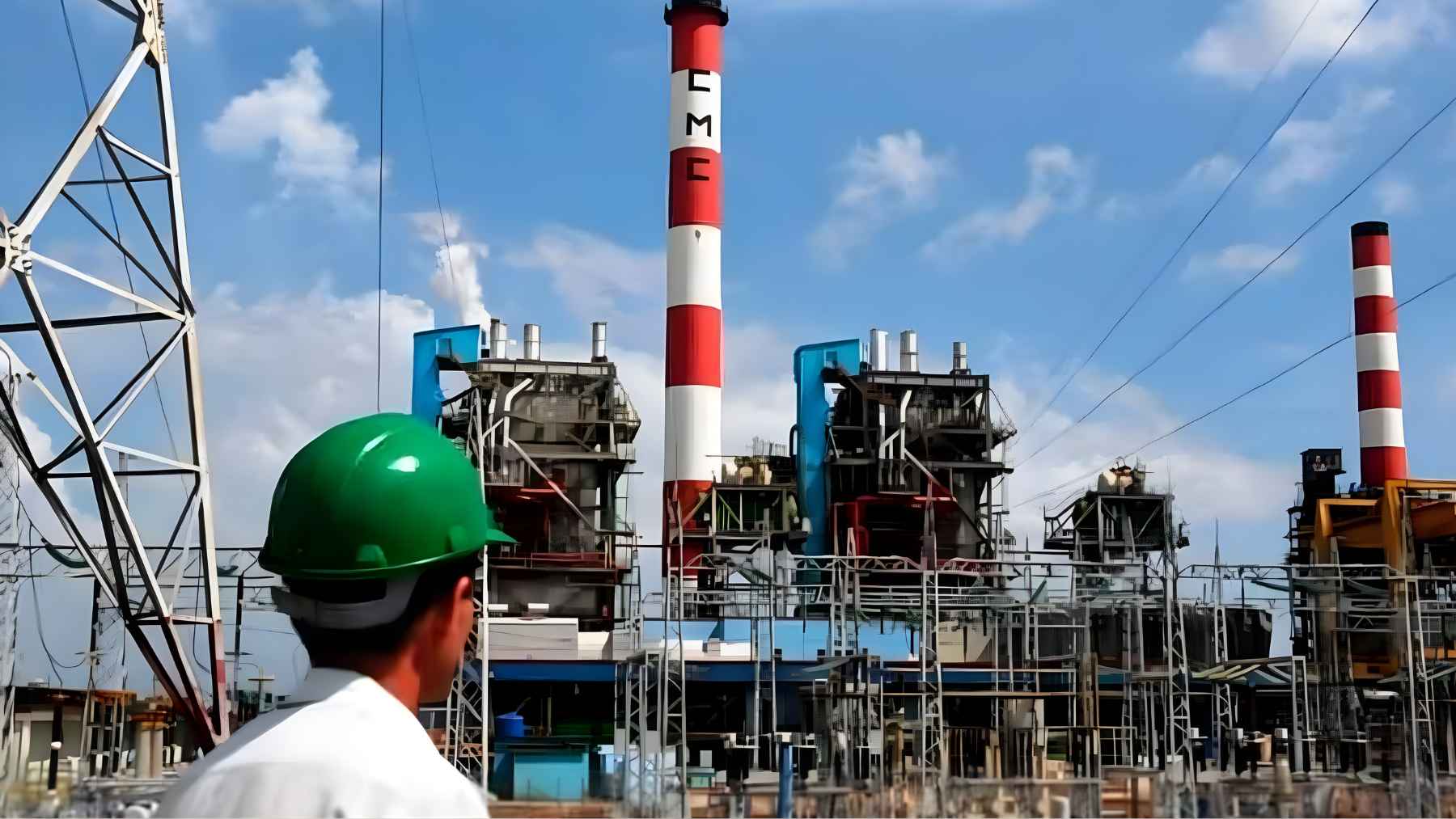
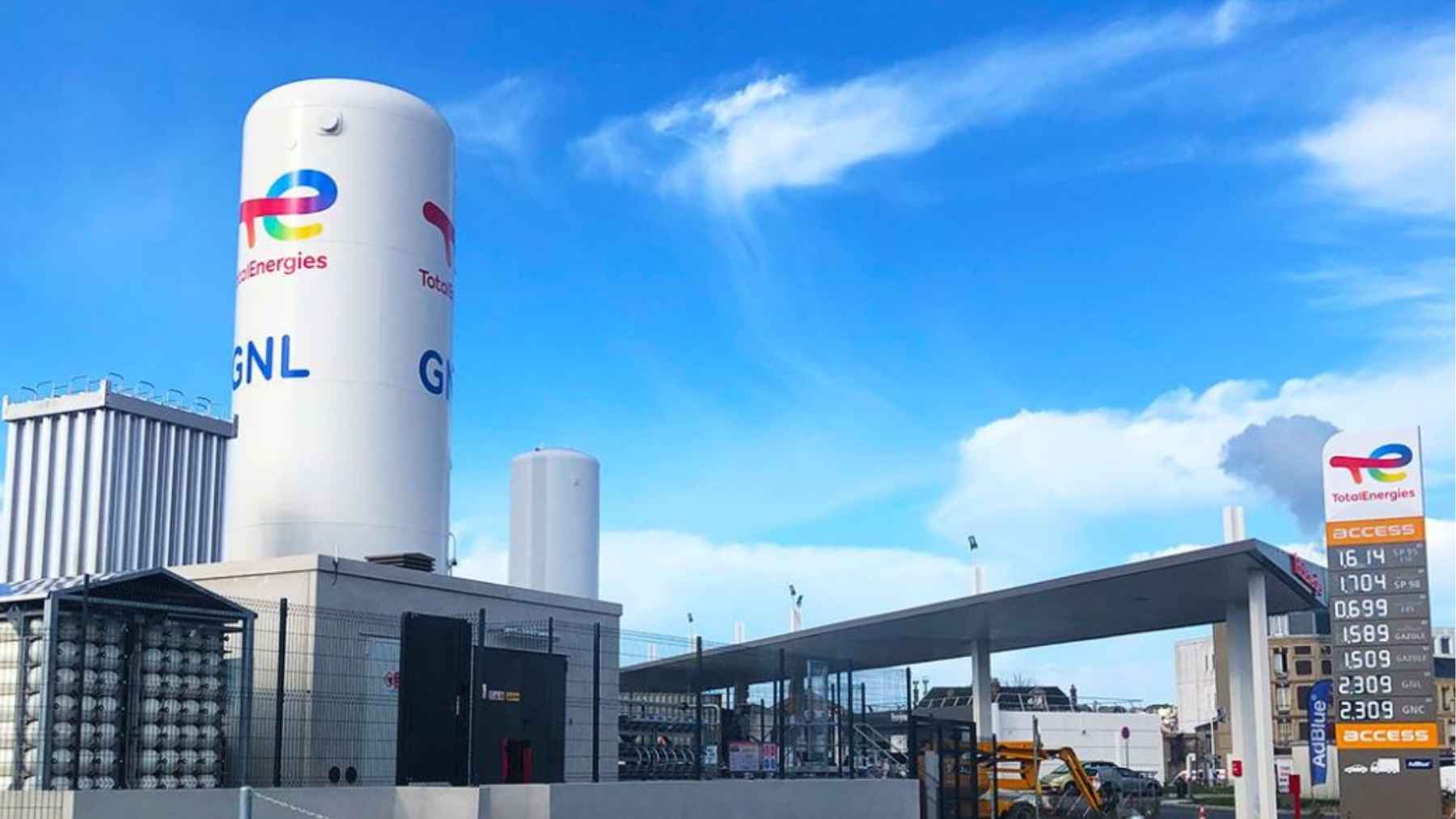
Chevron says it will take Sable’s crude and run it at its El Segundo refinery near Los Angeles, a plant that can process about 269,000 barrels a day. That matters because California’s refineries are built around a special cleaner gasoline recipe, so the state cannot instantly replace supply if something breaks or shuts down.
For Sable, having a buyer like Chevron is a major boost. The company restarted production from offshore platforms near Santa Barbara in mid-March, sending oil through the Las Flores system for the first time since 2015.
Chevron executive Andy Walz told Bloomberg that bringing in local crude should be cheaper than importing foreign barrels. In practical terms, he argued, it means more oil moved through U.S. pipelines to a U.S. refinery before being sold to U.S. drivers.
California’s legal fight with Washington
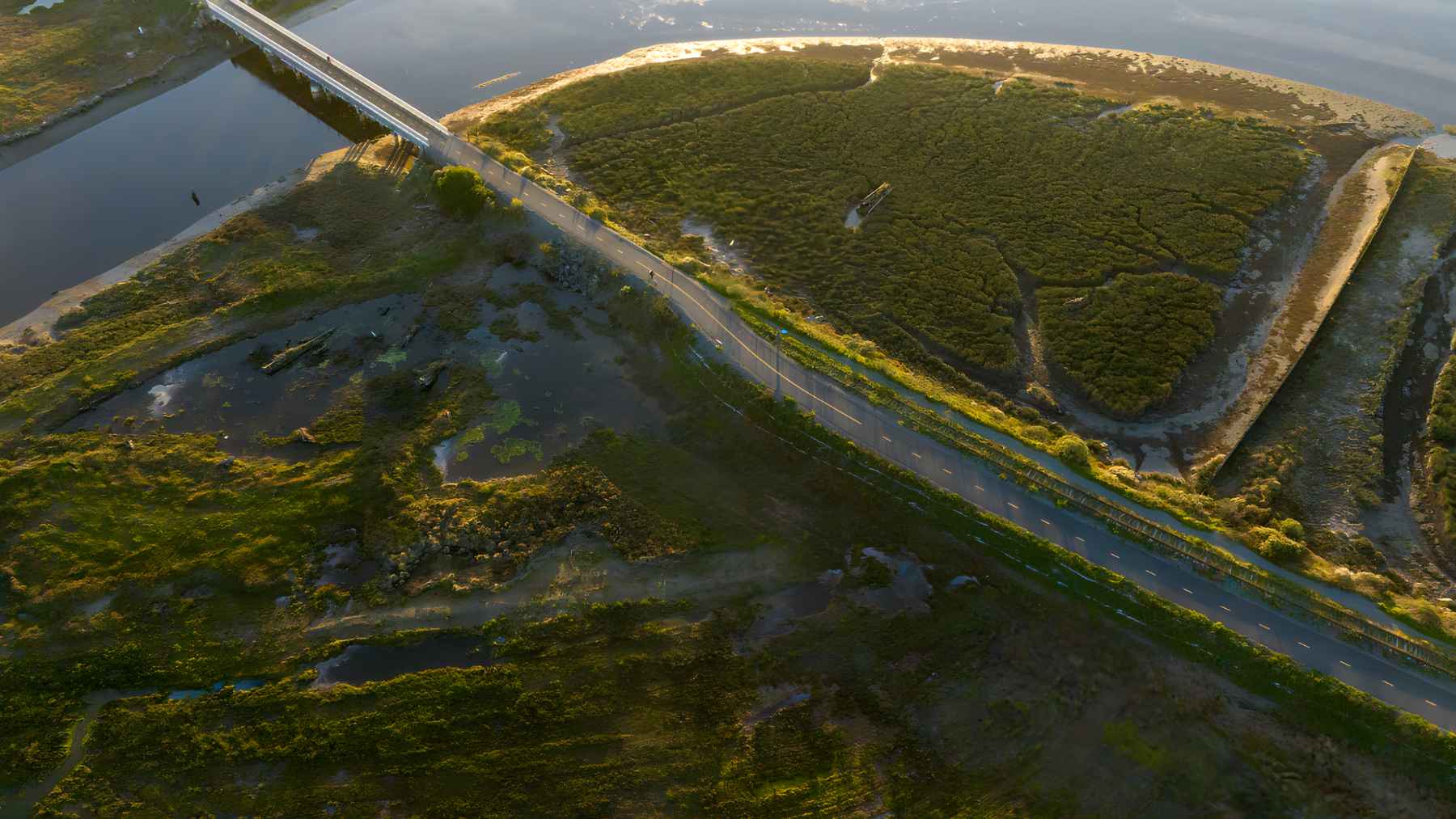
California is suing the federal government over an order signed in March that invoked the Defense Production Act and directed Sable to restore the Santa Ynez Unit and pipeline. The state says the move tries to override California’s authority over two onshore pipelines, known as CA-324 and CA-325.
The U.S. Department of Energy framed the restart as a national defense issue, saying supply disruptions have increased reliance on foreign oil, including for some U.S. military operations. That is an unusually blunt argument. When the Pentagon and fuel security get mentioned in the same sentence, political lines tend to harden.
Gov. Gavin Newsom called the federal order “desperate, reckless, and illegal” and said it was being used to “poison our beaches.” His office argues the restarted pipeline would have “zero impact” on prices, but could revive the risk of another spill.
California’s shrinking oil base
California’s gasoline prices have long been separated from the national average, and local crude production is a big reason. The state produced about 246,000 barrels of crude per day by the end of 2025, down from roughly 1.1 million barrels per day in 1986, according to the U.S. Energy Information Administration
At the same time, imports have become the scaffolding holding the system up. The California Energy Commission says the state imports around 63% of the crude it refines, even though it still has significant proven reserves.
This dependency carries a quiet cost. Imported barrels have to travel through crowded shipping lanes and then fit into California’s limited refining system. When global prices spike, the higher bill eventually lands on drivers, truck fleets, and anyone paying for delivery fees.
Does Santa Barbara offshore crude move the gas-price needle?
So does 20,000 barrels a day change what you pay at the pump? On its own, probably not. Based on Energy Information Administration consumption data, California burns roughly 1.3 million barrels of finished motor gasoline per day, so Sable’s initial output is a small slice.
But small slices can matter in a tight market. California’s refinery network is concentrated and has fewer pipeline connections to other regions, so a local supply bump can reduce the need to pull emergency cargoes from overseas or from the Gulf Coast.
The timing is what makes this more than an abstract supply story. As of March 27, AAA put California’s average regular gasoline price at about $5.84 a gallon, while Reuters reported the U.S. average near $3.98. That two-dollar gap is the kind of thing people notice on the drive home.
Oil security meets coastal risk
Sable’s pipeline shutdown dates back to the Refugio spill in 2015, when a ruptured line released more than 100,000 gallons of crude and shut down beaches. That is why environmental groups have fought so hard against reopening the system, and why regulators have insisted on permits and oversight before resuming operations.
Chevron is not the company being sued, but it is clearly a beneficiary if Sable’s oil flows again. The purchase agreement also hints at a bigger reality: with California oil production declining, large refiners will keep hunting for workable feedstock, even if it means navigating lawsuits and protests.
If the courts side with California, Sable’s restart could be paused or narrowed, keeping the state more dependent on imported crude and making price spikes harder to avoid. If the federal order stands, California may face a new template where energy supply is treated as “national defense,” and state regulators get pushed aside.
The official statement was published on the California Department of Justice.