A war-driven disruption in liquefied natural gas shipments is forcing parts of Asia to fall back on coal right when many governments thought gas could serve as a “bridge fuel.” With tankers stalled, cargoes diverted, and spot LNG prices surging to three-year highs, utilities from Bangladesh to Japan are choosing the cheapest reliable option to keep the lights on.
That short-term pivot carries a long-term warning for investors and policymakers. If this shock “destroys” demand for imported gas in price-sensitive markets, billions earmarked for new LNG terminals and pipelines across South Asia could become stranded assets, while renewables and nuclear gain ground by default.
A chokepoint turns into a price shock
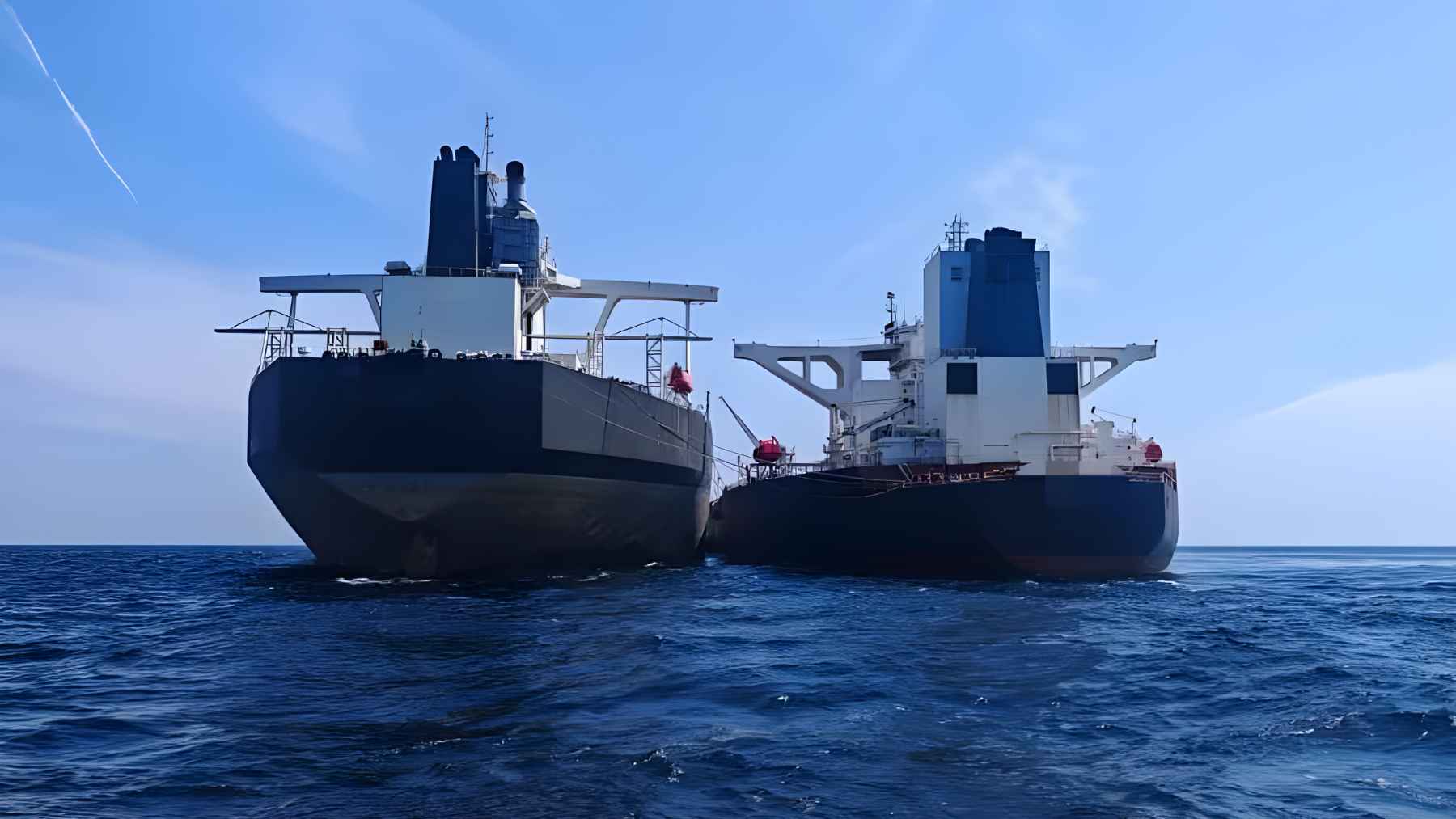
The immediate trigger is geopolitical, not geological. When ships cannot safely pass through the Strait of Hormuz, global LNG flows tighten fast because Qatar is one of the world’s top exporters and Asia is its biggest customer. Prices then jump in a way that shows up almost instantly in utility procurement costs.
For countries that buy LNG on the spot market, the math is brutal. A cargo that was affordable a few weeks ago can now be priced like a luxury good, and grid operators have to decide which plants to run each day.
That is why coal plants in Bangladesh, the Philippines, Thailand, Vietnam, and Japan are being pushed harder, even if that runs against climate pledges.
Coal comes off the bench
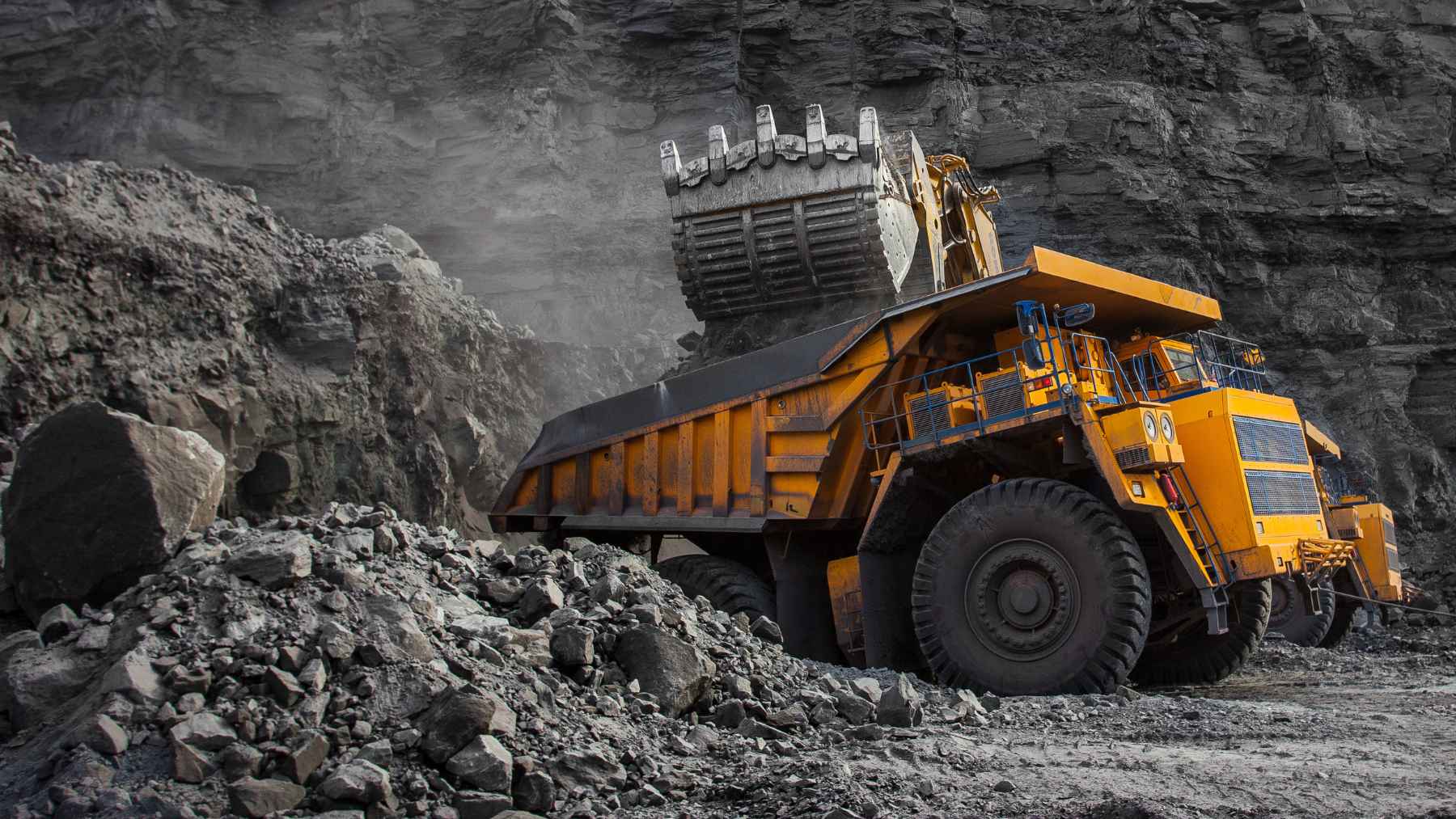
Coal is not the clean choice, but it is often the available choice. Many Asian utilities have long-term coal contracts, stockpiles at ports, and plants that can ramp quickly without relying on volatile seaborne gas cargoes. That makes coal the fallback when imported energy becomes unaffordable.
The shift is visible across both emerging and advanced economies. Bangladesh is increasing coal generation and coal-fired power imports, while the Philippines is ramping up coal output and cutting LNG-fired generation, according to industry officials cited by Reuters.
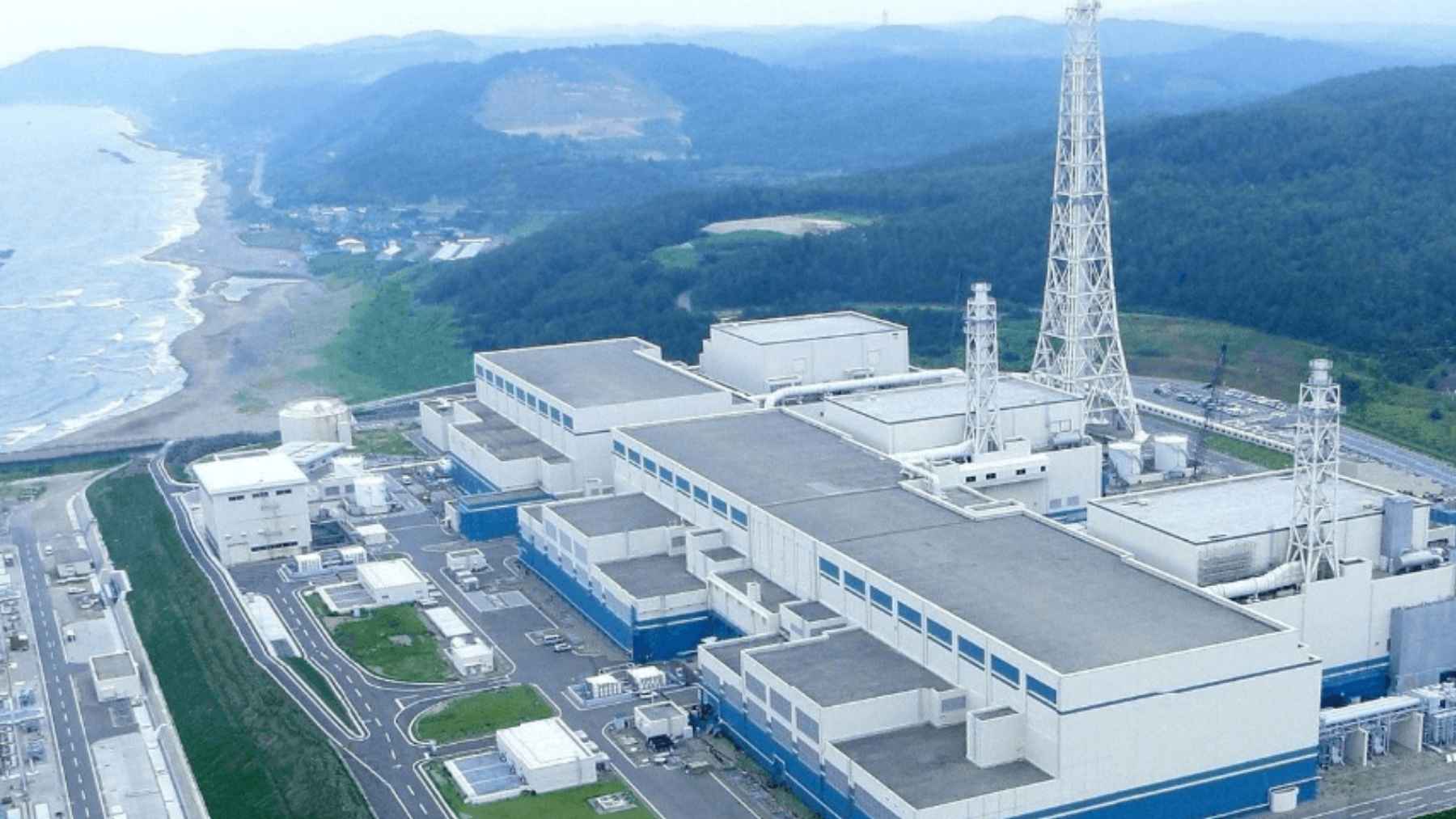
South Korea has said it will lift ceilings on coal-fired output and raise nuclear generation, while Japan’s JERA plans to keep coal at high utilization rates.
Gas was already losing ground
The market shock lands on top of a slower trend. Natural gas has been losing share in Asia’s power mix for nearly a decade, according to Ember’s electricity data, as solar and wind expanded and costs fell. In other words, gas was already being squeezed from both sides by cheaper renewables and by policy-driven climate targets.
This crisis accelerates the squeeze because it amplifies the weakest point in LNG’s pitch, which is price stability. Imported gas can look competitive when oil is cheap and shipping is calm, but it becomes a problem when a geopolitical event turns the supply chain into a bottleneck overnight. Investors hate that kind of uncertainty.
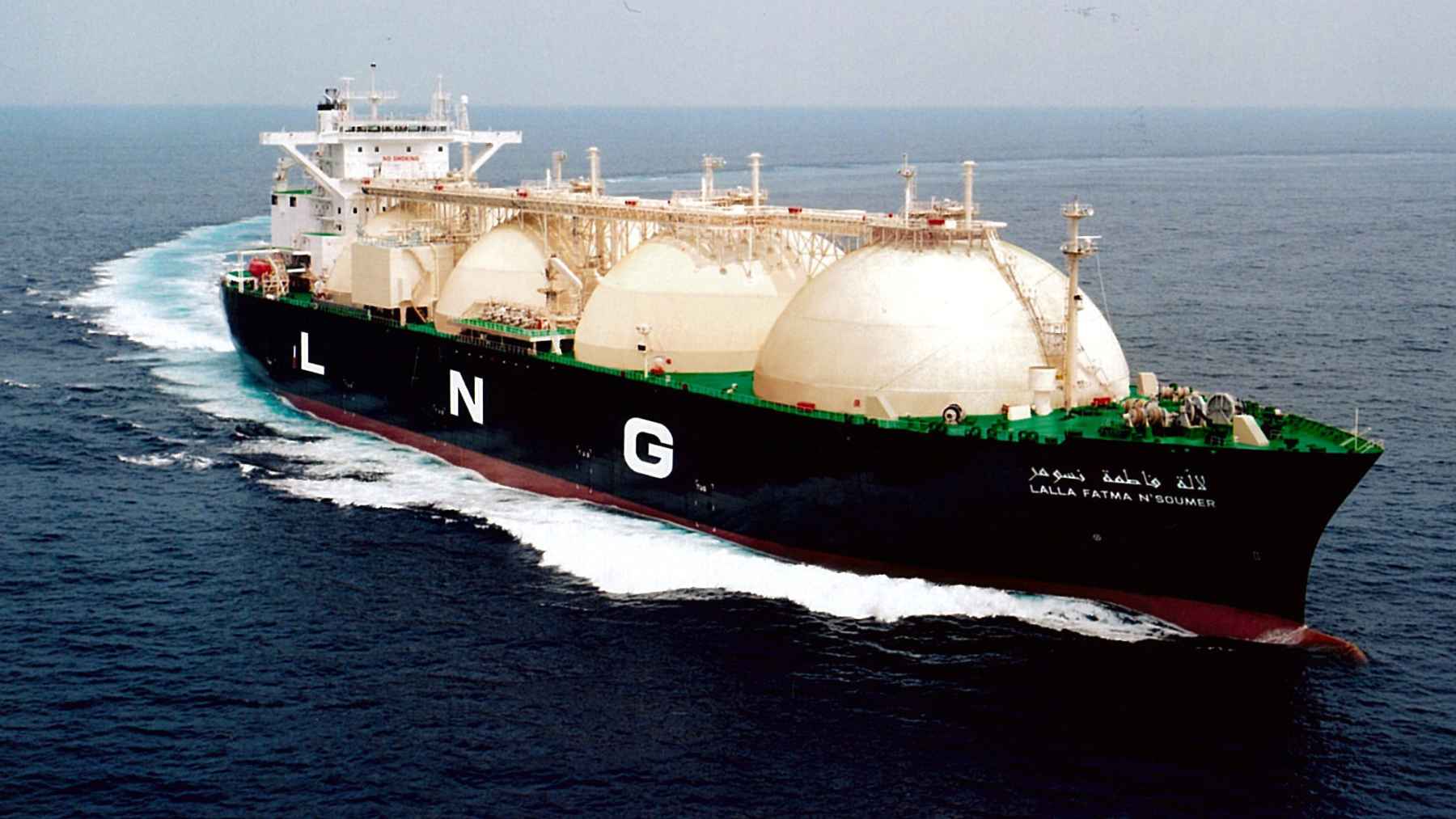
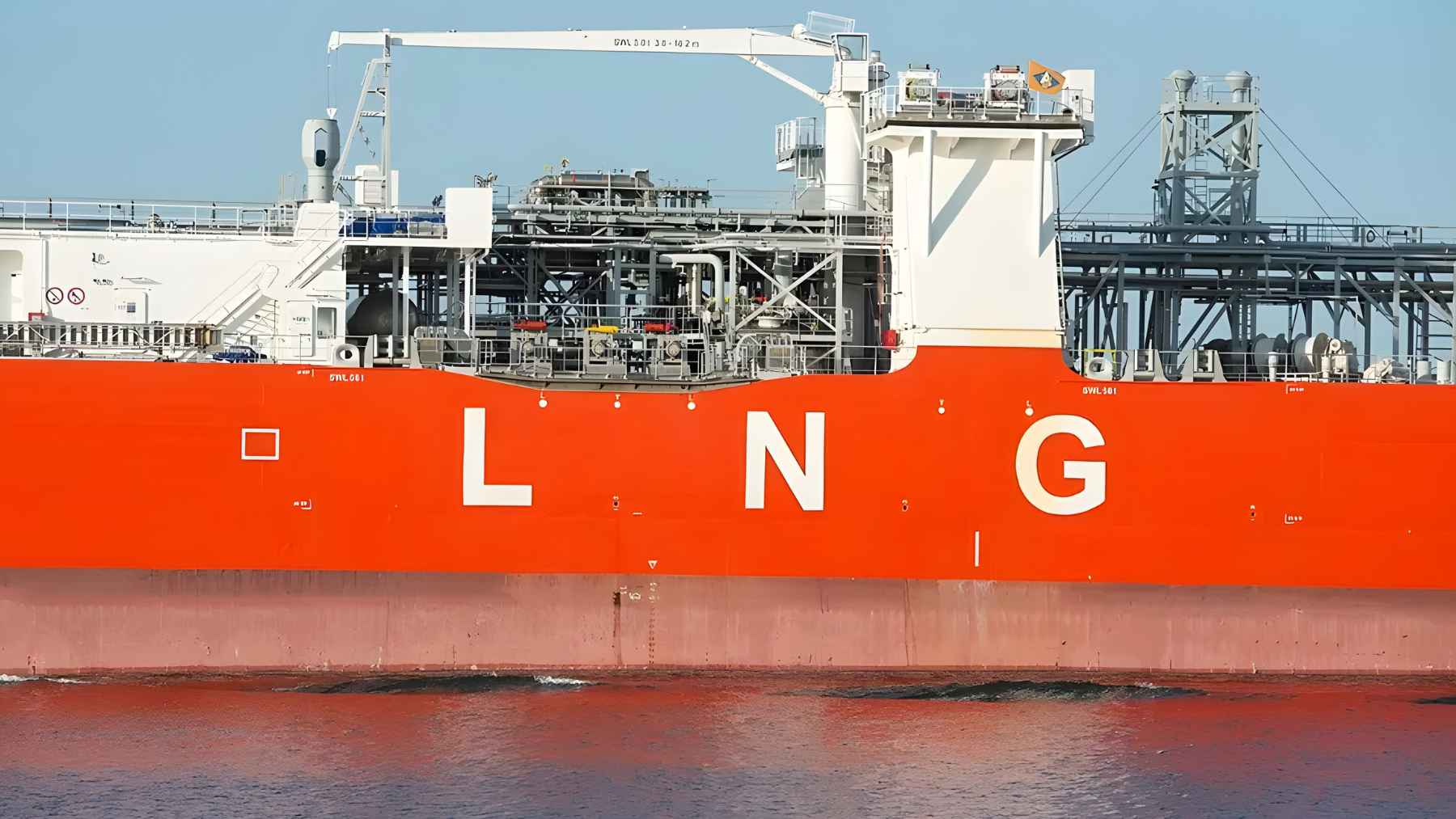
An LNG tanker at sea as supply disruptions push Asian countries to rely more on coal to meet energy demand.
The $107 billion infrastructure gamble
That is why the biggest number in this story is $107 billion. Global Energy Monitor says that amount is tied up in LNG terminals and gas pipelines that have been announced or are under construction across India, Bangladesh, and Pakistan, much of it designed to import fuel that can become unaffordable quickly.
Wood Mackenzie has warned that because many LNG contracts are indexed to oil prices with a lag, today’s crisis can become tomorrow’s higher power bills, especially for countries that cannot easily pass costs on to consumers.
If a two-month disruption is enough to cut projected Asian LNG import growth in 2026 by more than half, that changes the economics of every proposed regasification terminal and pipeline.
What business and tech should watch next
For business leaders, the most practical lesson is resilience. Energy-intensive industries, from textiles to semiconductors, are exposed not only to fuel prices but also to second-order disruptions such as shortages of helium output and higher shipping costs. When energy gets tight, inputs that feel “invisible” in normal times can suddenly matter.
Governments are also learning, again, that energy security is a defense issue. Chokepoints, naval escorts, and political alliances can decide whether gas cargoes arrive on schedule, which means the line between “energy policy” and “security policy” is getting thinner. That is not a comfortable place for import-dependent economies.
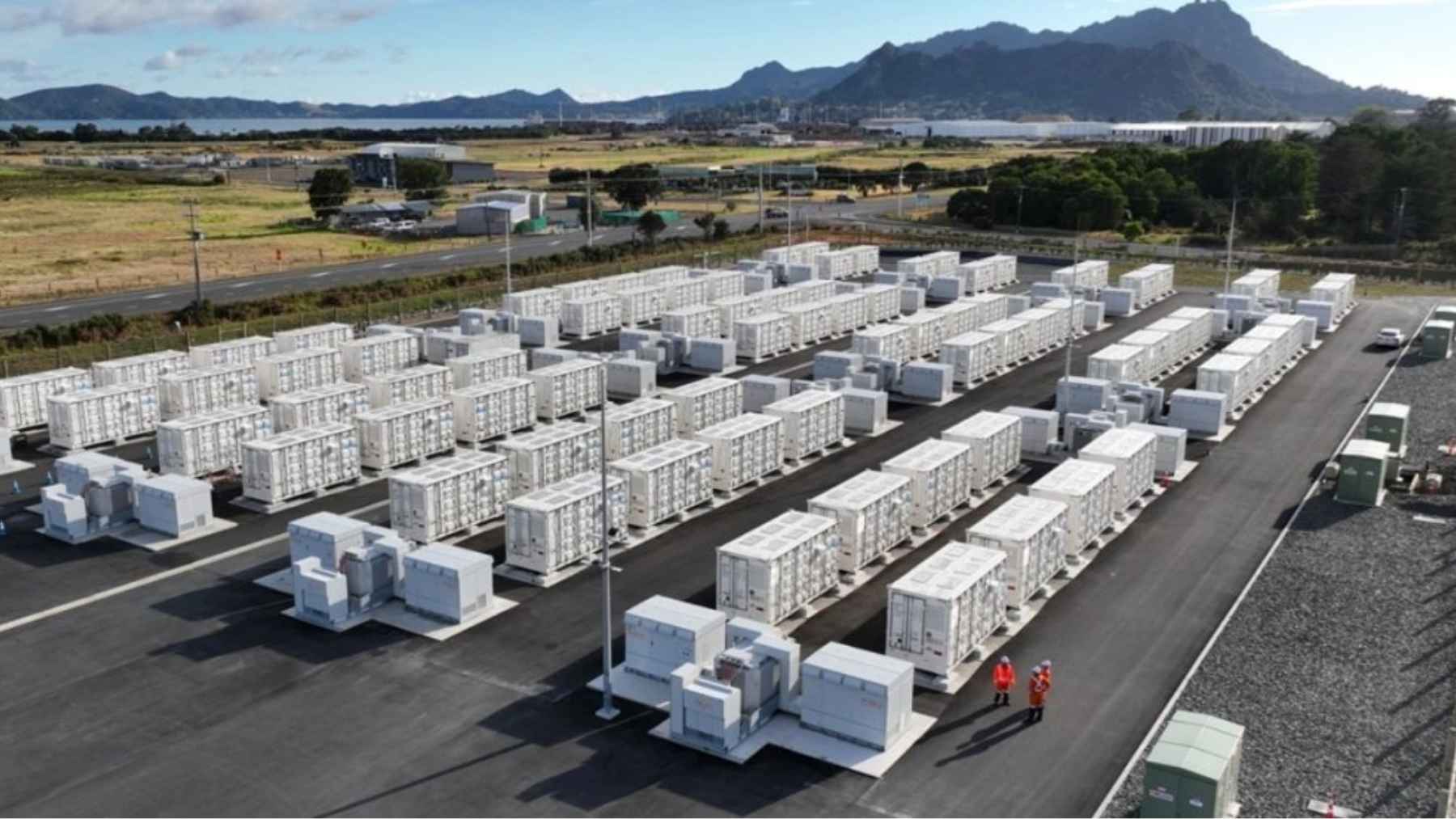
On the other hand, the crisis could speed up the technologies that make this kind of shock less painful. More solar and wind, more storage, more demand response, and more regional grid links would reduce the need to chase volatile imported fuels.
The question is whether the investment and permitting pace can match the urgency that this conflict has forced onto the agenda.
The briefing note was published on the IEEFA.