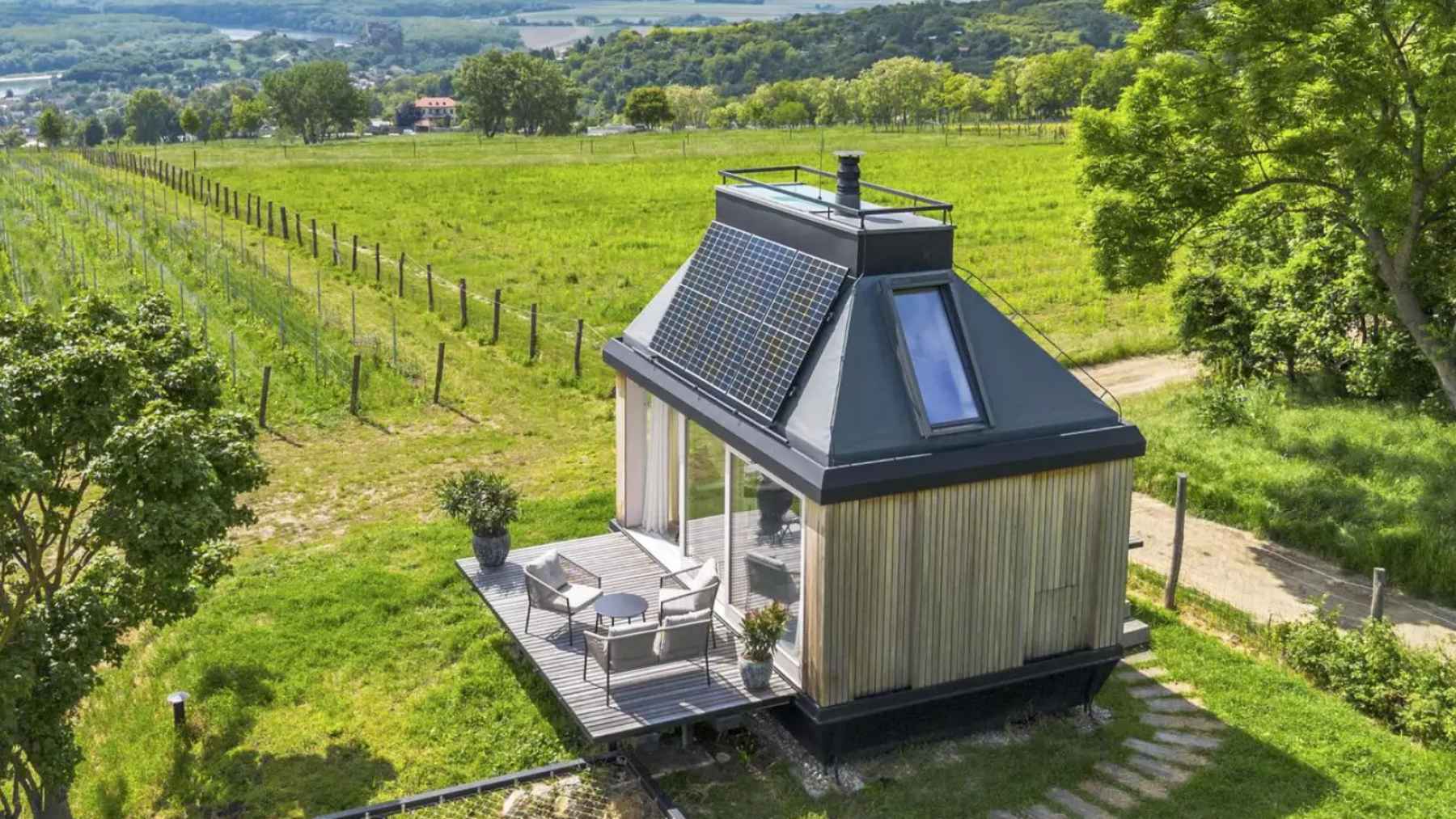
On a freezing morning in northern Wisconsin, environmental advocate Robin Greenfield wakes up in a tiny house with no insulation, no running water, and no electricity, then warms his bed with heated stones and stacks wool blankets to get moving.
After a quiet TikTok tour of that routine spread to millions of viewers, he says he hopes people rethink what “comfort” really buys us, and what it quietly costs.
It is a story about a man and a cabin-sized life. But it also lands like a mirror held up to modern living, right when many Americans are staring at their energy bills and wondering why convenience keeps getting more expensive.
In January 2026, the average U.S. residential electricity price was 17.45 cents per kilowatt-hour, up 9.5 percent from a year earlier, according to federal data.
A winter routine that millions watched
In an interview published March 24, 2026, Greenfield told PEOPLE that his viral TikTok offered a simple window into his day, from hot stones in the bed to layering heavy wool for warmth. The clip pulled attention because it shows a version of winter that most people only imagine, one where “turning up the heat” is not an option.
He also says this is not a one-off stunt. Greenfield has spent more than a decade using social platforms to talk about environmental responsibility and intentional living, and he was glad the recent video reached people as “inspiration and education.”
The backdrop matters, too. Wisconsin’s coldest month is January, and the statewide average temperature is about 15.3°F, according to the State Climate Office of Wisconsin. NOAA’s January 2026 climate report noted that during a late-month cold snap, lows in northern Wisconsin fell to minus 30 to minus 40°F.
From “millionaire by 30” to a different kind of success
Greenfield says his shift started long before the tiny home, back when he felt he was living what he called a “typical American life” centered on wealth and material markers. In 2011, he remembers aiming to become a millionaire before age 30, until books and documentaries about environmental harm pushed him to question whether his daily actions matched his values.
Instead of changing everything overnight, he describes a slow rebuild. He tackled one positive adjustment each week for two years, a kind of personal project plan that turned into a new routine.
That gradual approach is part of why the story resonates beyond social media. It frames sustainability as a series of small tradeoffs, not a single heroic leap. And it raises a practical question that many households wrestle with in quieter ways: how much are we paying to avoid inconvenience?
Time as the new currency
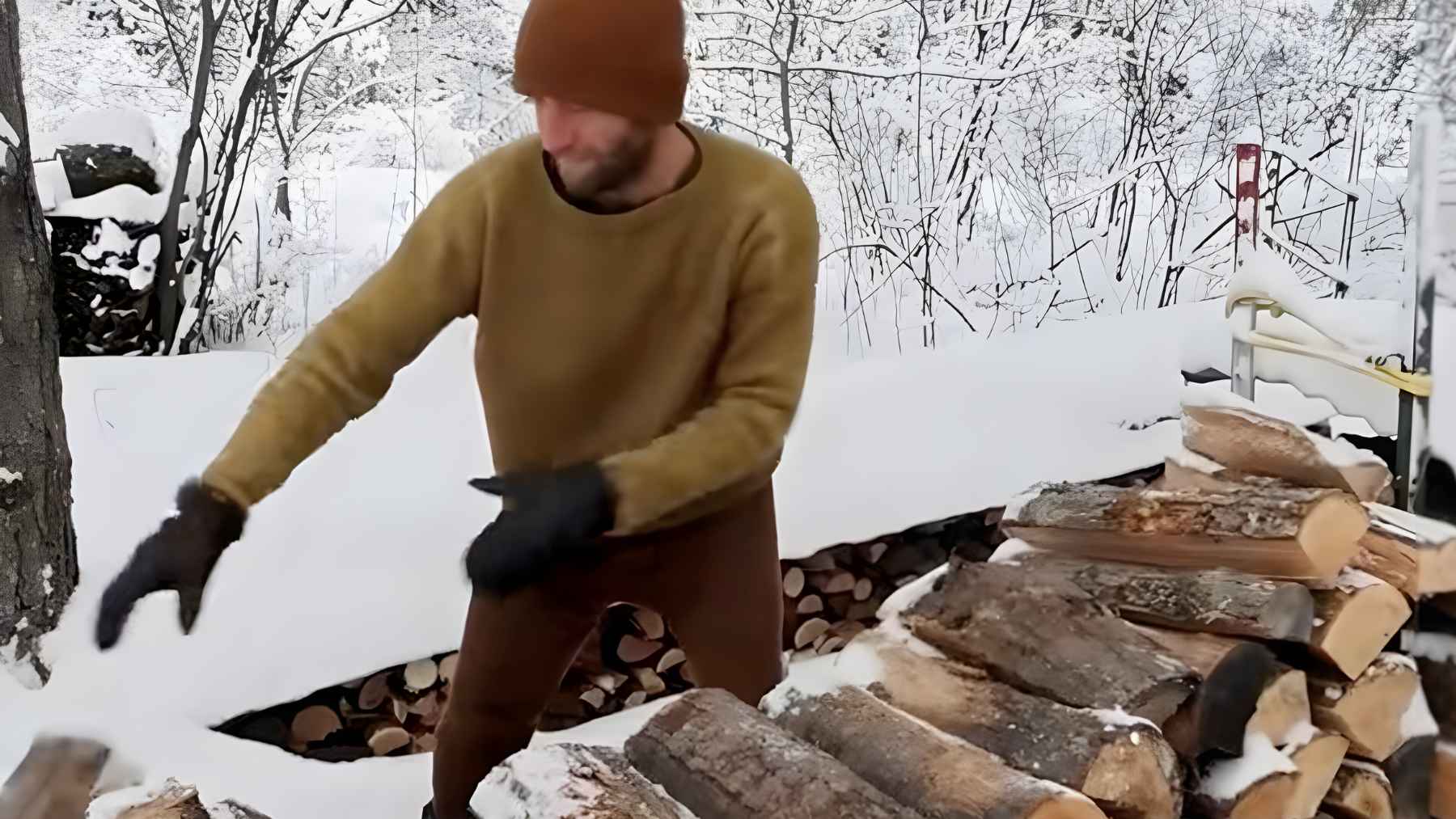
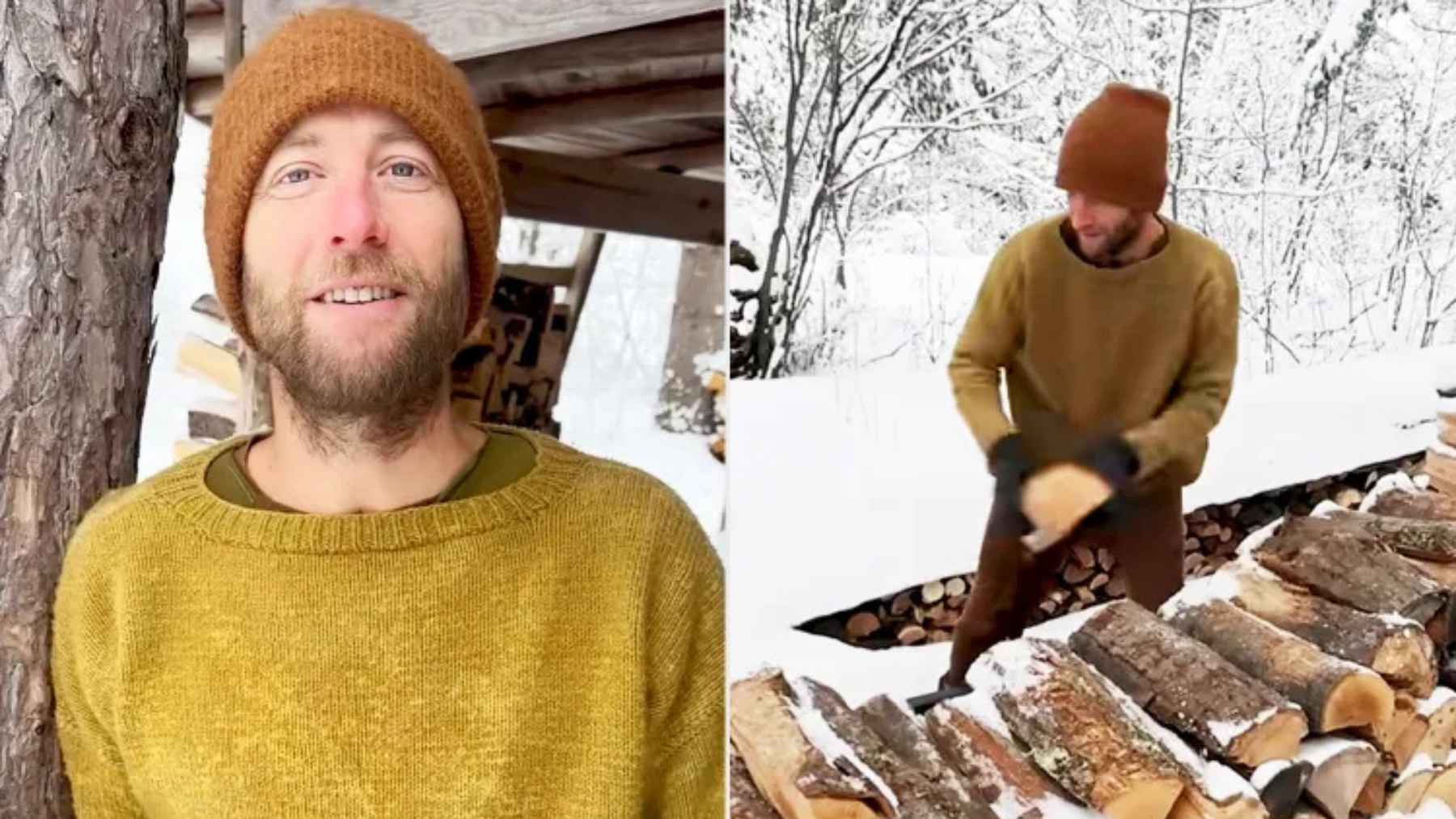
Life in an uninsulated house, especially in a Wisconsin winter, demands constant effort. Greenfield says he cuts firewood, harvests food, and prepares meals from scratch, and he argues that even basic tasks feel meaningful when you can see the work behind them.
“The way that I look at it is that a quality existence takes time,” he told PEOPLE. He adds that modern conveniences can promise comfort while also leading, in his view, to loneliness and a weaker connection to the natural world.
That tension sits right at the center of the economics of everyday life. In Wisconsin, residential electricity rates averaged about 18.30 cents per kilowatt-hour in July 2025, slightly above the north central region average, according to Wisconsin Watch citing federal figures.
Foraging 100 percent of food and medicine
Greenfield’s most ambitious project right now is to forage and grow all of his food and medicine for a full year. More than five months into the experiment, he says the process has become “surprisingly normal,” and he rarely thinks about going to the grocery store anymore.
The hard part, he says, is not the survival skills. It is balancing the time it takes to gather and process food with his other commitments, because self-sufficiency is not a weekend hobby when it is your full supply chain.
For viewers, that detail may be the real hook. Most of us experience food as a fast transaction, a quick stop after work, a delivery app when traffic is brutal. His routine forces a different mental math, and it makes the hidden labor of modern systems easier to see.
What he means by “demonetizing”
Going viral comes with skepticism, and Greenfield says some people simply do not believe his lifestyle is real. He reads that doubt as part of a broader distrust in public figures and institutions, which has become a familiar feature of online life.
He also argues that many people misunderstand what he calls “demonetizing” his life. Greenfield says it is not about eliminating money entirely, but about replacing financial transactions with skills, relationships, and community support so his needs are met in other ways.
“It’s basically looking at every single way that I’m spending money to meet my needs,” he told PEOPLE, “and building the skills or relationships” to do it differently. The tradeoff, he says, is time, but he believes the payoff can include deeper connections and a clearer sense of purpose.
Why this matters beyond one tiny home
Greenfield is careful about what he is and is not asking of his audience. He says his story is not a call for people to abandon modern life, but an invitation to reflect and to find smaller, meaningful changes that align with their own values.
“For some that might be growing some of their own food, downsizing, composting, or volunteering,” he said. Those are individual choices, but they connect to broader questions about resilience, consumption, and what we build our lives around when the lights are on and the bills still feel heavy.
As interest in his tiny house grows, Greenfield says he plans to keep sharing his experience for decades, hoping each glimpse sparks new conversations about what it means to live well.
The interview was published in PEOPLE.