Oil prices are climbing again, and this time it is not just a spreadsheet problem for traders. The International Energy Agency says the war between the United States and Iran has triggered the biggest supply shock the global oil market has ever faced, largely because the Strait of Hormuz is effectively shut.
That chokepoint normally carries roughly one-fifth of the world’s oil, so the stress is already spilling into diesel, jet fuel, and everyday inflation.
Instead of only telling governments to tap emergency stockpiles, the IEA is now talking directly to households and employers. Its new guidance reads like a crisis checklist you might see on a fridge door, with the headline idea that demand can fall faster than supply can recover. And that is why “work from home” suddenly looks less like a perk and more like a pressure valve.
Why the IEA is looking at demand, not just supply
The IEA’s warning is blunt. Releasing more oil helps, but it will not fully calm markets if the world’s most sensitive shipping lane stays constrained, and that is why the agency is pushing immediate demand cuts as the fastest relief.
There is already a supply response. The IEA said member countries agreed to make 400 million barrels available from emergency reserves, the largest coordinated release in the organization’s history, even if the timing of physical flows still matters day to day.
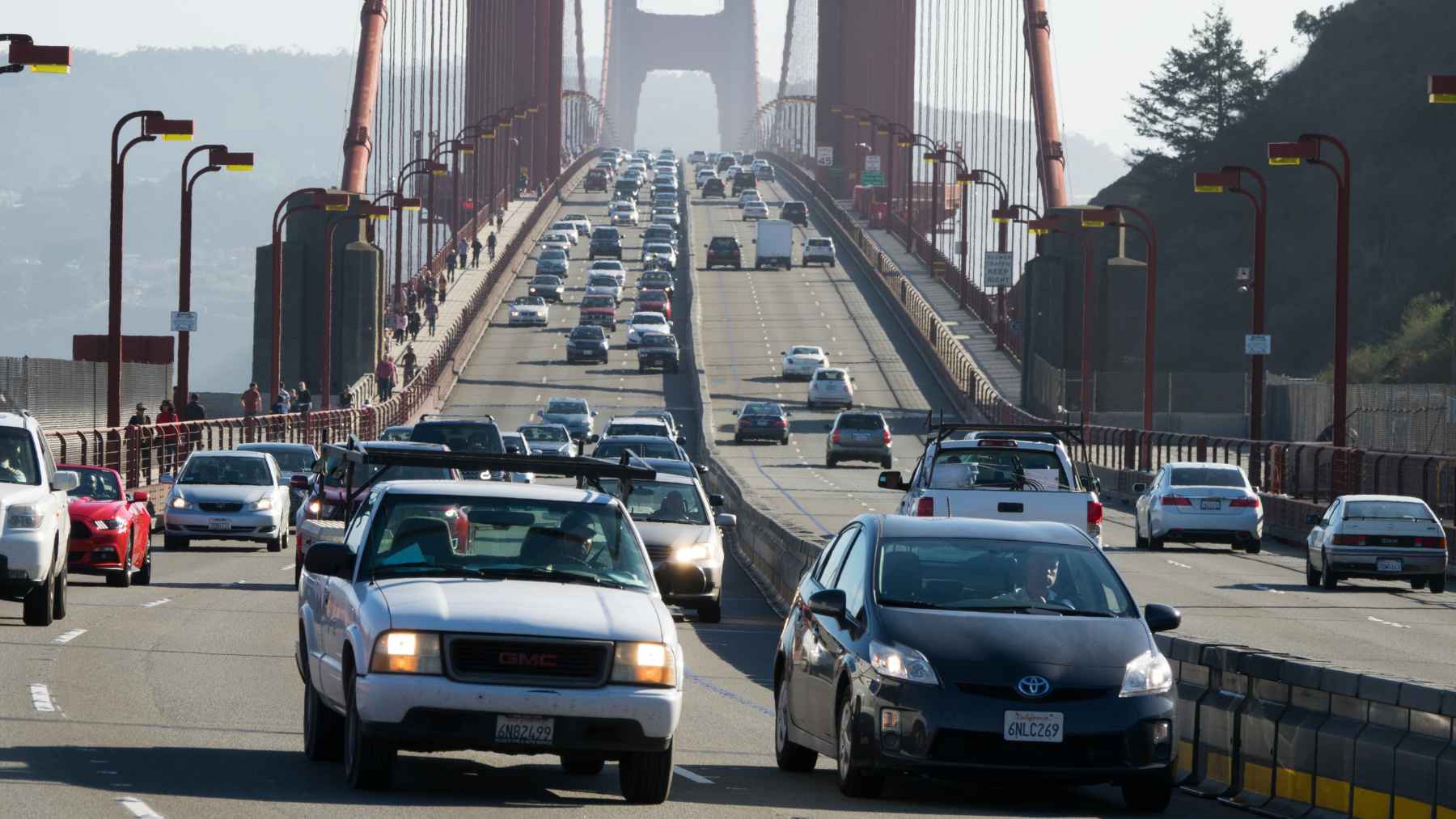
The agency’s logic is simple. Road transport accounts for a big chunk of oil use, and small changes across millions of drivers and fleets can add up quicker than reopening a major corridor under fire.
Work from home is an energy policy now
Working from home is not an option for everyone, and the IEA acknowledges that. Still, reducing commuting even part of the week can cut fuel demand in large metro areas, ease congestion, and take some bite out of peak-hour consumption without waiting for new supply.
There is also a business angle hiding in plain sight. Fewer commutes can mean fewer delivery delays and less stop-and-go traffic for commercial fleets, which is exactly where fuel burn spikes.
It also pairs naturally with “use more public transport” messaging that governments can roll out quickly when prices jump overnight.
Slower roads, fewer flights, and smarter logistics
Lowering speed limits sounds small, but it hits consumption in a way drivers can actually feel. The IEA argues that slower driving reduces fuel use across passenger cars and freight, and it can also reduce accident severity, which is an unglamorous but real secondary benefit.
The agency also flags aviation because jet fuel demand is hard to replace when prices spike. Cutting non-essential air travel and tightening logistics planning can take pressure off refiners already dealing with higher costs for products like diesel and jet fuel.
The gas stove angle, and why it surprised people
One of the IEA’s most talked-about suggestions is shifting away from gas cooking where possible. It is not about culture wars over kitchen habits, for the most part. It is about keeping liquefied petroleum gas available for essential uses and avoiding a bidding war that sends basic household energy costs even higher.
That said, there is a catch. Moving cooking demand to electricity can raise pressure on power systems, and it can show up in “the electric bill” just as families are trying to cope with higher pump prices. In practical terms, it means policymakers have to think in systems, not slogans.
What European governments are doing on taxes
European capitals are also reaching for tax tools because voters notice fuel prices instantly. Spain, for example, has signaled cuts aimed at easing the shock, including reducing VAT on fuels and lowering taxes tied to electricity bills, according to Spain’s Finance Ministry.
These moves can help quickly, but they are not free. Cutting taxes reduces revenue right when governments may need more spending for targeted support, and it can complicate longer-term climate and transport plans that were built around reducing oil dependence in the first place.
What businesses should watch next
For companies, the next risk is not only the crude benchmark on the news ticker. It is refined products, shipping insurance, and the knock-on effects in freight and inventory, especially if the energy shock drags on and disruptions spread into the physical movement of oil tankers.
Markets are also being forced to price geopolitics in real time. Brent and U.S. West Texas Intermediate have been moving sharply as traders weigh supply risks, emergency stock releases, and the possibility of wider regional spillover.
Diplomacy could still shift the path, but it is not moving in a straight line. Bahrain has pushed for action at the UN Security Council related to protecting shipping, while others have floated competing approaches, leaving businesses to plan around uncertainty rather than clarity.
The official statement was published on the International Energy Agency.