A 90,000-square-foot Amazon delivery station in Salina, Kansas, is now fully operational, and it has already processed more than 1.7 million packages in its first five months of activity. The site, known as WKS3, also reports a total employment footprint of 495 jobs once on-site roles, delivery partners, and flexible driver shifts are counted.
This is a local jobs and logistics story, but it also shows something bigger happening in plain sight. The push for faster delivery is no longer only about major metros, and the Salina Airport Authority is betting that a regional airport business park can sit at the center of that shift.
A regional airport becomes a last-mile hub
WKS3 is Amazon’s first operational site in central Kansas, serving a roughly 60-mile radius that reaches communities from Russell to Junction City and from Concordia to Newton. In its first months, the operation reportedly surged to about 14,000 packages a day during peak holiday periods, a reminder that demand spikes are not just a big-city problem anymore.
The facility also anchors the 80-acre Airport Industrial Center Subdivision No. 3, a project the airport authority has framed as a broader growth platform, not a one-off deal.
In its earlier announcement about the project, the authority described the Airport Industrial Center Subdivision No. 3 as complementary to the airport’s existing business base of more than 125 businesses and over 7,000 workers.
For a lot of residents, the facility code and the industrial park map are background noise. What they notice is simpler: shorter delivery windows, more vans on the road, and one more major employer tied into the local economy.
What a delivery station actually does
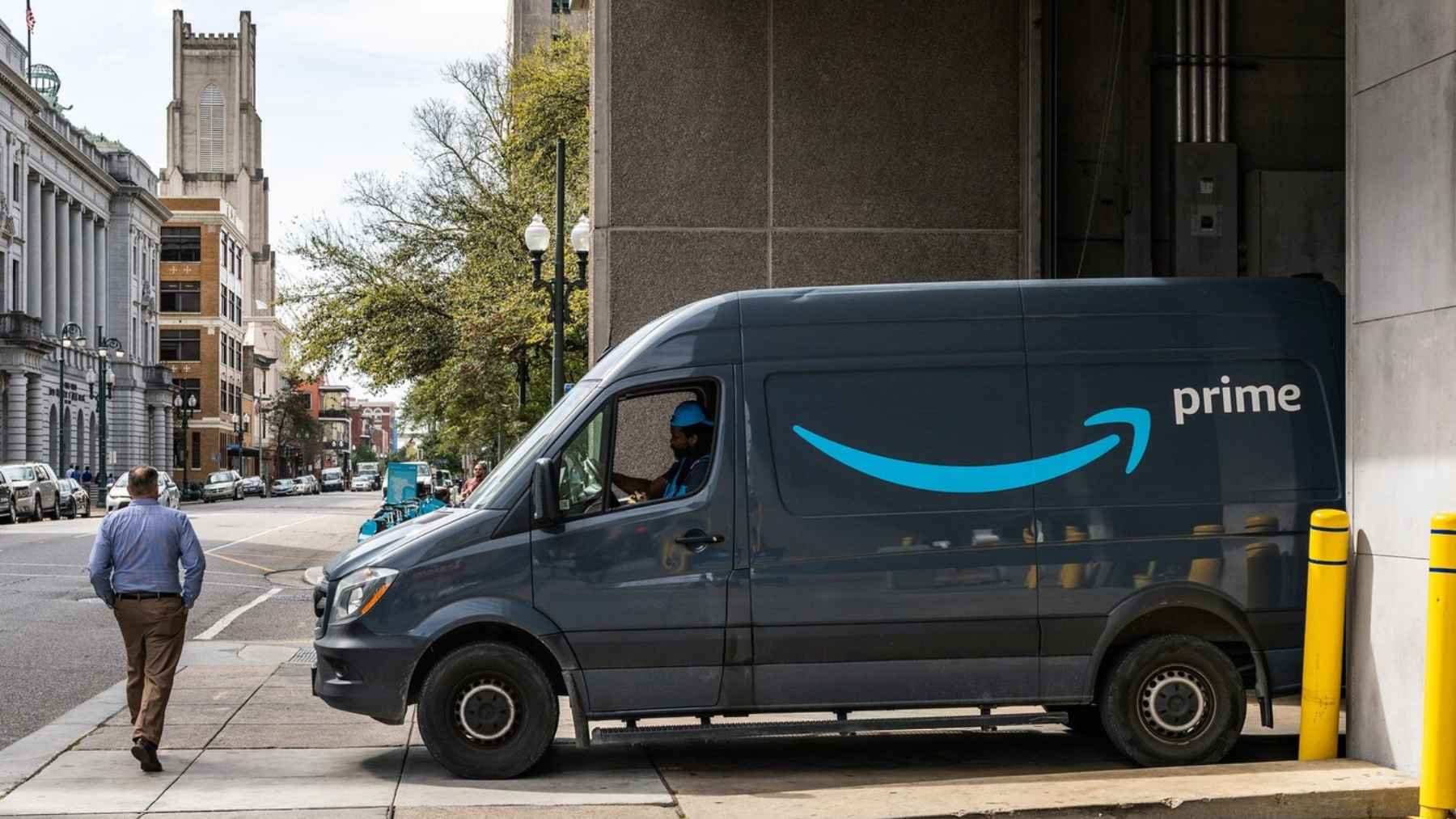
A delivery station is where packages shift from long-haul movement into neighborhood routes, which is why Amazon often describes it as part of the “last mile” of delivery. In practical terms, it is the place where orders are sorted, staged, and loaded for the final drive to homes and businesses.
That “last mile” language sounds technical, but it shows up in everyday life in a very real way, like when you order something midweek and hope it lands before the weekend.
It is also why last-mile buildouts can reshape traffic and land use, as we have seen in other regions where logistics complexes tied to last-mile delivery raise questions about roads, noise, and the pace of development.
For rural areas, the core tradeoff is distance. The closer inventory and sorting steps move toward smaller towns, the easier it becomes to shrink delivery times, but the more local communities feel the footprint in trucks, vans, and shifting land demand.

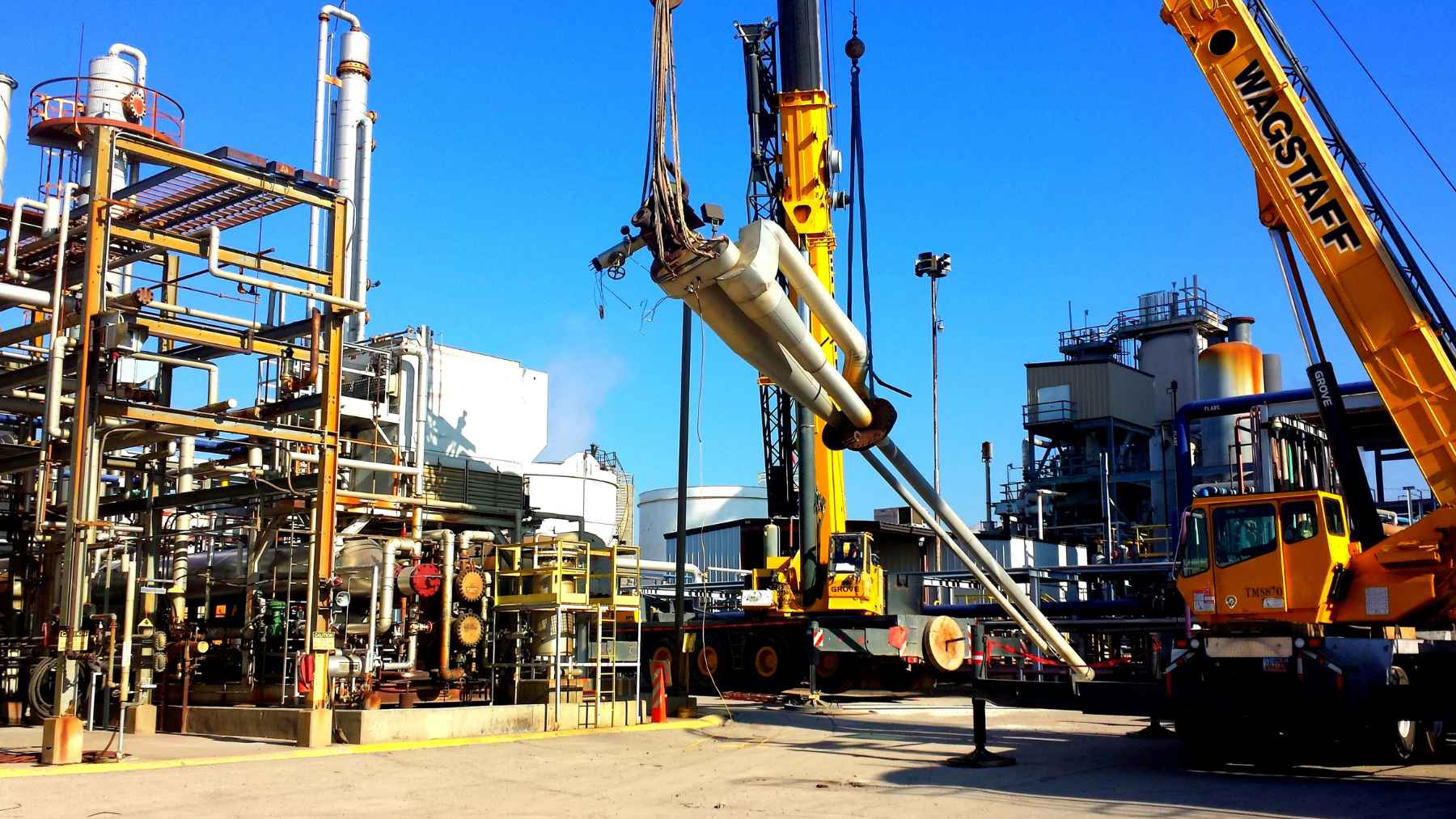
Precision Logistics: Advanced technology powers the sorting and tracking systems that allow Amazon facilities like WKS3 to process 14,000 packages daily.
Jobs, but not all the same kind
The headline figure of 495 jobs matters, but it includes different categories of work that do not always look or feel the same. Amazon has said that 220 are “on-site” roles at the station, while the remainder includes delivery partners and flexible driving shifts that can expand or contract with demand.
That mix is increasingly common in modern logistics, where a single facility can support direct hires, contractors, and gig-style shifts all at once. It can also make local impact harder to measure because the work is real, but the job structure is fragmented and changes week to week.
If you have ever relied on app-based work to bridge a gap between paychecks, you know the upside and the uncertainty. In Salina’s case, the company points to its network of delivery partners and Amazon Flex drivers as part of how it scales capacity during peak periods without building a permanent workforce for holiday volume year-round.
Why rural delivery is getting investment now
Amazon’s bet in places like Salina is tied to a broader strategy to reduce delivery times outside major population centers. The company has argued that faster Prime delivery is becoming a competitive baseline, not a luxury, and it has leaned into expansions that bring more packages closer to customers in smaller communities.
There is also a business logic behind the scenes that goes beyond convenience. When networks get denser, companies can improve routing efficiency and reduce the cost per delivery, but they also become more exposed to the kinds of disruptions that ripple through supply chains, from trade policy to staffing constraints.
And staffing is not a footnote here. Delivery speed ultimately depends on people who can legally drive, safely operate vehicles, and stay in the workforce, which is why debates about trucking rules and labor pipelines, including new requirements affecting truck and bus drivers, can quietly shape what “fast delivery” really looks like on the ground.
What Salina should watch next
The airport authority has emphasized that this is not the end of development in the subdivision, noting that additional land is positioned for quick construction near Interstate access.
That creates opportunity, but it also raises practical questions that show up in daily routines, like whether local roads handle heavier vehicle flow smoothly or whether backups start to feel like a new normal.
Industrial growth can also bring secondary effects that are easy to underestimate at first. More freight activity can mean more maintenance pressure on roads and more demand for drivers, equipment, and staging space, the kinds of details that become obvious when large loads and truck logistics collide with real-world traffic constraints.
There is also the land question. With more development potential nearby, local planners and residents will likely watch how quickly surrounding parcels move, what types of tenants arrive next, and how the community balances job growth with quality-of-life pressures.
For readers looking for the granular real estate angle, the authority has pointed to a public listing with additional property details tied to nearby development opportunities. Job information is typically routed through Amazon’s job portal, where listings can shift as operations scale.
The official statement was published on About Amazon.