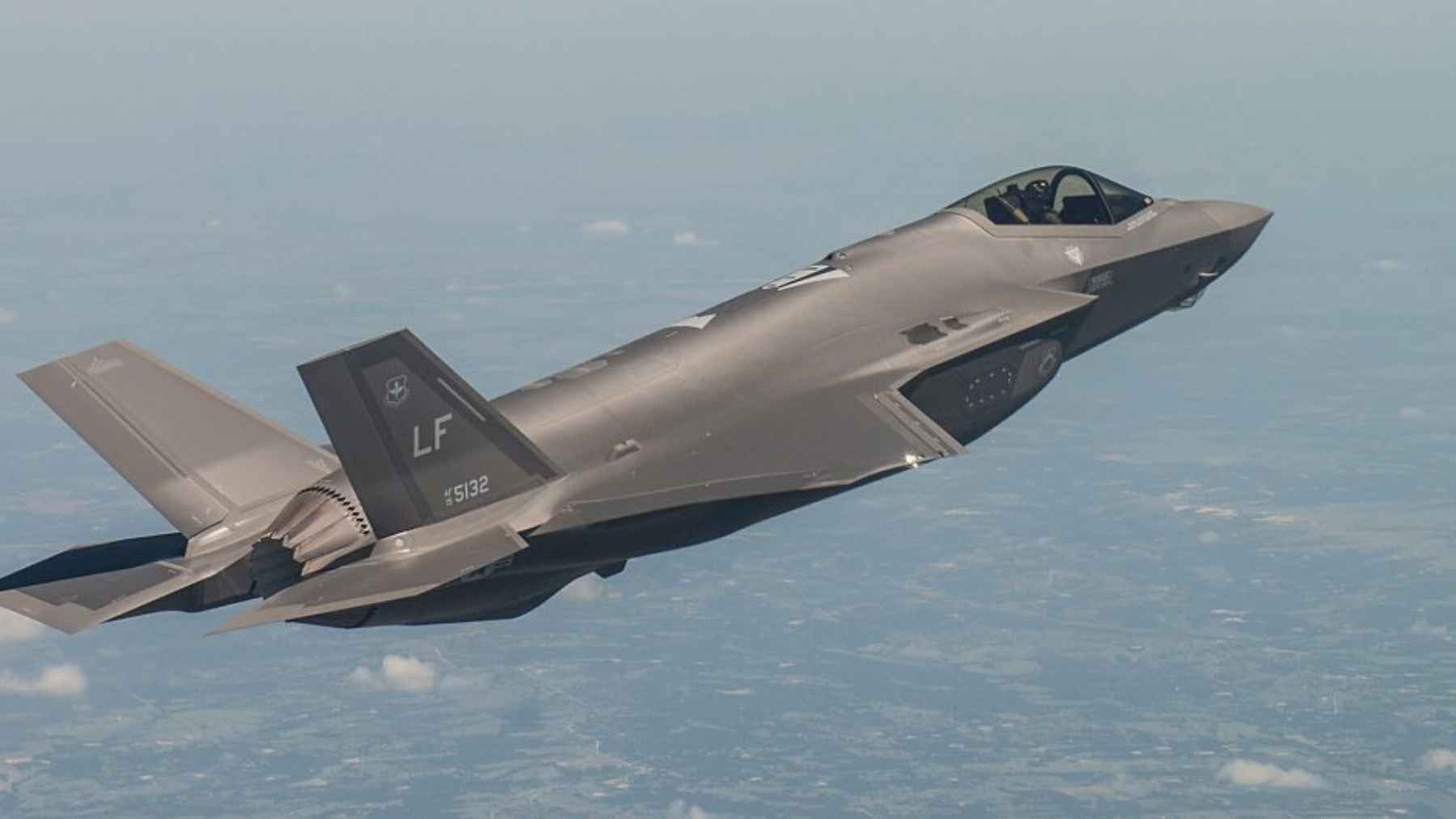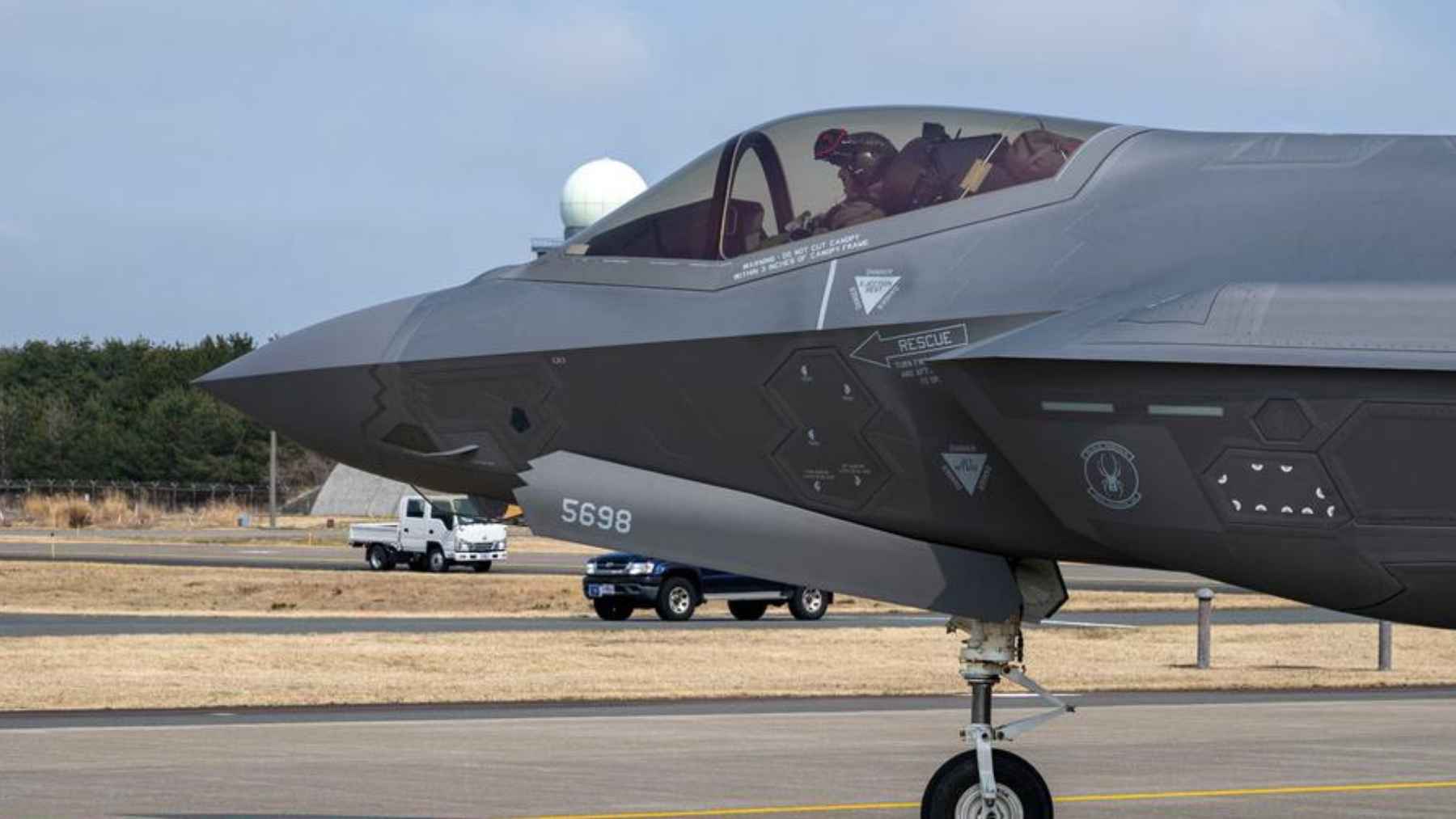
A small but important shift just happened in northern Japan. Over the weekend, an undisclosed number of U.S. Air Force F-35A Lightning II fighters arrived at Misawa Air Base, marking the start of a permanent transition away from the F-16s that have long operated there.
It is a big headline for regional deterrence and for the U.S.-Japan alliance. But the real story, the one that will decide whether this move pays off, is less cinematic and more familiar to anyone who has dealt with delayed parts or software updates. Can the F-35 actually stay ready at the pace the Indo-Pacific demands?
What arrived and why it matters
The jets that touched down at Misawa were assigned to the 13th Fighter Squadron, and the arrival on March 28 signals the beginning of the squadron’s shift to fifth-generation aircraft. The Air Force described it as the “permanent stationing” of its most advanced tactical aircraft in northern Japan.
Misawa’s commander put the message in plain terms. “Bringing the F-35 to Misawa underscores our long-standing commitment to Japan and the region,” Col. Paul Davidson said, adding that it strengthens the ability to respond quickly with Japanese partners.
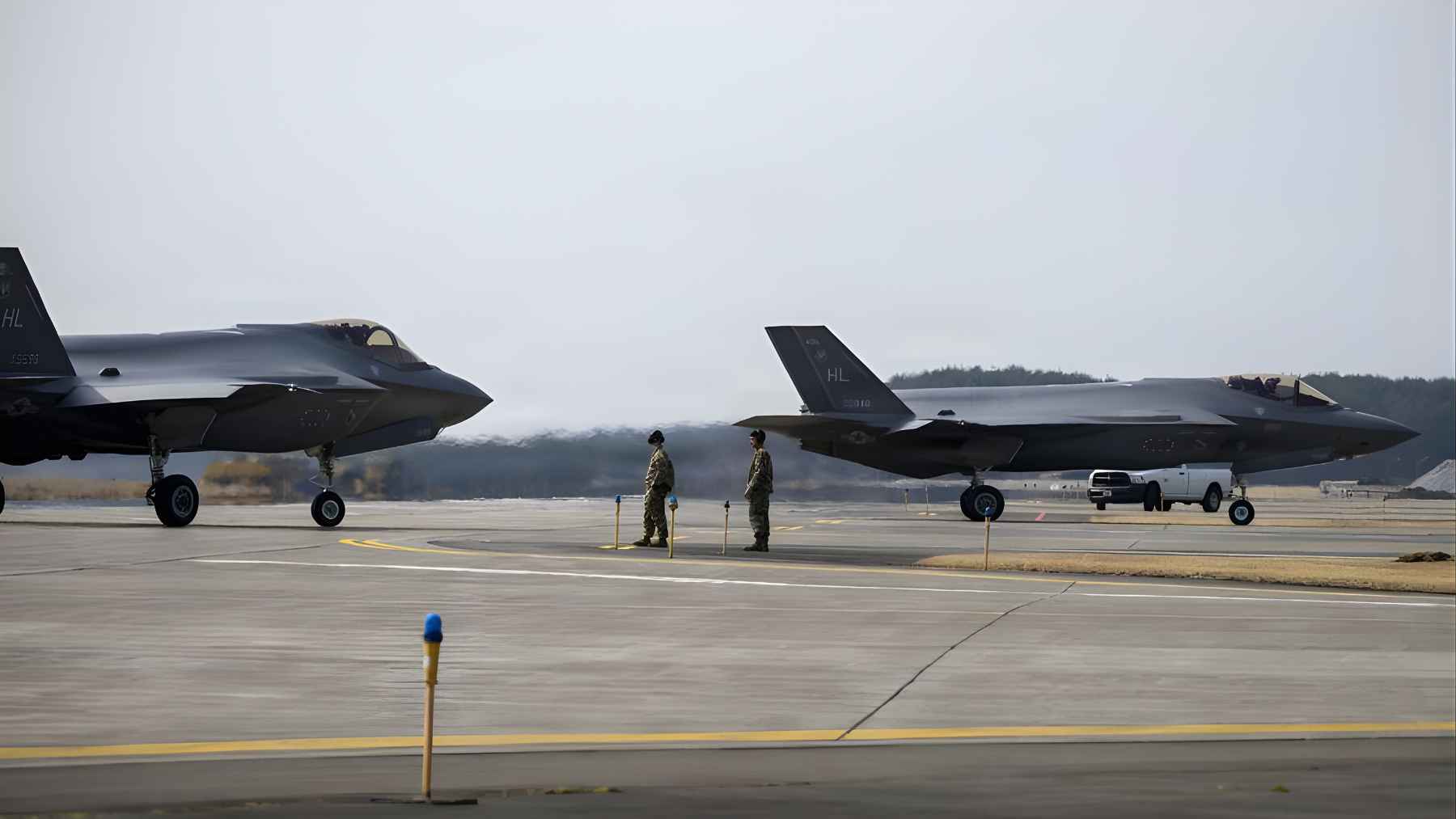
If you are wondering why this base, look at the map. Misawa sits at the northern tip of Honshu, and it is also a shared installation with Japan’s Air Self-Defense Force, which has operated its own F-35A fleet there since 2018. That co-location matters because integration is easier when people train, plan, and troubleshoot on the same ramps.
A broader U.S. reshuffle across Japan
Misawa is not a one-off upgrade. The Pentagon announced in July 2024 that it would modernize tactical aircraft based in Japan across multiple installations, describing more than $10 billion in capability investments over the coming years.
That plan includes upgrading Misawa from 36 F-16C and D aircraft to 48 F-35A aircraft, and it also includes changes at other key locations. Kadena Air Base is slated to transition from 48 F-15C and D aircraft to 36 F-15EXs, while the Marine Corps will adjust the number of F-35B aircraft at Marine Corps Air Station Iwakuni as part of its force design modernization.
The strategic language is direct, and it is aimed at reassurance as much as it is at capability. The Department said the plan shows an “ironclad U.S. commitment” to Japan and a shared vision for a “free and open Indo-Pacific region.”
Why the F-35A fits Misawa’s mission set
Misawa’s 35th Fighter Wing is known for “Wild Weasel” missions, a specialized job focused on suppressing and destroying enemy air defenses. In simple terms, it is the mission you want when airspace is contested and someone is trying to deny access with radars and surface-to-air systems.
The Air Force is leaning into the idea that the F-35 is built for this kind of work. Lt. Col. John Widmer, who commands the 13th Fighter Squadron, summed it up with a line that almost sounds like a product review, but it captures the concept. “The F-35 was tailor-made to be a weasel platform,” he said.
What he is pointing to is the aircraft’s sensor fusion and its ability to collect and share information quickly. That matters in modern air defense environments, where “seeing first” can be just as important as raw speed or payload, and where one aircraft often acts like a quarterback for a bigger team.
The numbers are clear, the logistics are not
The Air Force plan is straightforward on paper. Misawa is moving from 36 F-16 Fighting Falcons to 48 F-35As, meaning more aircraft capacity along with a newer generation of sensors and survivability.
But jets do not arrive alone, and Misawa has been building the support structure around them. Stars and Stripes reported that the wing stood up a new 35th Munitions Squadron in June using 225 airmen previously assigned elsewhere, specifically to prepare for the new aircraft.
The Air Force also says the base spent months on formal training, infrastructure updates, and coordination to ensure it can generate and sustain combat-ready aircraft. That is the unglamorous side of deterrence, the part that looks like crates, checklists, and long nights on the flight line.
The readiness question that will not go away
This is where the story gets complicated. The F-35 is widely treated as a centerpiece program for U.S. airpower, but watchdog reports have repeatedly highlighted sustainment and availability problems across the fleet.
In an April 2024 report, the Government Accountability Office said projected sustainment costs increased 44%, rising from about $1.1 trillion in 2018 to about $1.58 trillion in 2023. GAO also said overall availability has trended downward over the past five years, and none of the F-35 variants are meeting availability goals.
GAO also offered a number that hits home for anyone thinking about budgets. It said DOD estimates the Air Force will pay about $6.6 million per aircraft per year to operate and sustain the jet, which is well above the original $4.1 million target.
Software delays are now an operational factor
The F-35 is not just a stealth aircraft: it is a flying software system, and that reality has consequences. When core upgrades slip, deliveries slip, and that can ripple outward into training pipelines and fielding schedules.
Defense News reported that the U.S. government stopped accepting deliveries of new F-35s in July 2023 because of delays tied to Technology Refresh 3, and that the halt lasted a year until July 2024. The same reporting described how aircraft were stored while officials worked toward a version of the upgrade that could lift the pause.
It is a reminder that modern deterrence is not only about what shows up on a runway. It is also about whether updates, parts, and repair capacity move fast enough when the stakes are higher than the average consumer tech rollout.
What to watch as the transition continues
In the near term, the key question is simple. How quickly does Misawa move from a first arrival to a fully transitioned force that can deliver consistent day-to-day readiness, not just a strong first impression?
It is also worth watching how the U.S. and Japan capitalize on the fact that both operate F-35As from the same base. Co-location can speed up integration, but only if sustainment systems and training capacity keep up with the aircraft’s demands. The F-35 arrival is the headline. The readiness curve that follows is the verdict.
The official press release was published on the U.S. Air Force.