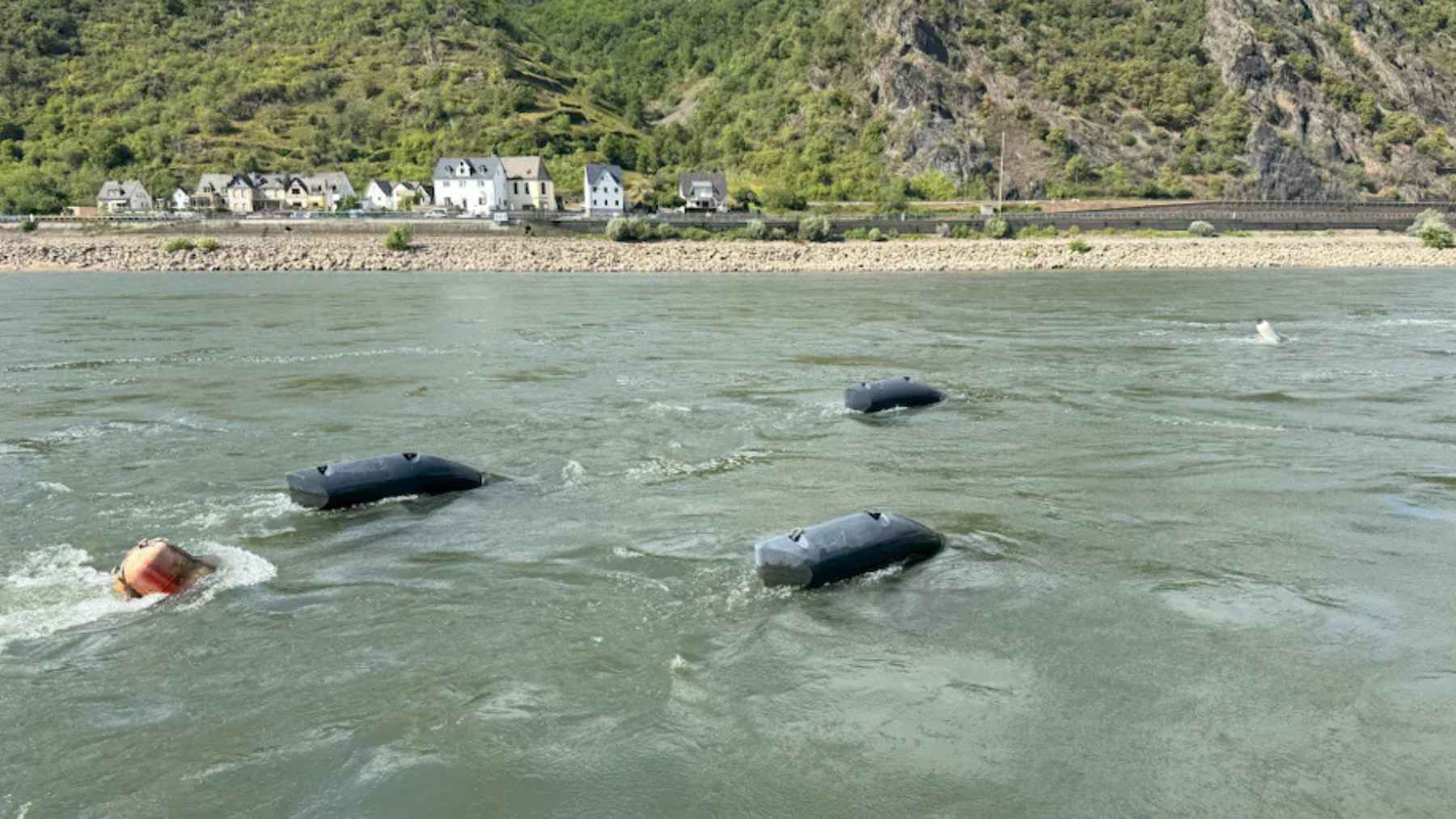
What happens when the sun goes down and the wind drops? That simple question sits behind a new energy project on Germany’s Middle Rhine, where Rhineland-Palatinate has approved what it calls the world’s first “Energyfish” swarm power plant in a side channel near Sankt Goar.
The plan is to scale up to 124 floating micro-power units. Three are already in the water, and 21 more are set for the next phase. State officials say the project could supply electricity to more than 460 households, with generation costs in line with wind and solar.
In practical terms, this is not really a story about one more renewable gadget. It is a test of whether river current can help cover the quiet hours that solar panels and wind turbines cannot always handle. Rivers keep moving at night.
They also keep moving on those gray, still days we all know too well. For homes, towns, and local grids, that matters. The electric bill does not pause for bad weather.
Why Sankt Goar makes sense
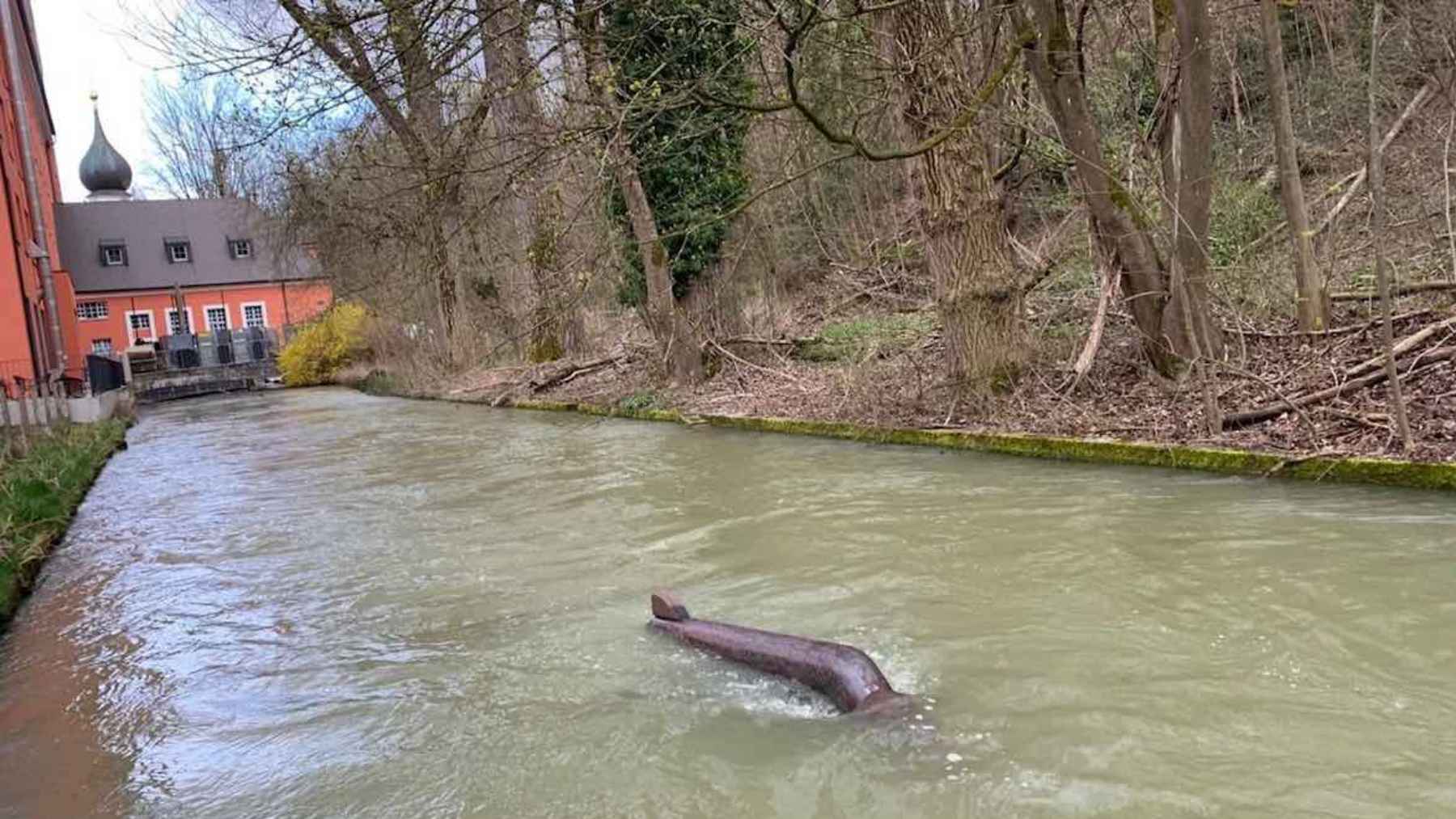
Sankt Goar was not picked by accident. According to the state ministry, this stretch of the Rhine reaches flow speeds of 1.5 to 2 meters per second (about 3.4 to 4.5 mph), which gives the technology the steady push it needs.
Energyminer says each unit is about 2.8 by 2.4 meters (about 9 by 8 feet), weighs roughly 80 kilograms (roughly 176 pounds), and can reach a maximum output of 6 kilowatts.
The company’s idea is straightforward. Anchor the devices to the riverbed, let the natural current spin the rotors, and feed the electricity ashore without a dam, major concrete works, or bulky machinery on the surface.
The scale test begins
Of course, the hardest question is not engineering alone. It is ecology. Hydropower projects often run into concerns about fish migration and damaged habitats. That is why Energyminer’s pitch depends so heavily on low-impact operation.
The ministry says a Technical University of Munich study found the Energyfish did not injure fish or negatively change their behavior. It also says the units are barely visible, almost silent, and do not create the kind of river blockage associated with traditional dams.
Energyminer adds that the devices can sink automatically during high water or ice while continuing to operate.
At the end of the day, Sankt Goar looks like a “proof of scale” moment more than anything else. Renewables already account for about 64% of gross electricity generation in Rhineland-Palatinate, backed by 4.3 gigawatts of wind and 5.2 gigawatts of solar, according to the ministry.
So this river project is not about replacing the big players. It is about seeing whether free-flowing water can become a useful supporting source, one that keeps working when the weather turns quiet. That is the real story here.
The official statement was published by the Rhineland-Palatinate Ministry for Climate Protection, Environment, Energy and Mobility.