California has spent the last few years pitching the Salton Sea region as “Lithium Valley,” a place where geothermal brine could power turbines, pull out battery minerals, and kickstart a new industrial hub in one of the state’s poorest counties.
It is a compelling story on paper, with clean power, domestic supply chains, and thousands of promised jobs all pointing in the same direction.
But in early 2026, the lithium still is not flowing at commercial scale. And the closer you look, the more the delays seem to come from a pileup of issues that have nothing to do with slogans, including messy chemistry, low commodity prices, federal permitting timelines, and an uncomfortable local reality where water, air quality, and trust are already under strain.
A strategic mineral
Lithium is not just an electric vehicle story anymore, even if that is what put it on the public map. It sits inside smartphones, grid-scale storage batteries, and a growing list of critical systems that businesses and governments do not want to rely on overseas supply chains to keep running.
That is why the Salton Sea’s geothermal brines attracted so much attention in the first place. The pitch was simple and powerful, with state leaders arguing that California could both fight climate change and strengthen domestic manufacturing at the same time, even as Gov. Gavin Newsom acknowledged past failures, saying, “I can’t make up for the last 40, 50 years.”
The tech hurdle
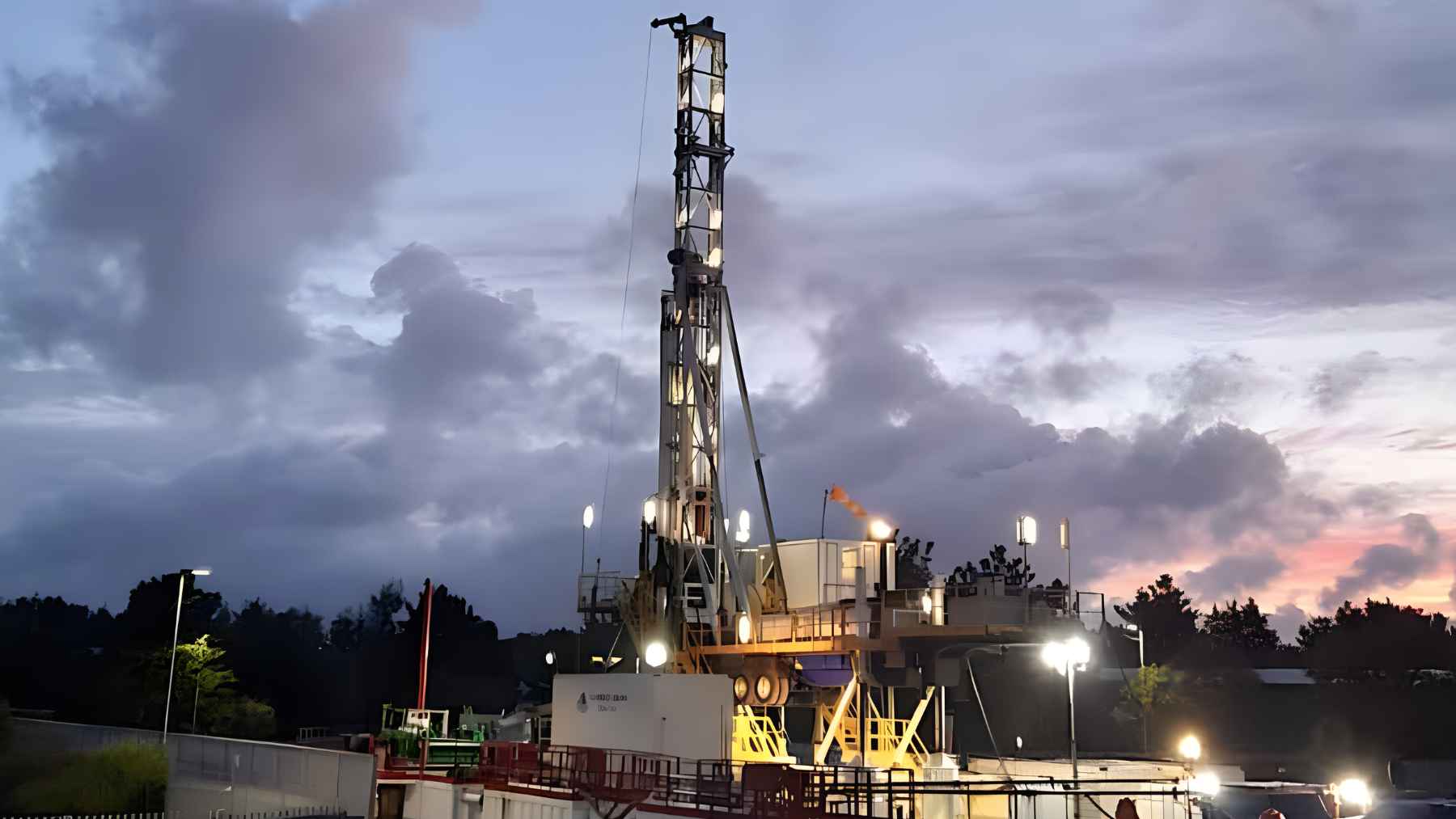
Pulling lithium from geothermal brine sounds clean, but it is also finicky. Unlike open-pit mining or large evaporation ponds, the Salton Sea approach aims to extract lithium from hot, extremely salty brine that comes up from deep underground, often around 1 mile, or about 5,280 feet, below the surface.
In practice, that brine can carry dissolved solids that clog equipment and slow progress. One major operator, BHE Renewables, built a pilot facility near the sea but found that solids in the brine gummed up the system designed to filter out lithium, and the company has warned there is “no guarantee” its project will advance to a commercial phase.
Markets and permits
Even when the science works, money still has to show up, and timing matters. Lithium prices have dropped from earlier peaks, and lower prices tend to cool investor appetite for expensive first-of-a-kind industrial facilities, especially when nobody can point to steady, profitable output yet.
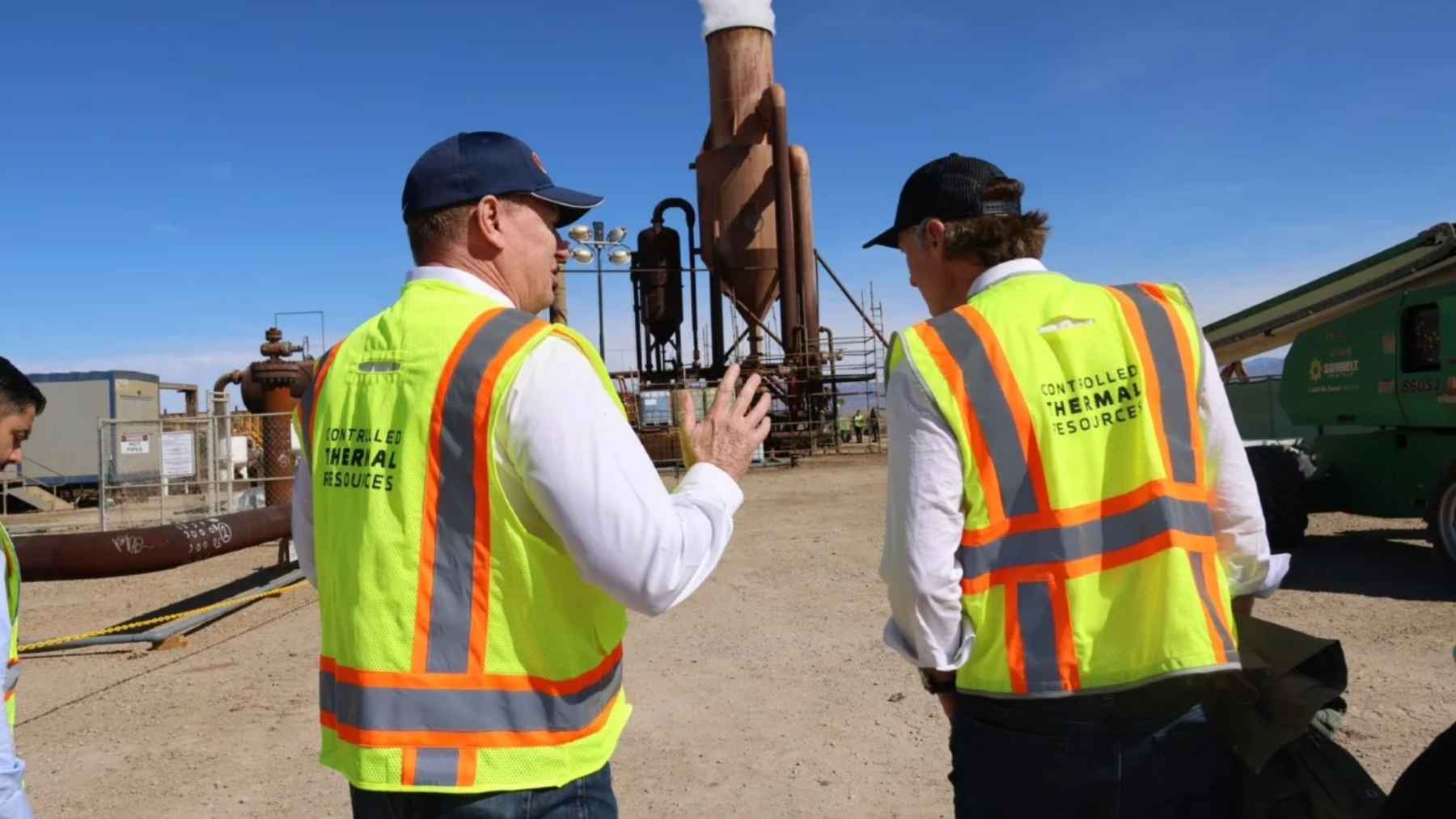
On the permitting side, Controlled Thermal Resources, or CTR, has leaned heavily into the national security and infrastructure argument.
Its Hell’s Kitchen Critical Minerals and Power Project was added to the federal FAST 41 permitting program in June 2025, but local reporting suggests key permits still have not been issued, which keeps the whole schedule on a slower track than early boosters implied.
The AI pivot
Here is where the story gets more complicated, and more modern. CTR’s CEO Rod Colwell has increasingly emphasized not only lithium, but also geothermal electricity and other minerals, while pitching the region as a potential power source for data centers tied to artificial intelligence.
That shift may sound like smart business, and to a large extent it is. But it also changes what “Lithium Valley” looks like on the ground, because a landscape built around EV supply chains can quickly turn into a broader industrial buildout where massive power users compete for the same limited infrastructure.
Water and power
For Imperial Valley, water is not an abstract policy debate. It is the lifeline for the farms that help feed millions of Americans, and it is tied to the Salton Sea itself, since agricultural runoff helps sustain what is left of the lake.
Local officials have warned that large industrial expansion could force hard choices.
County analysis has suggested that thousands of acres of farmland may need to be retired to make room for data centers, battery facilities, and new geothermal development, while the Imperial Irrigation District has cautioned that the water and power demands of these projects could “so significantly change” its system that detailed planning is not straightforward.
Dust, health, and trust
Residents are also weighing the risk that less farming could mean a smaller Salton Sea, and a larger exposed lake bed that becomes dust when desert winds kick up. That is not just a quality-of-life problem, it is a public health one, and parents in the region do not need a white paper to understand what dusty air feels like on the drive to school.
In April 2026, researchers reported results from a long-term study that followed 369 children for about two years and found slower lung function growth among kids living within 11 kilometers, or about 6.8 miles, of the Salton Sea.
The impact was described as comparable to living within 500 meters, or about 1,640 feet, of a freeway, which is a comparison that hits hard when you picture how close many rural homes are to open land and windblown dust.
Lawsuits and local leverage
The legal fight around Lithium Valley has also become a proxy war over who gets protected and who gets paid. Two groups, Earthworks and Comite Civico del Valle, sued over what they argued was a flawed environmental review that downplayed pollution sources, health risks, and the difficulty of securing water as the Colorado River system continues to tighten.
The county and CTR have pushed back, framing the dispute as a money issue, especially around a proposed annual fee of $2.75 million tied to water consumption and routed through a local authority.
Critics have used the word “extortion,” while supporters argue community benefit agreements are a way to make sure development does not repeat the old pattern of outsiders taking the upside while locals get stuck with the dust.
The jobs question
Imperial County’s need for durable jobs is not in dispute. A 2022 state-linked commission report put the region’s poverty rate at 18.1%, and local leaders have spent years trying to turn clean energy into something residents can actually feel in their paychecks, not just see in transmission lines running out of the valley.
But even optimistic experts urge patience. Permitting, equipment procurement, workforce training, and financing can take years, and battery manufacturing itself requires specialized, high-speed processes that are not instantly teachable, even if nearby universities expand science and engineering programs.
What to watch next
So what would real progress look like, beyond another round of optimistic headlines? First, the companies have to prove they can run direct lithium extraction reliably at scale, not just in small batches, while managing waste streams and protecting geothermal performance.
Second, Imperial Valley needs a realistic plan for water, power, and air quality that is not built on best-case assumptions.
At the end of the day, this is what determines whether “Lithium Valley” becomes a sustainable industrial corridor or another promise that leaves locals paying the price through higher strain on infrastructure and the kind of air that makes the electric bill feel like the least of your worries.
The study was published in JAMA Network Open.