California is paying out more family leave benefits than ever, but a growing chunk of the state’s workforce is still missing from the safety net. For self-employed workers, independent contractors, and small-business owners, the state’s paid leave system often feels less like an automatic benefit and more like a subscription you had to know existed.
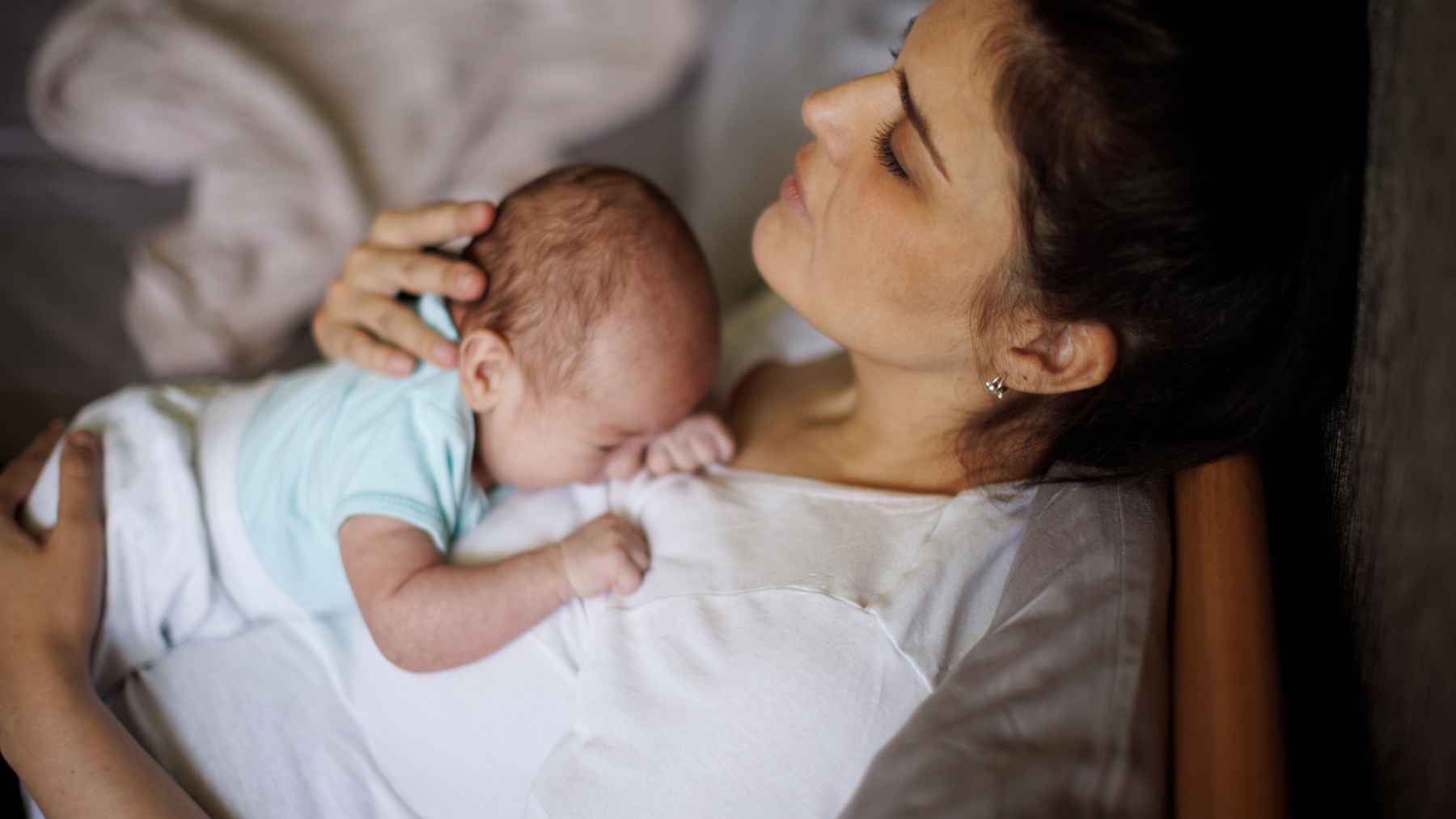
That gap is showing up at the worst possible times, like the weeks after a new baby arrives. With only 1,326 self-employed Californians enrolled in the state’s opt-in Disability Insurance Elective Coverage program, the promise of paid leave is booming for payroll workers while staying largely out of reach for millions who work for themselves.
Record benefits, tiny participation
California’s Employment Development Department says more people filed paid family leave claims in 2024 than any prior year, a sign that the benefit is becoming part of ordinary life for many parents and caregivers. For plenty of families, that higher wage replacement can be the difference between taking leave and skipping it.
But that trend barely touches the self-employed. In a state where close to 2.2 million Californians reported being primarily self-employed in 2024, just 1,326 had opted into the program as of last week.
That mismatch is not just a statistical oddity. It means many people who keep invoices moving, schedules filled, and neighborhoods running do not have wage replacement when they get sick, have a baby, or need to care for a family member.
Why the opt-in program is so hard to use
Unlike employees who pay into State Disability Insurance automatically through payroll deductions, self-employed workers have to opt into a separate program before they can claim benefits. Advocates say the first hurdle is basic awareness, especially for people who do not have a human resources department to point them to the right forms.
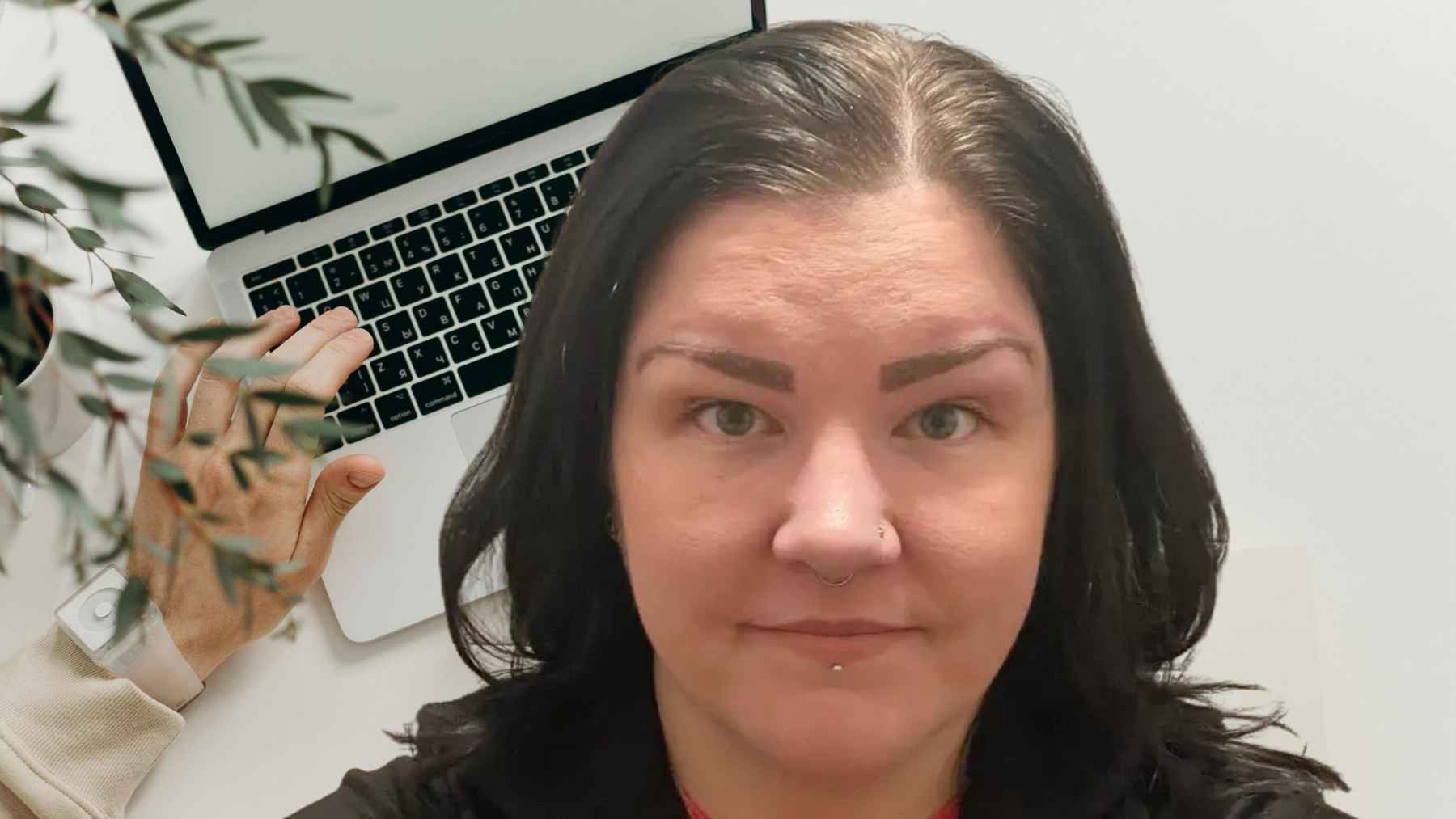
Bianca Blomquist, the California director at Small Business Majority, says many business owners are simply unfamiliar with the option. Her role as a policy and outreach lead is laid out in her official bio at Small Business Majority, and her team often hears the same thing from freelancers after the fact.
The program also comes with timing rules that can be hard to square with real life. A worker must be enrolled for at least six months before taking leave, and then stay in the program for two full calendar years.
The math works against many freelancers
For payroll workers, California deducts 1.3% of wages to fund the state program, and benefits are based on prior earnings. Paid Family Leave can replace about 70% to 90% of wages for eligible workers, depending on income.
The same wage replacement rate applies to self-employed participants, but the buy-in is higher because the pool is smaller and more likely to use benefits. In 2026, the premium rate is 8.84% of net profit.
Run the math on $50,000 in annual net income and the premium comes out to $4,420 a year, or about $368 a month. For many sole proprietors, that is not an abstract number, especially when prices keep squeezing everyday budgets.
When the rules collide with real life
The practical impact is clear in the stories small-business advocates hear all the time. Siobhán Gallagher, a freelance illustrator in Laguna Hills, said she had never heard of the program and only learned about it after having a baby, when it was already too late to opt in.
Florita Ruiz, who runs a licensed home childcare business in Sylmar, said she expects to return to work after a couple of weeks because state licensing requirements require providers to be present for at least 80% of the time.
That standard appears in California’s family child-care rules, including the section that limits temporary absences to 20% of operating hours in the state’s licensing regulations.
Even if she wanted to enroll, she cannot easily step away without risking her business. It is a pressure many people recognize from daily life, like deciding whether the premium or the electric bill gets paid first.
What to keep in mind if you are self-employed
The state says workers can opt in if they are self-employed, own a business, or work as an independent contractor, and if they report at least $4,600 in annual net profit. Enrollees must stay in the program for two complete calendar years, and they need at least six months of participation before filing a claim.
In practical terms, that means the program works best for people who can plan ahead, expect steady profits, and can afford the premium. If the leave is unplanned, that six-month requirement can feel like the fine print you only notice when it is already too late.
For policymakers, the bigger question is whether California wants its paid leave system to match what the labor market looks like now. If the gap stays this wide, the state may keep celebrating record claims while a large segment of workers quietly keeps powering through life events without a paycheck.
The official information was published on the California Employment Development Department.