In the Dominican Republic, a power outage is not just an annoyance. It can stall a factory line, spoil groceries, or leave families sweating through a humid night with the fans off.
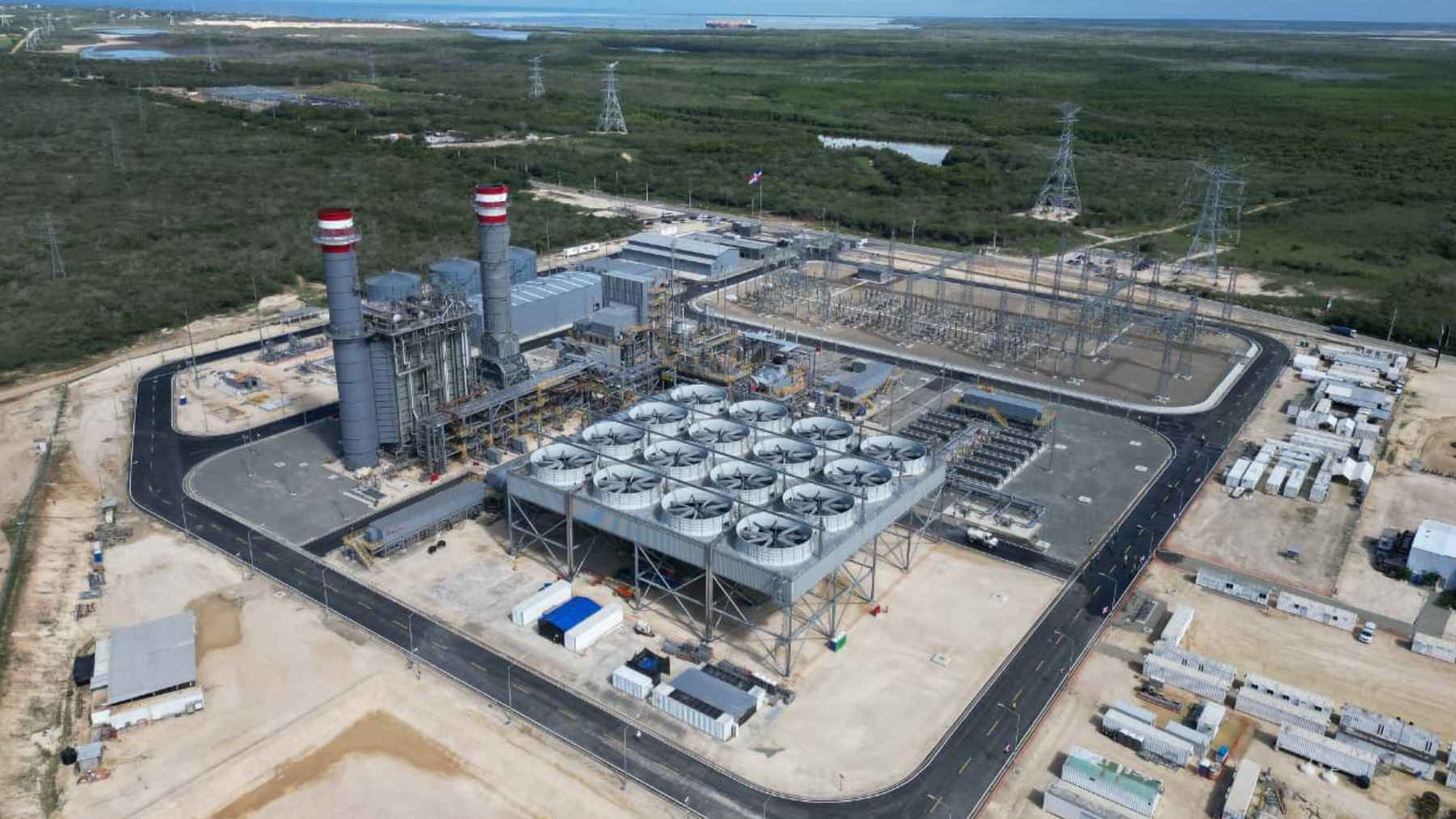
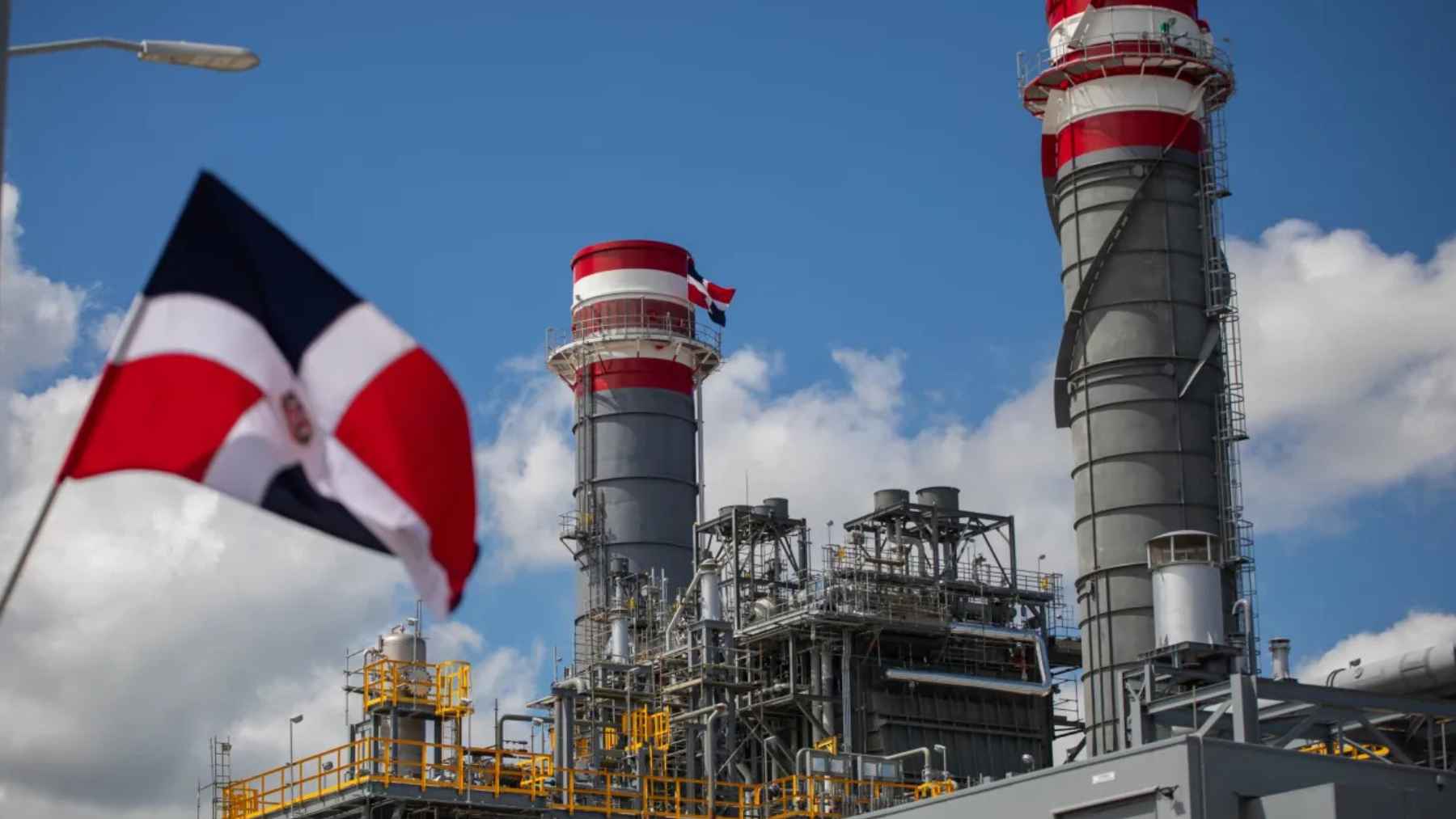
On Friday, March 27, President Luis Abinader inaugurated the Manzanillo Power Land natural gas plant in Pepillo Salcedo, Montecristi, a project expected to add roughly 414 megawatts of generation to the national grid.
Government and industry messaging has been clear: for the most part, this is meant to be a reliability project, not a ribbon-cutting trophy. The plant is backed by an offshore liquefied natural gas supply chain, including the Energos Freeze floating storage and regasification unit, which is designed to keep fuel flowing when demand spikes.
If the logistics and the grid connection work as planned, Manzanillo could become the kind of “boring infrastructure” that quietly makes daily life easier, including that monthly electric bill.
A big chunk of power, fast
Manzanillo Power Land is widely described as a 414-megawatt plant, a scale that Dominican authorities estimate could cover about 15 percent of national electricity demand. That is a meaningful buffer for a system that has struggled with a “historic” generation deficit and recurring blackouts.
Still, the rollout is not an on off switch. In an official government update on Friday, Energy and Mines Minister Joel Santos said the Manzanillo project has a total capacity of 411 megawatts, with about 290 megawatts already running in a testing phase and the remainder expected to join the grid between late May and early June.
Other official communications continue to describe the project as a 414 megawatt facility, so the headline number may vary slightly across updates.
That timing matters because the calendar is part of the strategy. Santos said peak consumption can climb to around 4,300 megawatts in the hottest months, while maintenance work is typically scheduled between January and late April, when demand is lower. Who wants to gamble on the grid right as the summer heat arrives?
The fuel bottleneck is now offshore
The less visible piece of this project sits in Manzanillo Bay. On August 31, 2025, developer Energía 2000 reported the arrival of the Energos Freeze, a floating storage and regasification unit, often shortened to “FSRU.”
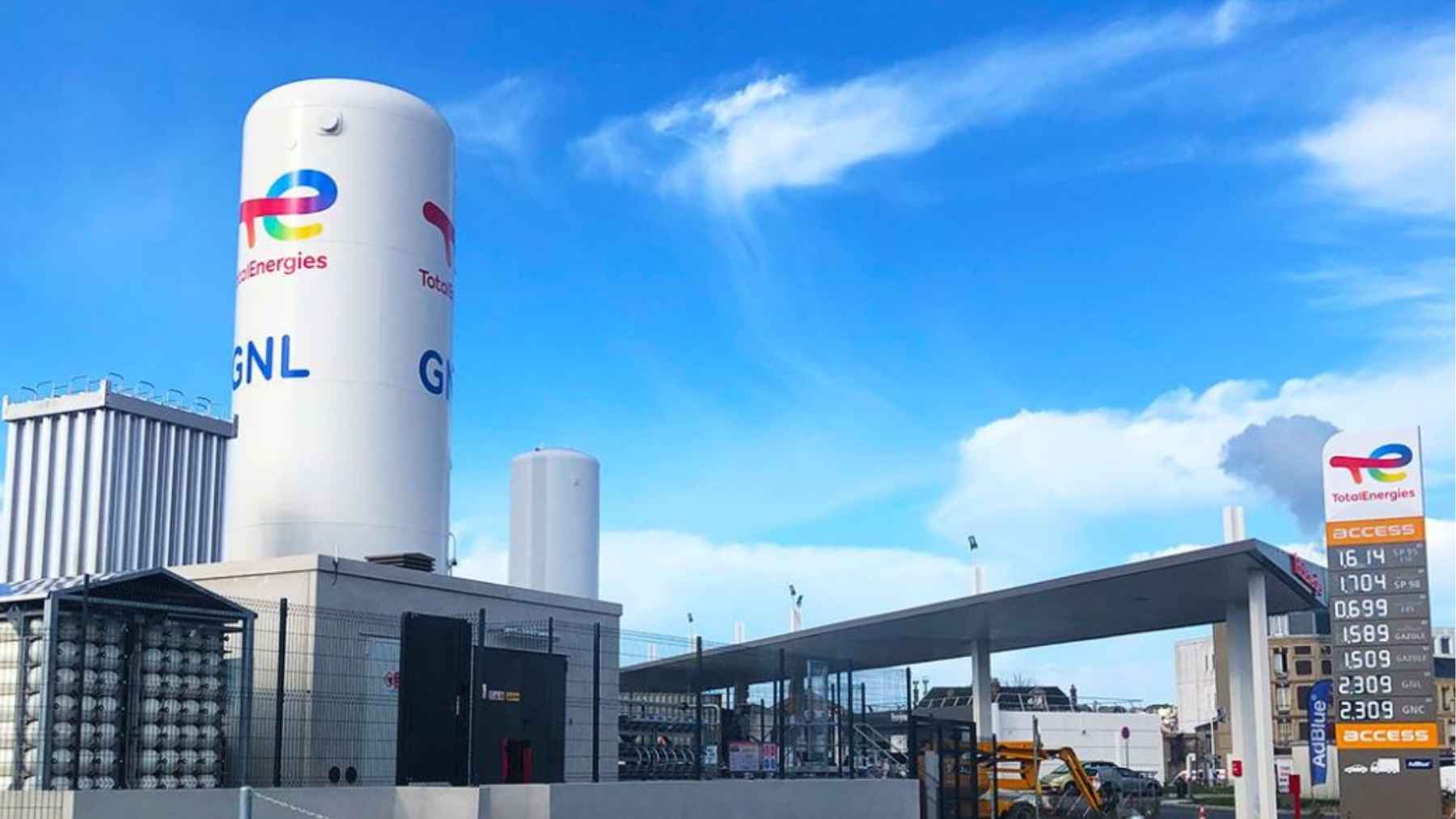
According to the presidential press office, the ship can hold 125,000 cubic meters of liquefied gas, about 33.0 million gallons, and is tied to new port facilities built for this operation. The idea is simple even if the engineering is not: LNG cargoes transfer into the vessel, the fuel is turned back into gas, and then it moves by pipeline to the power plant.
This setup shifts the risk profile. Instead of relying on a conventional onshore regasification terminal, the project depends on shipping schedules, port operations, and a specialized vessel that must stay secure and operational.
It is energy infrastructure, but it is also maritime infrastructure, and that is where resilience starts to look a lot like logistics.
Manzanillo is becoming an energy hub
The Manzanillo buildout is not only about one generator. It is also about getting the power out of Montecristi and into the country’s main load centers, which is why the transmission work has been treated as a national priority.
In July 2025, Abinader inaugurated a 345-kilovolt transmission line that runs 128 kilometers, about 79.5 miles, connecting gas generation projects in Montecristi with Santiago.
The same government release said the overall investment topped $147 million and that the Manzanillo Power Land substation was designed to handle a nominal 414 megawatts. It also said the substation uses advanced protection and control systems to help move power onto the grid and support additional gas generation in the future.
Ports have been part of the story too. Earlier this month, Dominican authorities said the Port of Manzanillo received a security compliance certification under international port protection rules, a signal that LNG handling is being treated as critical infrastructure. The government statement also says the terminal’s protection plan was approved for handling LNG carriers.
Gas now, renewables next
Even in official messaging, gas is framed as a bridge, not an endpoint. In a March 18 government announcement tied to an upcoming regional energy summit, Santos said the country has reached a 25 percent renewable share in its electricity mix, largely driven by solar.
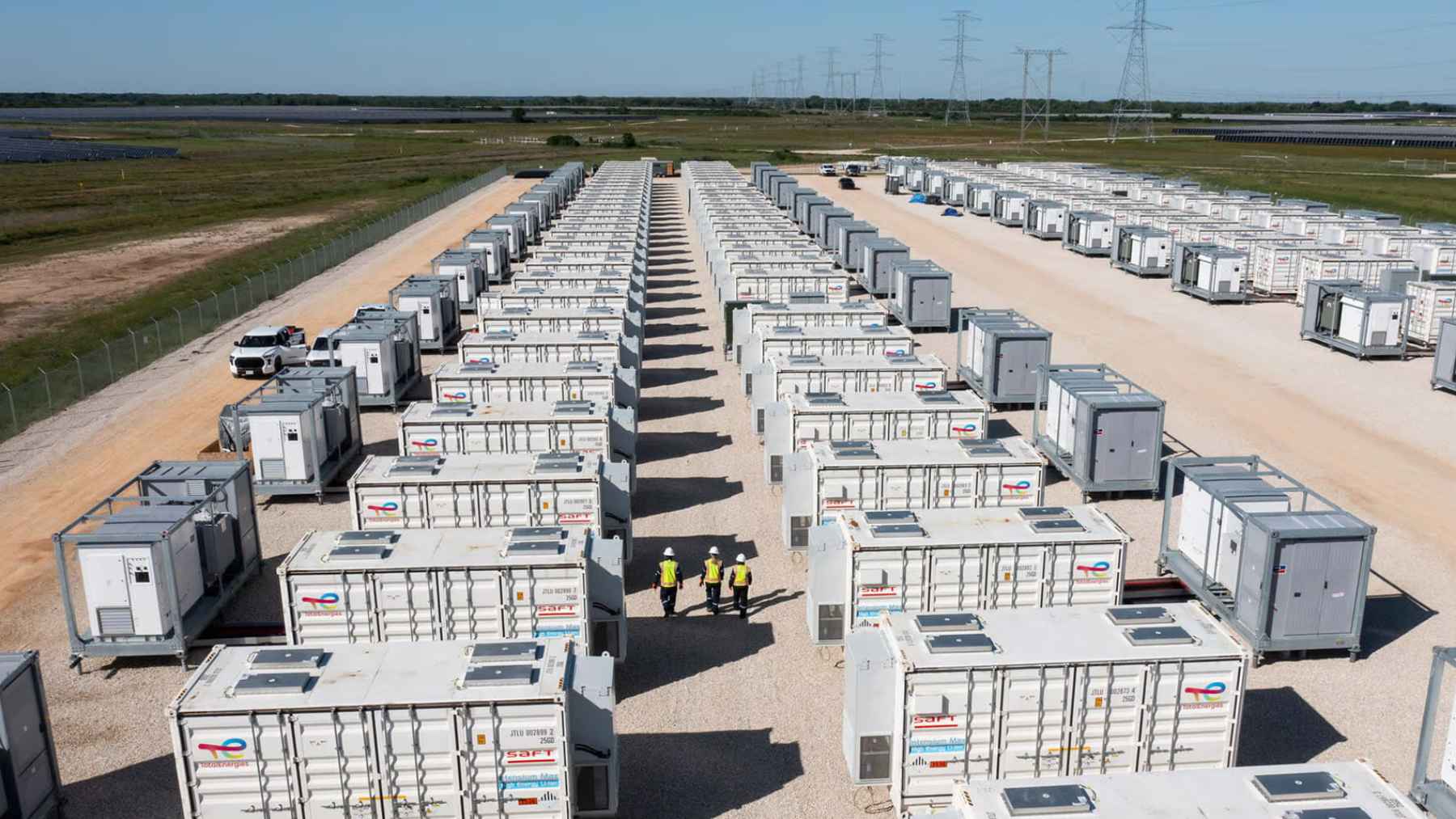
The same statement pointed to storage and regional interconnection as the next steps. It cited 138 megawatts of batteries planned for deployment, another 300 megawatts “in process,” and preparatory work for a submarine cable connection with Puerto Rico.
Here is the tradeoff that investors and households will feel in real life. Dominican officials have argued that gas generation offers an advantage when international oil prices swing, but the country is still building a system that depends on imported fuel. The policy challenge is keeping reliability gains while steadily shrinking exposure to global commodity shocks.
What to watch as Manzanillo ramps up
The inauguration is a milestone, but the operational test comes next. The country will be watching whether the plant can move from partial output to full capacity on schedule, and whether LNG deliveries and port operations stay smooth through the high-demand season.
There is also a short-term balancing act underway. Santos said Unit 2 at Punta Catalina, a 360-megawatt generator, will remain offline for scheduled maintenance until April 30, and he argued that this represents less than 10 percent of installed thermal generation.
He also pointed to hydropower at about 450 megawatts, wind output between 150 and 350 megawatts at night this time of year, and solar availability near 1,500 megawatts during the day.
If Manzanillo performs as advertised, fewer people should be reaching for candles or backup inverters when the lights flicker. But for a grid to feel stable, generation has to pair with transmission discipline, distribution upgrades, and clear communication when something goes wrong.
The official statement was published on Presidencia de la República Dominicana.