What do you do when a bridge vanishes in the mountains and daily life still has to go on? In Sarreyer, a small village in Switzerland’s Val de Bagnes, the answer was surprisingly practical.
Officials and residents turned to a temporary cable car that now links Champsec and Sarreyer in about five minutes, restoring a direct connection after the Fregnoley bridge was destroyed during the summer 2024 storms. The system officially entered service on February 17, 2025.
Daily life returns above the valley
For the people who live there, this is not just an eye catching piece of mountain engineering. It is a way to make ordinary life feel ordinary again.
After the bridge loss, Sarreyer was reachable only through the Route du Soleil, a forest road that had been adapted for access but was still a fragile fallback in a region where weather and terrain can change the plan fast. School trips, work commutes, simple errands. Those things matter more when the nearest detour is no small inconvenience.
The numbers show why this stopgap works. The line is 500 meters long and uses a single cabin with room for eight passengers. Officials said it was built in five months, runs on a fixed timetable, and connects with regional bus service in Champsec.
The municipality also says the ride is free. In practical terms, that means a modest piece of infrastructure is carrying a lot of weight. It moves people and supplies quickly while avoiding repeated crossings near unstable ground.
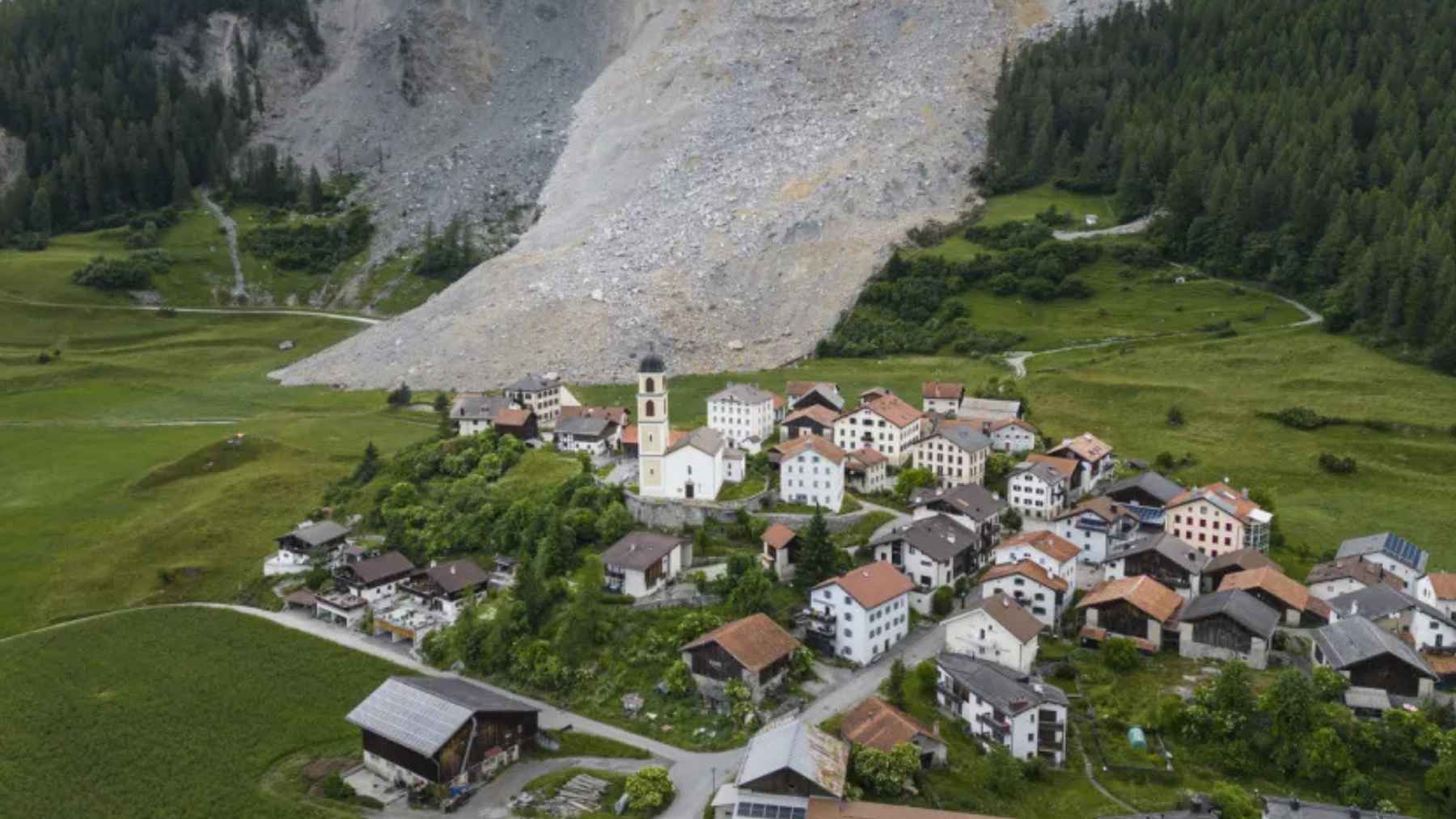
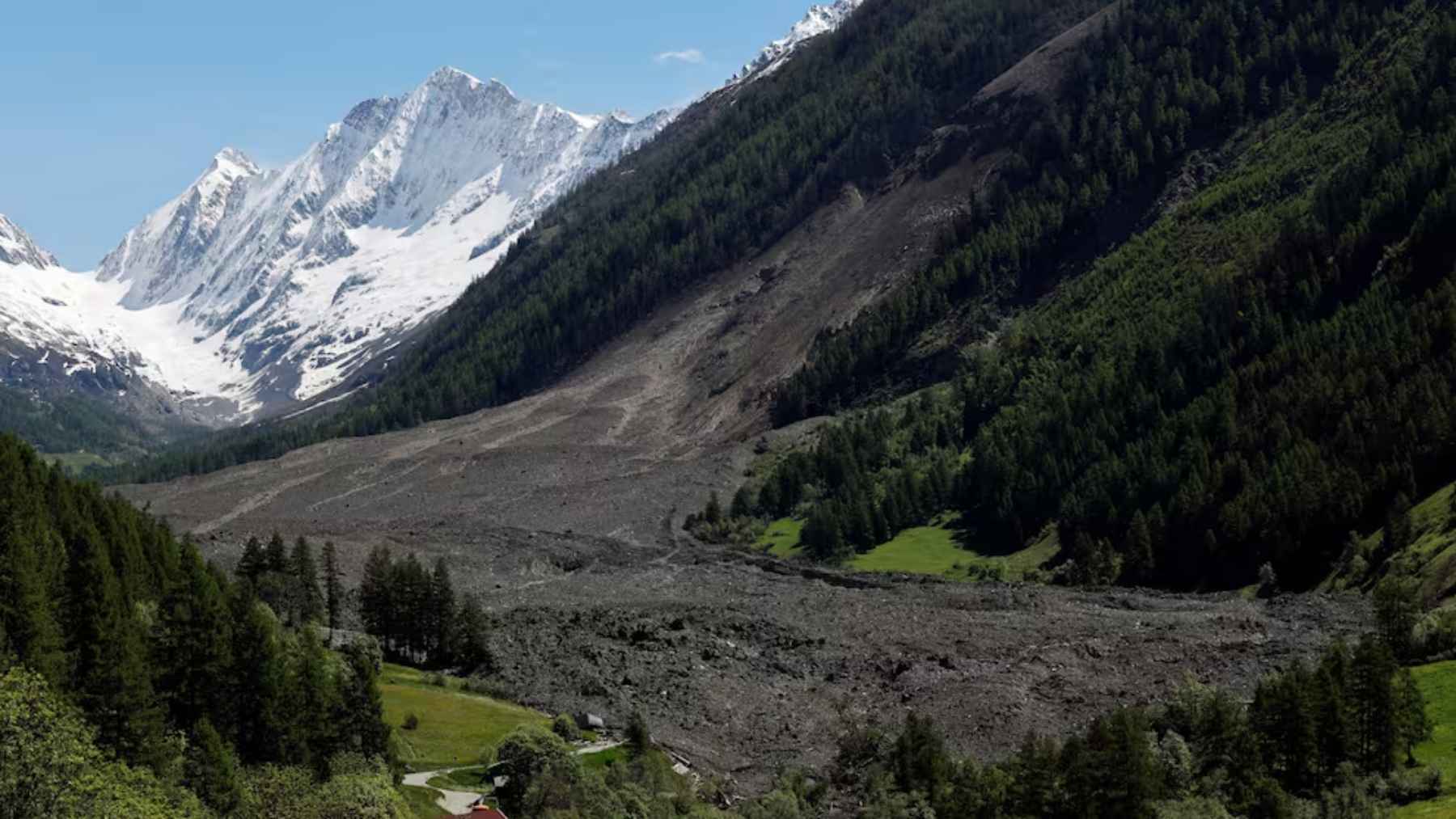
Aerial view of Sarreyer in Switzerland’s Val de Bagnes, where a landslide destroyed the Fregnoley bridge and temporarily isolated the alpine village.
Bridge reconstruction will take longer
There is a bigger lesson here too. Permanent reconstruction is moving on a much longer calendar. According to the latest municipal planning, access road work linked to the bridge project is due from spring 2026, while bridge construction itself is forecast to last about 18 months and run into 2027.
The cable car, officials say, will stay in operation in the meantime. That may not be glamorous, but it is smart. A fast temporary link gives the community breathing room while engineers deal with a valley that has already proved how unforgiving it can be.
At the end of the day, Sarreyer’s cable car is a reminder that resilience does not always arrive as a giant megaproject. Sometimes it is an eight seat cabin gliding over a damaged valley, carrying workers, families, and grocery bags back home. Small fix. Big effect.
The latest official update was published on Val de Bagnes.