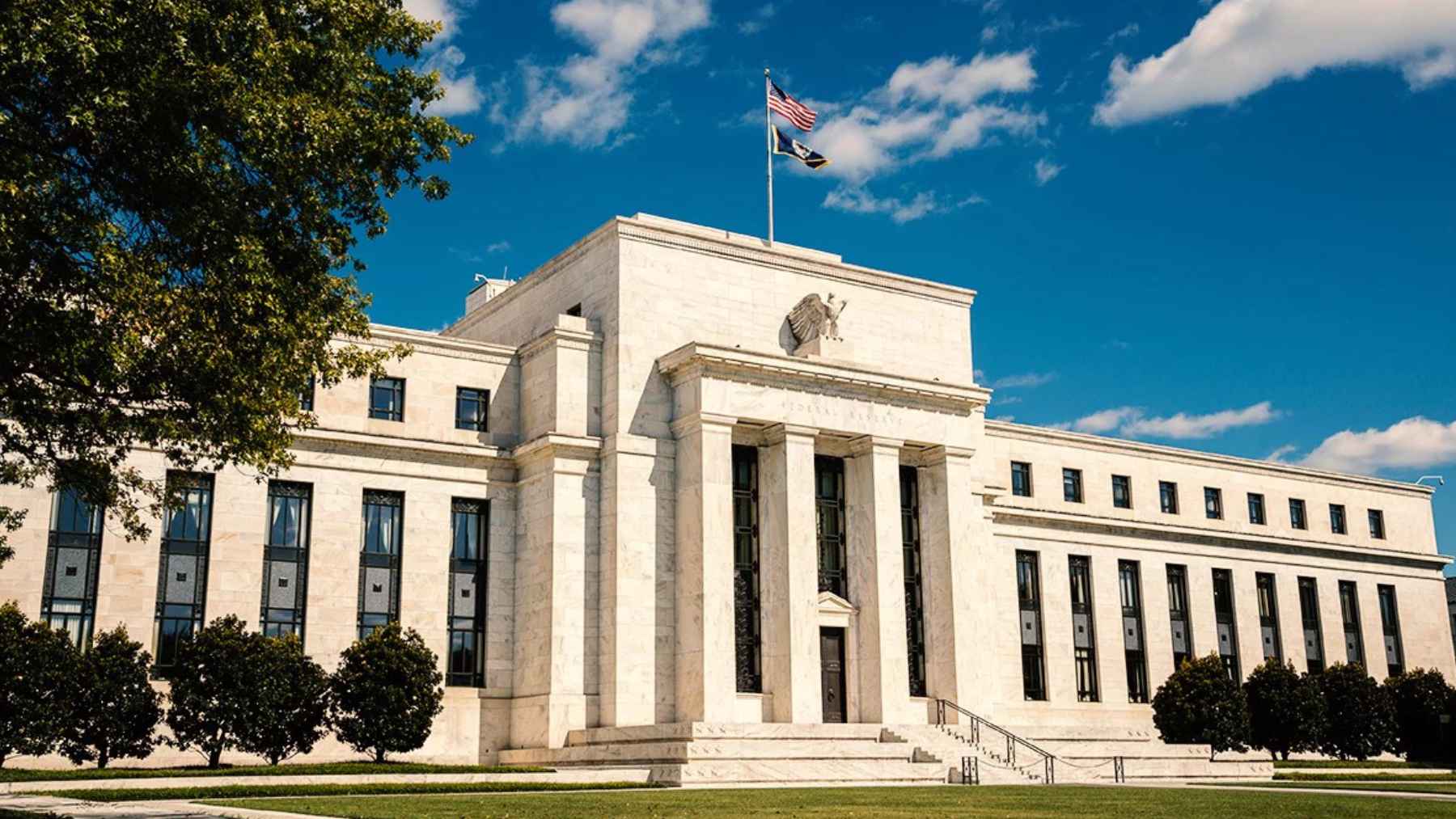
The Federal Reserve held its benchmark rate steady on March 18 at 3.5 to 3.75%, but Chair Jerome Powell made one thing clear. Getting inflation back to2% is no longer a straight line, because tariff-driven price increases are still working through the system and energy prices are surging again.
For families, this does not feel abstract. It shows up at the gas pump, in delivery fees, and in the kind of quiet price bumps that creep into everyday shopping. The Fed’s problem is that these shocks are arriving at the same time, right when policymakers are trying to rebuild confidence that inflation will return to 2%.
Tariffs are still in the numbers
Powell said inflation on the Fed’s preferred measure is running around 3%, and he estimated that between one-half and three-quarters of that is tied to tariffs. The central bank is still hoping those costs behave like a “one-time” jump that fades as the economy adjusts, rather than the start of a new, permanent inflation cycle.
The catch is timing. Powell said it can take “eight, nine, 10, 11 months” for tariff increases to fully show up in prices, and he warned the Fed needs to be “humble” about predicting when that pass-through ends. For companies trying to set prices, the tariff target is still moving.
Energy prices could leak into core inflation
Powell avoided giving a specific oil-price threshold that would force the Fed to hike rates, even with crude trading above $100 a barrel. Instead, he said the Fed is watching whether higher diesel, jet fuel, and other petroleum-based inputs push up headline inflation and then “leak into core,” which would be harder to ignore.
This is where the Iran war complicates the usual playbook. Central banks often try to “look through” short-lived energy spikes, but Powell said that decision depends on whether core inflation is clearly coming down as tariff effects fade. Right now, that “box” is not checked.
A tougher year for business planning
Powell’s baseline story is still that tariff-driven goods inflation should cool as the system absorbs the shock. Yet he also acknowledged the process can take “eight, nine, 10, 11 months,” and that is a long time to wait when consumers are already sensitive to prices.
For businesses, the bigger risk is not just higher input costs but uncertainty. If tariff rates are still in flux and energy costs are volatile, it gets harder to plan hiring, inventory, and pricing without risking a hit to margins. This is not always dramatic, but it is the kind of slow squeeze that shows up in quarterly earnings calls.
What the Fed is watching now
The Fed’s official statement described the economy as expanding at a solid pace, but it also noted that job gains have remained low and the unemployment rate has been little changed. That is a delicate mix, because weak hiring can cool demand, but not necessarily fast enough to solve inflation if prices keep getting pushed by tariffs and energy.
Wholesale data are already flashing caution. The Producer Price Index for final demand rose 3.2% over the 12 months ending in February, and that matters because producer costs can filter into consumer prices over time.
The Fed will want to see those pressures ease before it can feel confident that inflation is on a durable path back to target.
The bottom line for 2026
For now, policymakers kept the federal funds rate at 3.5 to 3.75% after cutting it 0.75 percentage points last fall, and the Fed’s median rate projection still points to 3.4% by year-end. The next moves will hinge on whether tariff inflation fades the way the Fed expects and whether the energy spike stays contained or starts reshaping broader prices.
Are tariffs a temporary bump or the start of something stickier? And can the Fed “look through” oil again if inflation is already too high? Those are the questions that will shape borrowing costs, business investment, and household budgets in the months ahead.
The press release was published on Federal Reserve Board.