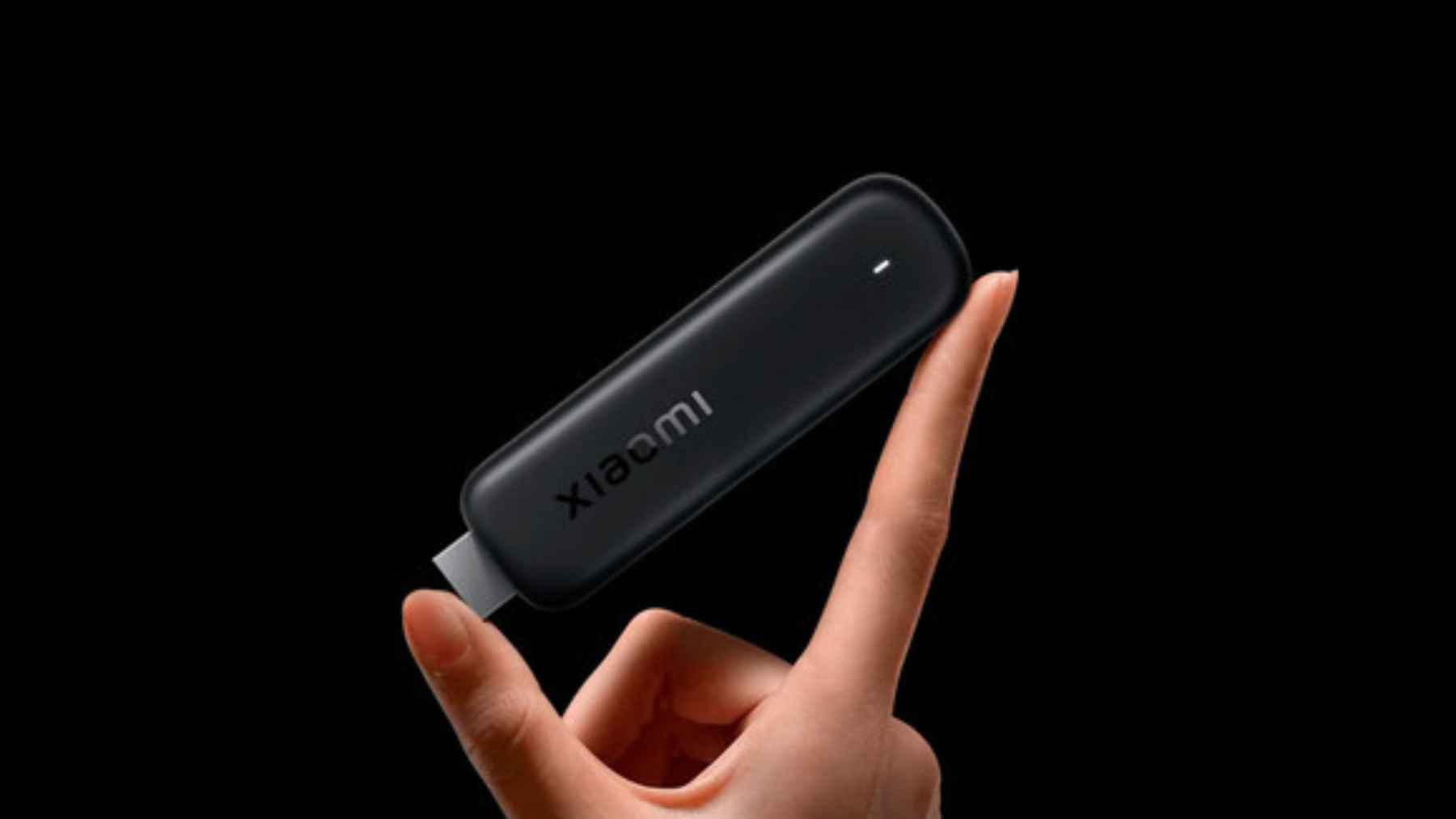
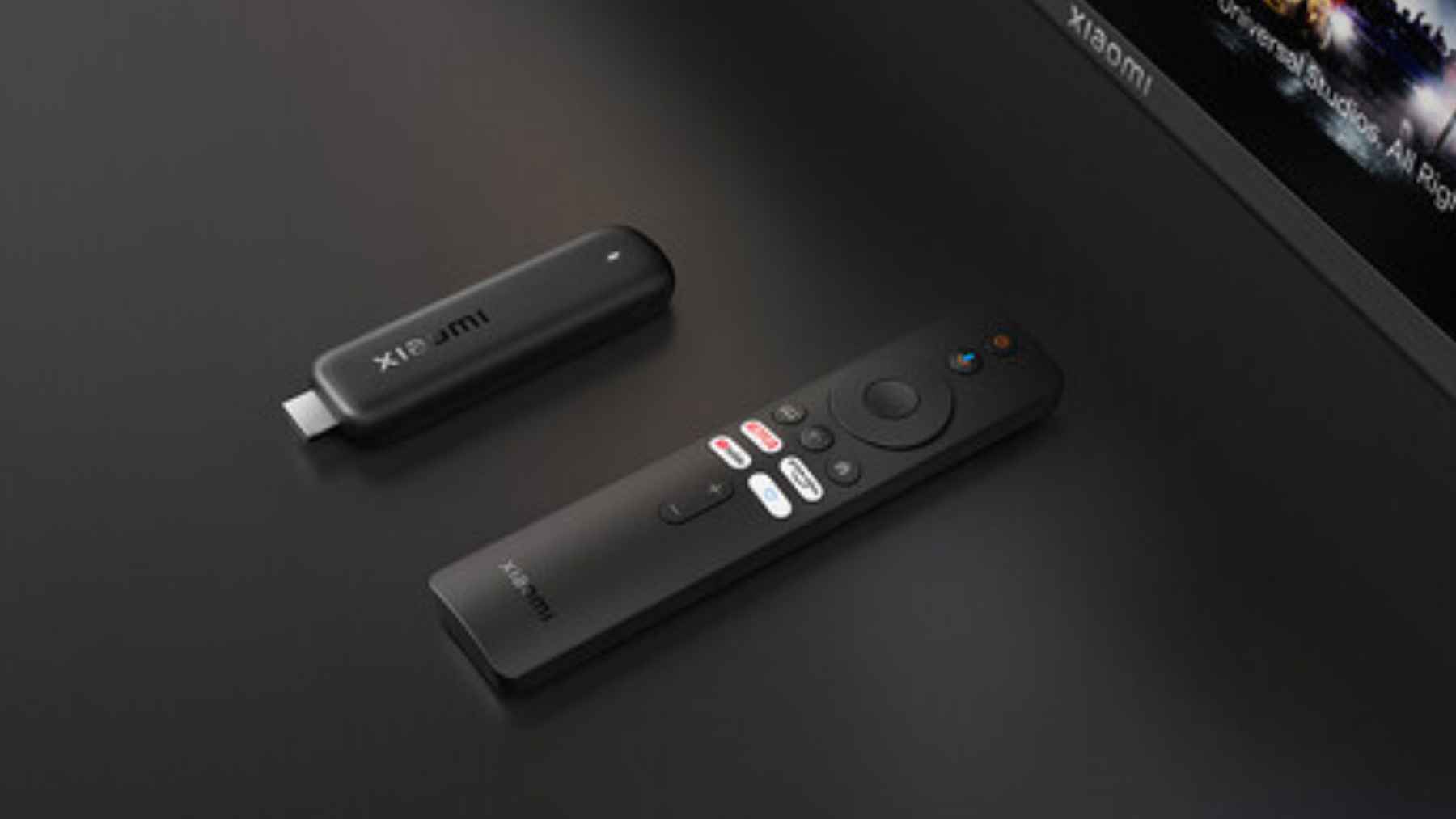
If you have a perfectly good TV that just happens to be “dumb,” Xiaomi wants to sell you a very small fix. The company has rolled out the Xiaomi TV Stick HD (2nd Gen), a pocket-size streaming dongle built to plug into an HDMI port and add Google TV to older screens.
The headline feature is not flashy. It is practical. Xiaomi is promising smoother performance and modern video support in a Full HD stick, while keeping the compact, throw-it-in-a-bag design that makes sense for a bedroom TV, a small projector, or that second screen you refuse to replace just to get a better home screen.
A tiny device that makes a TV feel new again
Xiaomi’s official product listing frames the TV Stick HD (2nd Gen) as an “easy plug-in” way to “unlock a smarter viewing experience” on any TV or display with HDMI, as long as you have Wi-Fi. Google TV is doing the heavy lifting here, pulling shows and movies together across apps and profiles.
On paper, it is a straightforward Full HD streamer. Output tops out at 1080p at 60 Hz, and it runs Google TV with Netflix, Amazon Prime Video, and YouTube listed as pre-installed content. Voice search through Google Assistant and casting from a phone are also part of the pitch, handled through a remote that supports Bluetooth and infrared control.
The big internal change is the platform. Xiaomi says CPU performance is up “38%” compared with the older Mi TV Stick, using a quad-core Cortex-A55 and a Mali-G31 MP2 GPU. The claim comes from Xiaomi’s internal testing, but the goal is clear: fewer stutters when you scroll, search, and jump between apps.
Why a 1080p stick still exists in a 4K world
At first glance, launching an HD-only stick in 2026 sounds late. But look around a typical home and you will still find plenty of 1080p TVs that work just fine, especially outside the living room. Do you really need 4K in the guest room?
There is also a quieter reality in streaming. Many people never pay for the highest resolution tier, and a lot of everyday viewing is still sitcoms, YouTube, sports highlights, and news clips where smooth playback matters more than pixel-peeping.
Xiaomi is also selling portability. The company explicitly pitches the stick for TVs and “other display devices” with HDMI, which includes monitors and projectors that get pulled out for dorms, offices, and weekend trips. That portability is part of why tiny sticks like this still have a market.
The real upgrade is about speed and efficiency, not just pixels
The CPU and GPU change is the core story, even if Xiaomi keeps the memory modest. The stick pairs a quad-core Cortex-A55 with 1 GB of DDR4 RAM and 8 GB of storage, which is enough for streaming basics but leaves little headroom for heavy app loads.
One under-the-radar improvement is codec support. Xiaomi lists AV1 decoding alongside VP9 and H.265, which matters because AV1 is designed to deliver similar quality at lower bitrates. In everyday terms, it can help reduce buffering when multiple people are streaming at once.
Connectivity is built for real homes, not lab demos. Dual-band Wi-Fi supports both 2.4 GHz for range and 5 GHz for speed, and Xiaomi notes it expects a router that supports Wi-Fi 5. Bluetooth 5.0 is there for headphones and other accessories, which is handy when you want to keep the volume down at night.
The compromises you should notice before hitting buy
The first limitation is memory and storage, and it is not a small one. With 1 GB of RAM and 8 GB of space, some early coverage is already pointing out that this kind of spec can feel tight once you start piling on apps, updates, and cached data.
Then there is power and the port choice. Xiaomi uses micro USB for power input and says the box does not include a USB power adapter, so you are expected to use a standard 5V 1A phone charger or your TV’s USB port if it can supply the same.
Finally, it is still an HD device, even with nicer extras like HDR10+ support, Dolby Audio and DTS X decoding when your TV and content support them. If you are shopping for a main living-room streamer on a 4K set, Xiaomi’s own TV Stick 4K (2nd Gen) exists for that higher-end job.
What buyers should watch next
The missing piece right now is the one everyone asks about first. Xiaomi has published the specs and marketing details, but pricing and country-by-country availability have not been confirmed through the global listing.
Before you buy, match it to your setup. If your TV is 1080p, you will get the full resolution the stick can output, and if your display supports HDR10+, you can actually see the extra contrast and highlight detail Xiaomi is advertising. And if your Wi-Fi is shaky, dual-band support gives you options when the streaming wheel starts spinning.
In practical terms, this product is Xiaomi playing the long tail of the TV market. A device that measures about 4.23 by 1.18 by 0.55 inches (107.4 by 30 by 14 mm) and weighs roughly 1.55 ounces (44 grams) does not need to win a spec war. It just needs to make streaming feel simple again.
The official product listing was published on Xiaomi Global.