If you are planning a quick trip to London, Manchester, or Edinburgh, the United Kingdom has quietly raised the bar at the airport. Since February 25, 2026, it is no longer enough to show that you filed your paperwork.
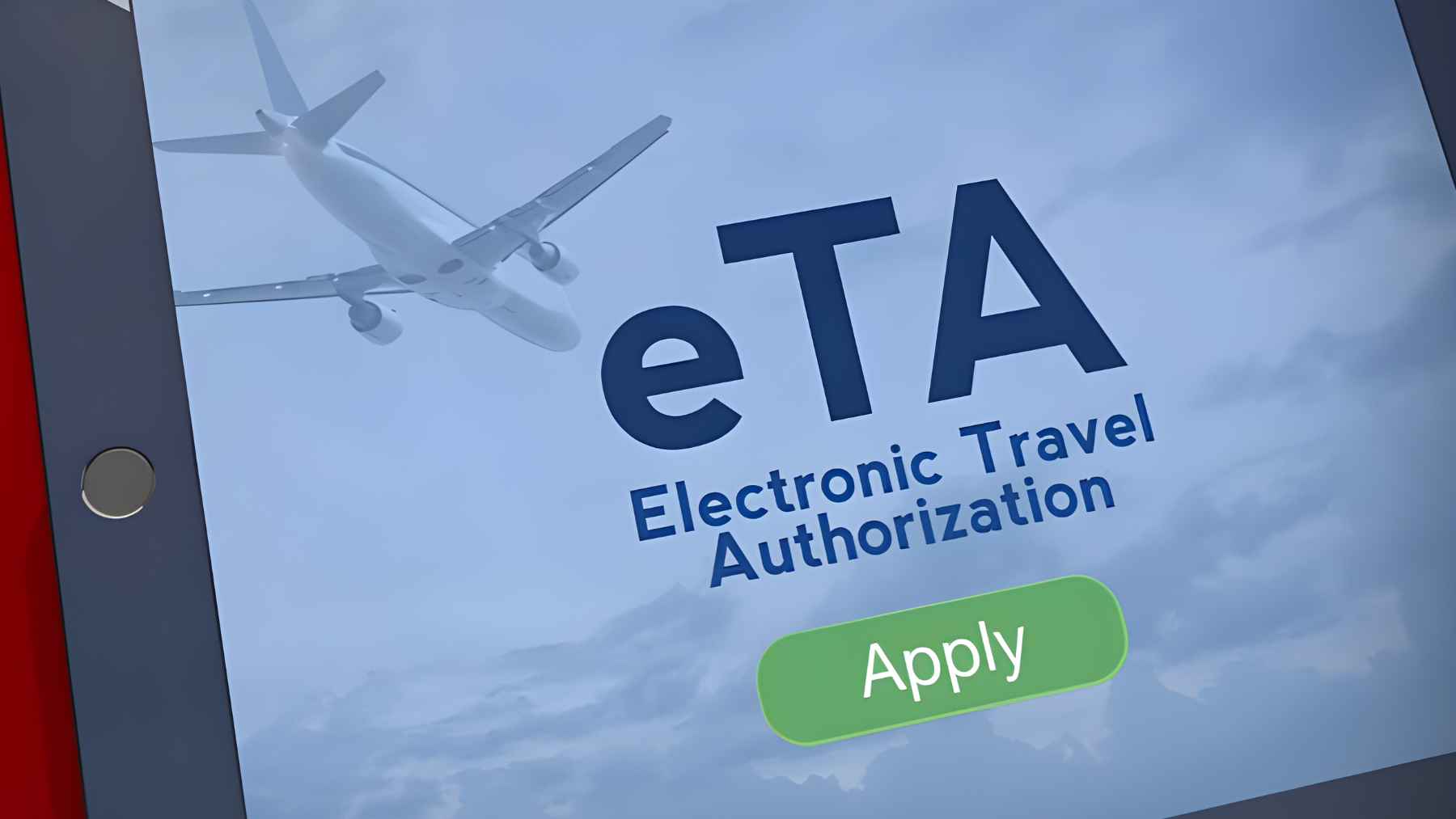
Travelers now need proof that their Electronic Travel Authorisation (ETA) has been approved, or an airline can deny boarding.
This is not just another “new form” story. It shifts enforcement to the check-in desk and the boarding gate, where a small mistake can turn into a canceled weekend and a wasted hotel booking. And in a travel world already shaped by disruptions like flight cancellations that leave travelers stranded, the timing matters.
What changed on February 25, 2026
The key change is simple but easy to miss. Travelers who only show an ETA application in progress, instead of an approved decision, can be turned away before they ever get on the plane.
Spain’s government has warned that stricter enforcement means airlines may refuse boarding unless the traveler can show a favorable result, not just a pending request, in official guidance for travel to the United Kingdom. It is the kind of rule that sounds bureaucratic until you are standing in a check-in line watching the clock.
Who needs an ETA and who does not?
For most Spanish tourists and other short-term visitors without UK residency status, an ETA is required for short stays for tourism, business, or family visits. The Spanish Consulate in London has summarized the change and timing in its notice on the Autorización Electrónica de Viaje, which spells out that the rule applies broadly to travelers who are not UK residents.
That said, an ETA is not a work permit, and it is not a student visa. If the purpose of the trip is to work or study, UK rules generally require a visa, not an ETA, and travelers should treat that distinction as non-negotiable.
Why airlines are enforcing it at the gate
In practical terms, airlines have become the first filter. They can be held responsible for carrying passengers who do not meet entry requirements, so they are incentivized to check before departure, not after arrival.
This is similar to how other travel systems are getting more “front-loaded,” with checks happening earlier and earlier in the journey. Even in the United States, passengers are learning that showing up without the right document can cost time and money, as seen in how traveling without this document can cost you $45 under TSA’s identity verification fallback.
How to apply without getting overcharged
The UK government recommends applying through the official process, either in the mobile app or online, and warns that third-party sites can charge much more than the official fee.
If you are applying digitally, the UK government’s guide on using the UK ETA app lays out what you need, including the passport you will travel with and a payment method.
For travelers who cannot use the app, the UK also provides a direct online route to apply for an ETA. Most applications are decided quickly, but some are flagged for extra checks, which is why officials recommend applying at least three business days before travel.
What to do before you leave for the airport
Start with the boring but essential step. Check that you have an approved ETA tied to the passport you are using, and do it before you leave home, not while juggling bags in the terminal.
Then think like an airline would. If a boarding pass, a passport, and a screenshot of an “application submitted” page do not prove approval, you should assume it will not be accepted at the counter.
It is a little like airport security lines that suddenly become political and operational flashpoints, as seen when TSA PreCheck rules and staffing problems made “just get to the gate” feel like a gamble for some travelers.
And if you are wondering why these frictions keep spreading, it is because modern travel is getting more digital and more standardized, while patience is getting shorter.
Anyone who has watched airport lines eat up a departure window can see why alternatives like high-speed rail that cuts the “terminal time” problem keeps getting attention.
The official statement was published on the Home Office.