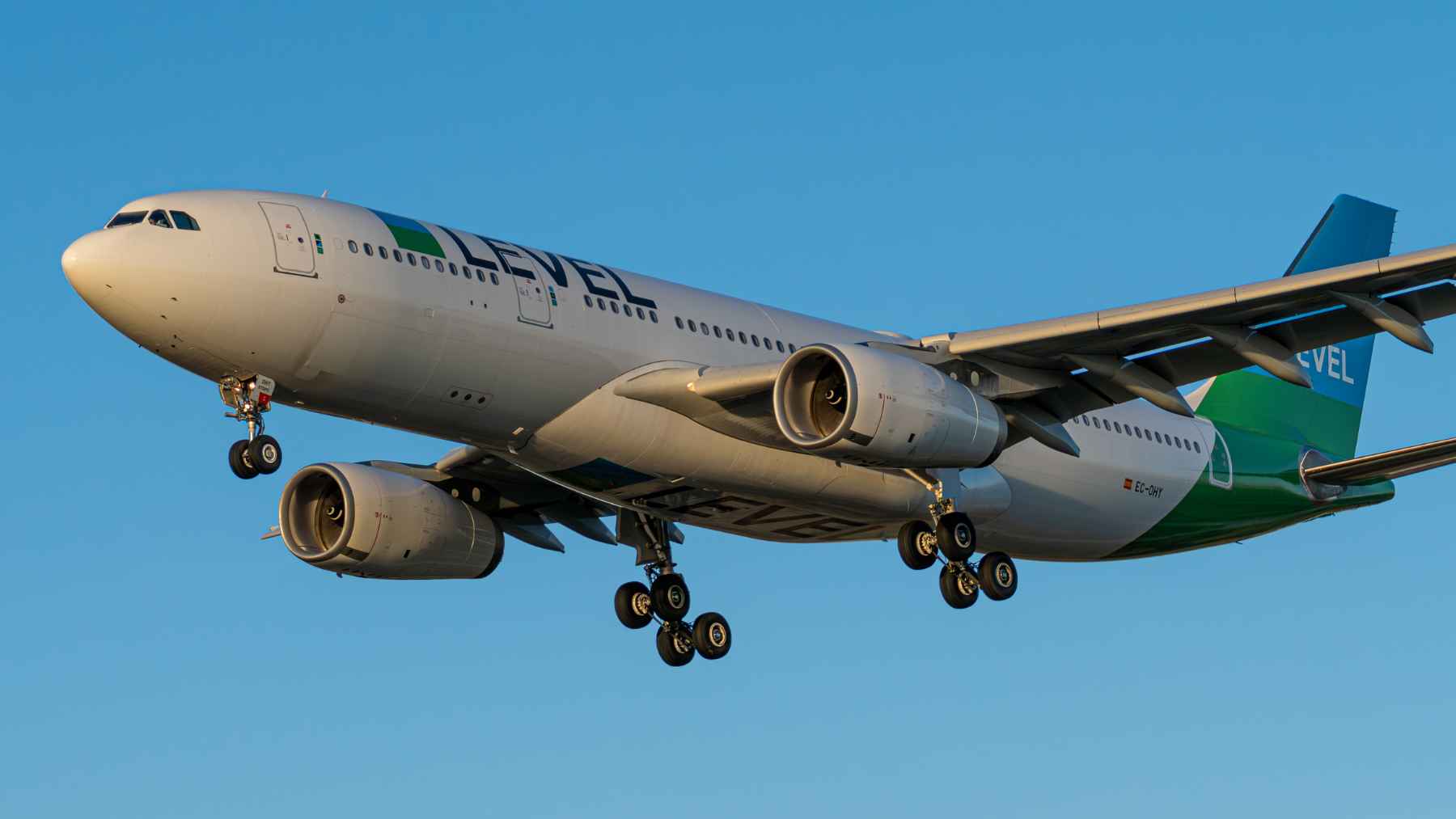
LEVEL will suspend its seasonal nonstop service between Barcelona and San Francisco starting April 30, leaving passengers booked after that date looking for alternatives.
The Barcelona-based airline, part of International Airlines Group (IAG), says the cut is driven by a shortage in airplane engines and related supply chain constraints. Travelers affected by the change are being offered refunds, vouchers, or rerouting options.
It is also a reminder that in 2026, the “air travel problem” is not just ticket prices – it is physical capacity. Engines, parts, and repair slots have become the choke point, and even a small disruption can ripple into route cancellations.
For cities like Barcelona that are trying to build more long-haul links, the message is simple and a bit uncomfortable: growth plans now live and die by industrial bottlenecks.
What changes on April 30
The Barcelona to San Francisco flight is scheduled to restart on Sunday, March 29, as part of a seasonal operation that typically runs from late March through late October. In practice, the airline has limited the 2026 schedule to April 2 through April 26, with roughly two to three flights a week, and it has stopped selling tickets from May onward.
LEVEL’s explanation is blunt and familiar across the industry. The airline says the move is meant to “guarantee” a reliable summer operation and keep the rest of its network running smoothly, while pointing to a global shortage in engine supply rather than regional conflicts.
That matters because this is not a fringe route. A nonstop Barcelona-to-San Francisco flight covers about 5,953 miles and averages around 12 hours and 50 minutes, making it one of the most direct bridges between Europe’s Mediterranean tech corridor and the Bay Area.
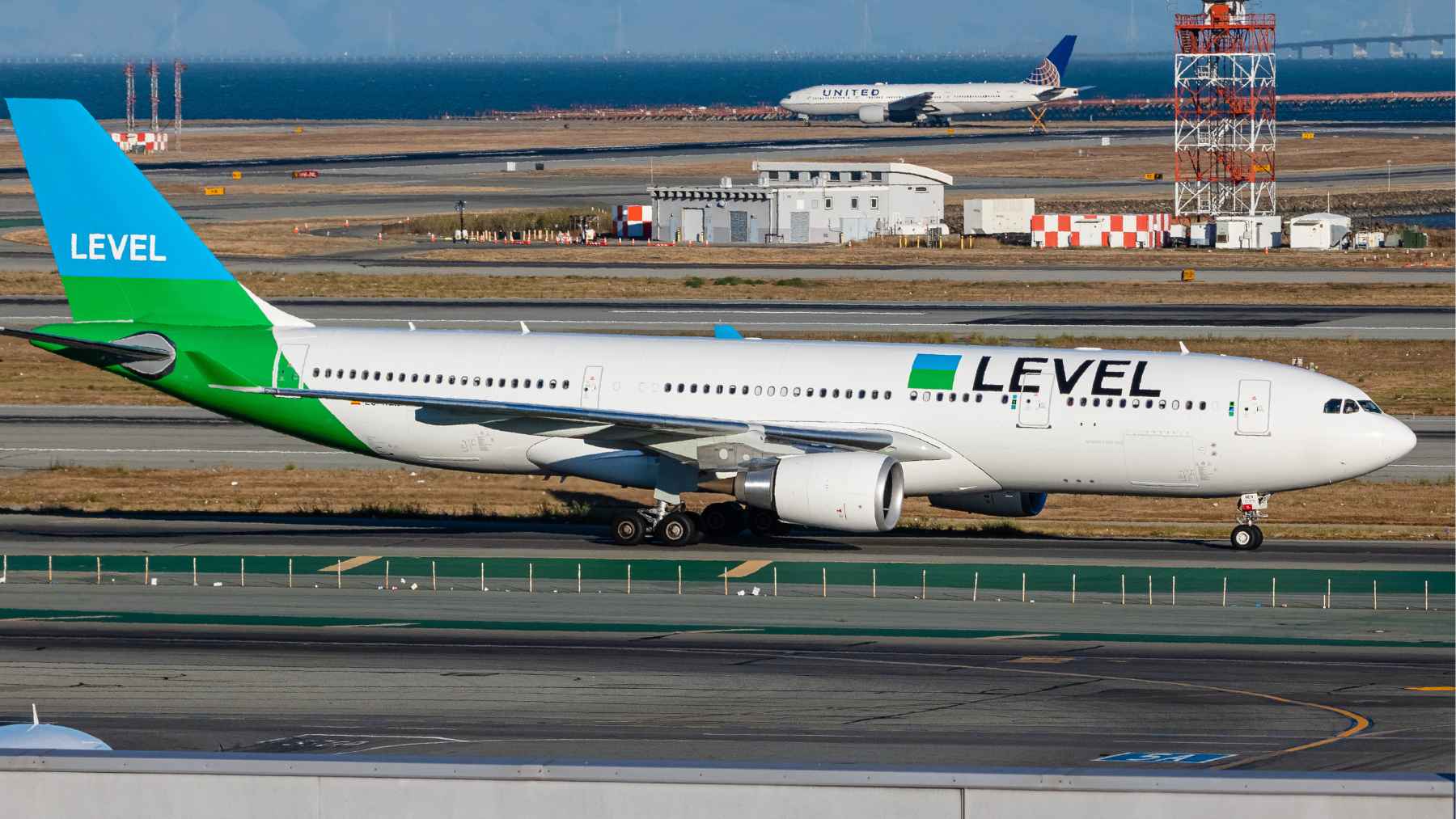
A LEVEL Airbus A330 taxis at San Francisco International Airport as the airline suspends its Barcelona route amid ongoing engine supply constraints.
Refunds, vouchers, and rerouting
Passengers who bought tickets for travel after April 30 are being notified directly and offered three main paths. LEVEL says customers can take a full refund, accept a voucher that can be used for up to five years, or wait for a rebooking option that routes them through Iberia itineraries if they do not choose one of the first two options.
The practical outcome is more time in transit. A connection can easily add several more hours and another set of security lines and boarding gates, which is not ideal if you are trying to make a morning meeting or save a weekend.
There is also a competitive twist. La Vanguardia reported that United Airlines would remain as the only carrier connecting Barcelona’s El Prat airport with San Francisco once LEVEL steps back, which would tighten supply even if the route does not disappear entirely.
Engines are the new chokepoint
To a lot of travelers, “engine shortage” sounds like a strange excuse because the airplanes are already built. The problem is that engines are high-maintenance machines with long overhaul cycles, and airlines need spare capacity so planes are not stuck on the ground while waiting for parts and repair slots.
IATA and consulting firm Oliver Wyman estimate that supply-chain bottlenecks cost the airline industry more than $11 billion in 2025 alone.
Their breakdown includes about $4.2 billion in excess fuel costs from keeping older, less efficient aircraft flying, plus $3.1 billion in extra maintenance, $2.6 billion in engine leasing costs, and $1.4 billion tied to larger spare parts inventories.
The broader numbers are even more sobering. IATA says delivery shortfalls now total at least 5,300 aircraft, the backlog has surpassed 17,000 planes, and the structural mismatch between airline demand and production capacity is unlikely to normalize before 2031 to 2034.
IATA also notes that commercial airlines are competing with business aviation and defense programs for some of the same castings and engine capacity.
Barcelona’s long-haul bet
Barcelona’s airport is not short on demand. Aena says Josep Tarradellas Barcelona El Prat handled 57,483,036 passengers in 2025, up 4.4% from 2024, and moved about 443 million pounds of cargo (200,741 metric tons) over the same period.
Long-haul traffic has also been a bright spot. Local reporting based on airport data shows Barcelona carried 2.6 million long-haul passengers to North America in 2024, up 24.8% compared with 2019, as airlines added new routes and frequencies after the pandemic shock.
LEVEL has been central to that push, and it is now caught between ambition and reality. La Vanguardia reported that the carrier holds roughly a 16% share of the long-haul market at El Prat and operates a fleet of seven aircraft while waiting for an eighth Airbus A330-200, a delay that makes engine-related disruptions harder to absorb.
Even so, in a March 25, 2026, press release, LEVEL promoted its upcoming Lima-to-Barcelona route starting June 3 with three flights per week and onward connections from Barcelona to more than 75 destinations via partner Vueling.
What to watch before summer begins
The key question is whether this is a temporary pause or a longer retreat from the West Coast. IATA’s outlook suggests the industry-wide supply gap will linger for years, and LEVEL itself has framed the decision as a shift toward “more consolidated routes” to protect reliability during the peak summer season.
For travelers, the advice is unglamorous but necessary. If you have a Bay Area trip after April 30, check your booking status early, watch for rerouting emails, and compare nonstop availability with the remaining operators because schedules can change quickly when aircraft and engines are in short supply.
The official press release was published on LEVEL.