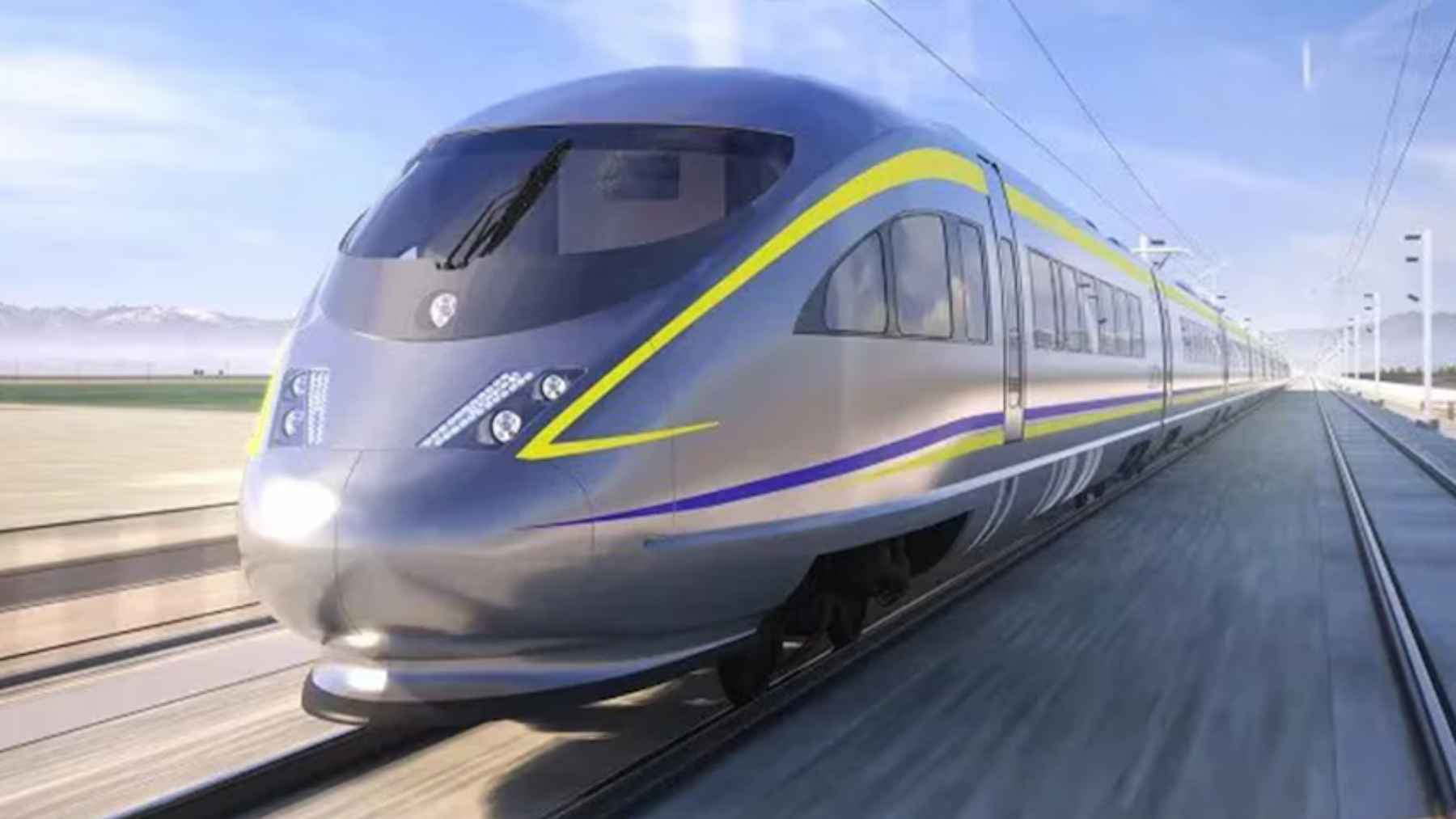
California’s long-delayed high-speed rail project has reached a milestone that sounds boring on paper, but matters in the real world. State officials say the 150-acre Southern Railhead Facility near Wasco is complete and ready to function as a logistics hub for the materials needed to electrify and operate the system, according to a statement from Governor Gavin Newsom.
The big question is what comes next. Finishing a rail yard does not put passengers on trains, but it can finally unlock the shift from pouring concrete to installing the track, power, and control technology that turns a construction corridor into a working railroad.
A rail yard built for bulk deliveries
The state describes the Southern Railhead as a central place to receive, store, and deploy critical materials for the project, which is the kind of behind-the-scenes infrastructure that can speed up visible work on the ground.
If you have ever watched a major road project crawl along for months, you already know why logistics matters. When materials arrive late or in the wrong order, everything else backs up.
This is also a reminder that high-speed rail is, to a large extent, a supply chain challenge. Steel, concrete, wiring, and specialized components all have to show up at the right time, in the right quantities, and with the right quality controls. That is where a purpose-built hub can make a difference.
Big rail projects around the world have learned this the hard way, whether that is a country racing ahead or one trying to restart after delays. Even outside the United States, the pressure is the same, as seen when nations move to revive their Chinese-backed railways and discover that the bottlenecks are often more practical than political.
From construction to an actual railroad
California’s project has spent years in the civil works phase, building structures and preparing the corridor. In the governor’s update, the state highlighted 119 miles of active construction, more than 80 miles of guideway finished, and dozens of completed structures.
Those numbers matter because they show a corridor taking shape, not just a plan on a map.
The California High-Speed Rail Authority also says 463 miles of the 494-mile Phase 1 system between San Francisco and Anaheim are environmentally cleared and construction ready. That is significant progress on paper, but environmental clearance is not the same thing as delivering service, and most riders care about one thing. When can they use it?
Here is the uncomfortable part. The shift from building structures to building a railroad is usually when the work gets more technical, more expensive per mile, and harder to schedule.
Track, power, communications, and safety systems have to work together, and testing can reveal surprises that do not show up in early construction photos.
The tech-heavy contract that will define the next phase
The Authority has already teed up what could be one of the most consequential steps in the project’s next chapter, the Track & Systems Construction Contract RFP. The scope is not just rails in the ground. It includes overhead contact system work and the design and construction of core systems like traction power, train control, and communications.
The not-to-exceed value for that contract is $3.5 billion, which underlines why this phase gets so much attention.
Track and systems is where high-speed rail stops being mainly a construction story and becomes a technology and integration story. In practical terms, that means you are paying for the hardware and software that keeps trains moving safely at speed, every day, in all weather.
It is also where innovation can show up in unexpected places. Around the world, rail operators are experimenting with new approaches to electrification and energy use, including projects aimed at converting train tracks into solar power plants as part of a broader push to squeeze more value out of infrastructure that already exists.
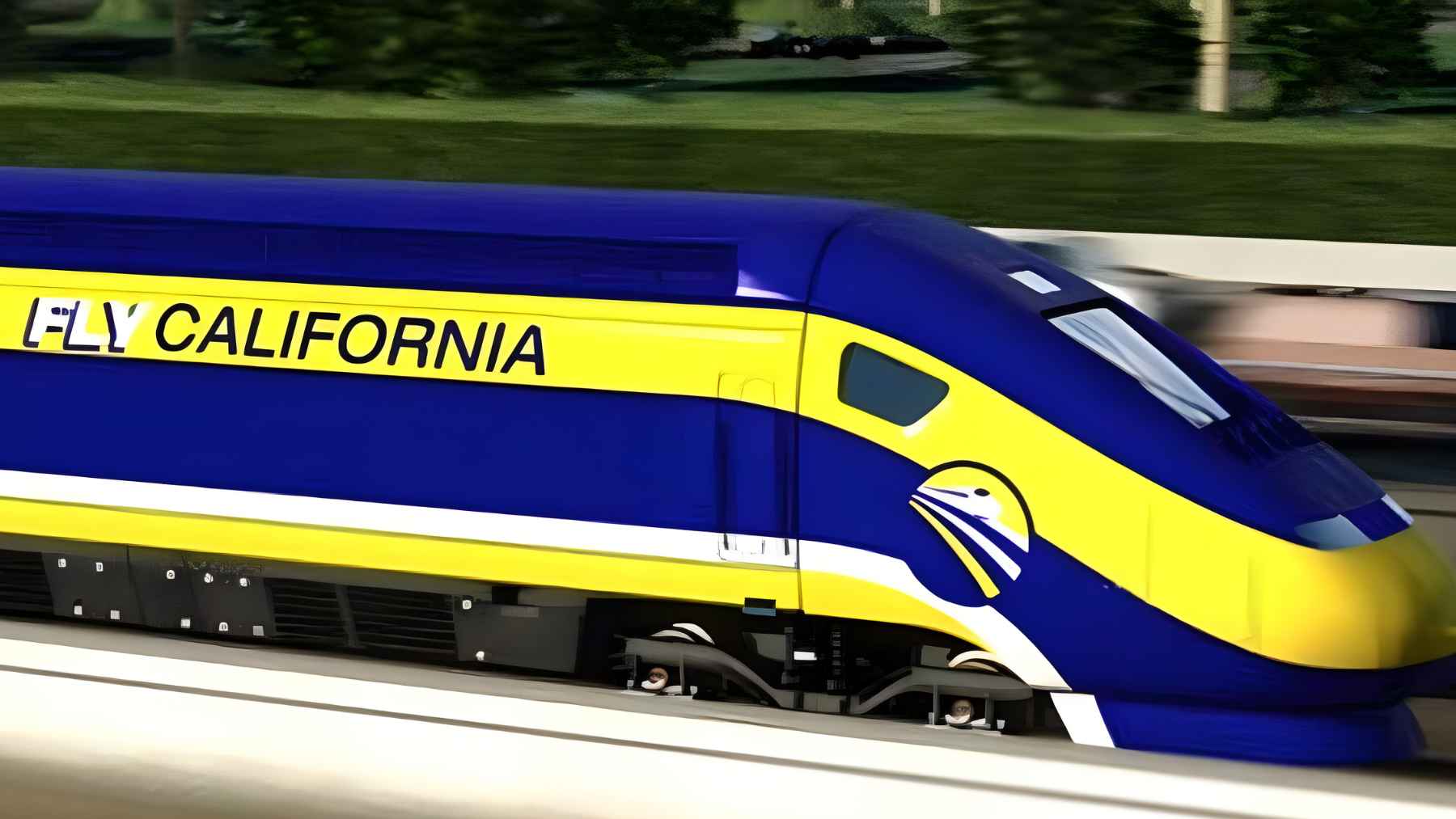
What the latest business plan says about cost reality
For Californians, the cost debate is not academic. It is tied to trust, and to whether voters believe the state can deliver megaprojects without perpetual overruns. In its Draft 2026 Business Plan, the Authority said streamlining efforts reduced Phase 1 delivery costs by $1.7 billion and pointed to construction jobs and economic impact as evidence of tangible progress.
The Draft 2026 plan frames Phase 1 as a 494-mile system connecting San Francisco to Greater Los Angeles in less than three hours.
That pitch is easy to understand, especially for anyone who has sat in traffic for an hour just trying to cross one metro area. But the check has to clear, and the plan itself puts the Phase 1 cost estimate at $126.2 billion, a number that will keep fueling scrutiny.
It is worth noting that this kind of spending is not happening in a vacuum. Many construction firms are betting that the next wave of growth will come from public works, which helps explain why companies talk constantly about roads, tunnels, bridges, and other large-scale projects that can run for years.
Funding certainty helps, but politics still looms
California’s most durable funding story right now is state money, not federal money. The Authority’s own Funding page says the extension of the state’s greenhouse gas program replaced the prior auction-based allocation with a fixed annual appropriation of $1 billion through 2045, which is the kind of predictable stream megaprojects depend on.
That policy backbone is tied to the state’s broader climate framework, including the Cap-and-Invest program. The rail Authority has also highlighted a steady funding agreement as a turning point for planning and delivery. At the end of the day, steady funding is what lets managers sign contracts with confidence instead of building in expensive uncertainty.
Still, politics does not disappear just because a funding stream is on paper. Federal support has been volatile for years, and the Authority has publicly pushed back on threats tied to FRA termination, while broader transportation policy fights keep swirling.
You can see the same dynamic in other battles, including a recent feud with California that shows how quickly transportation projects can become political symbols.
The next milestones will be visible or they will not
The railhead facility is important because it should lead to outcomes people can actually see. Rails arriving. Crews installing track. Electrical systems going up. If those milestones start stacking up, the project’s story changes from “endless planning” to “active delivery.”
There is also a global context that makes the timing feel sharper. Other countries are not waiting to perfect the politics before they perfect the technology, and the competition is visible in projects like China’s push with the world’s fastest commercial train that keeps resetting expectations about speed, reliability, and industrial capability.
The official statement was published on the California High-Speed Rail Authority’s website and in the Draft 2026 Business Plan.