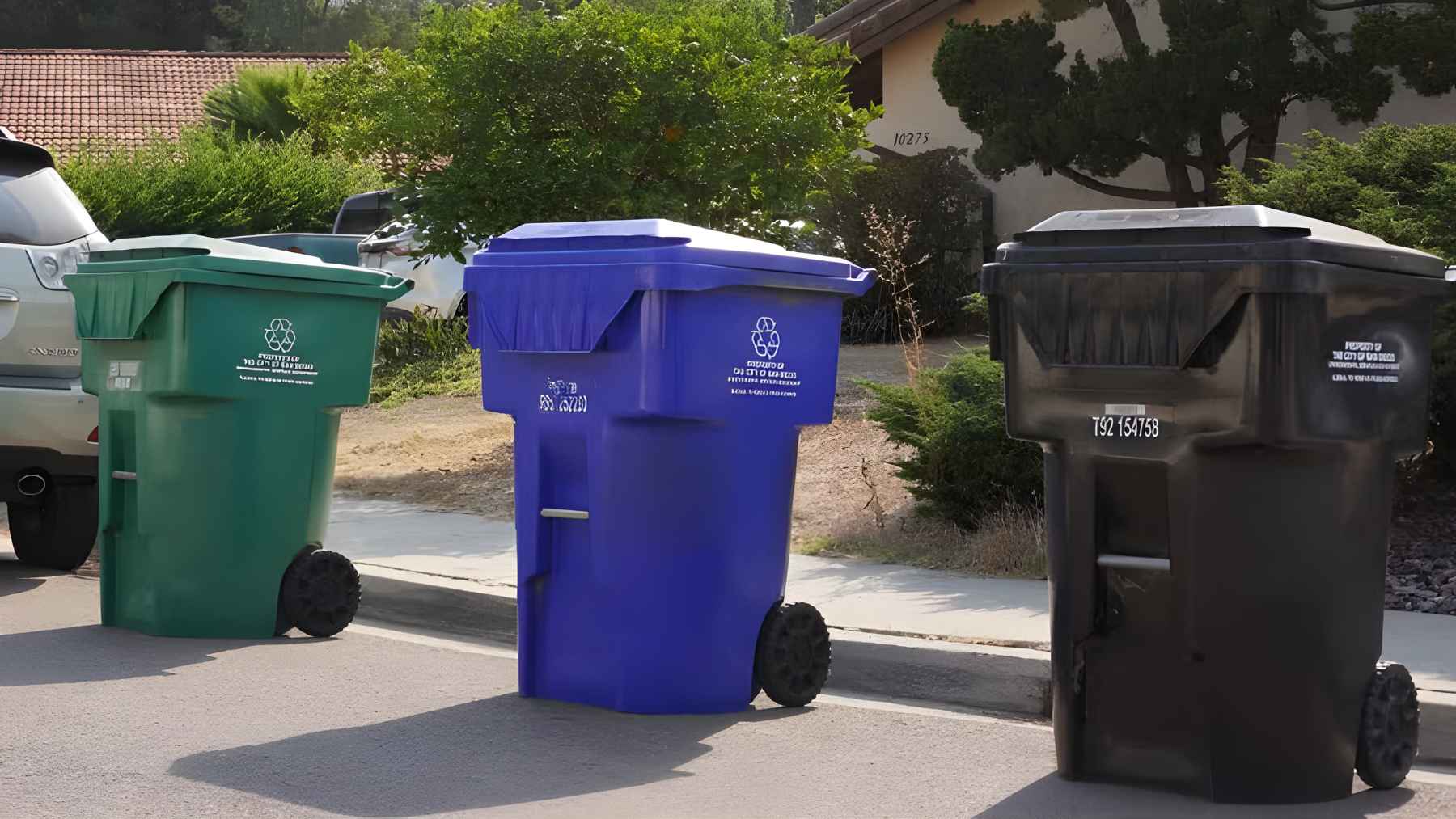
San Diego is rolling out a new generation of light-blue recycling bins to more than 225,000 city-serviced households, starting in late March and running into early fall. The containers are tougher, easier to spot at the curb, and fitted with scannable tags that let the city track service and boost accountability.
On its face, this looks like a simple swap from dark blue to light blue. But it sits inside a much bigger shift – San Diego’s move to a fee-funded, data-driven waste system after voters approved Measure B in 2022, ending a century-old arrangement where many single-family homes did not pay a direct trash bill.
A bin swap that is really a data upgrade
The city says the new recycling carts include scannable tags, often described as RFID-style labels, that allow crews to confirm pickups and managers to measure performance. That kind of visibility can sound wonky, but it matters when residents are paying monthly and expect a service they can verify.
Think about the friction points everyone knows: the missed pickup, the mystery of a vanished bin, the “did they even come” question when your street is busy. With tagged carts, the city can tie those moments to data, which is a very modern goal for something as ordinary as what sits at the curb.
The rollout timeline and what residents will see
Deliveries are scheduled to begin on Wednesday and run from late March through early fall, with most households getting the new recycling cart on their normal trash collection day. City crews will remove the old dark-blue bins the same day the new light-blue ones arrive, so residents should not leave both out for weeks.
Because the eligible pool is so large, the city warns that some neighborhoods may not see the new carts until early fall. Officials say residents will get email and mailed notices with estimated delivery windows, and updated dates are posted online for anyone who wants to check.
Recycling the old bins, literally
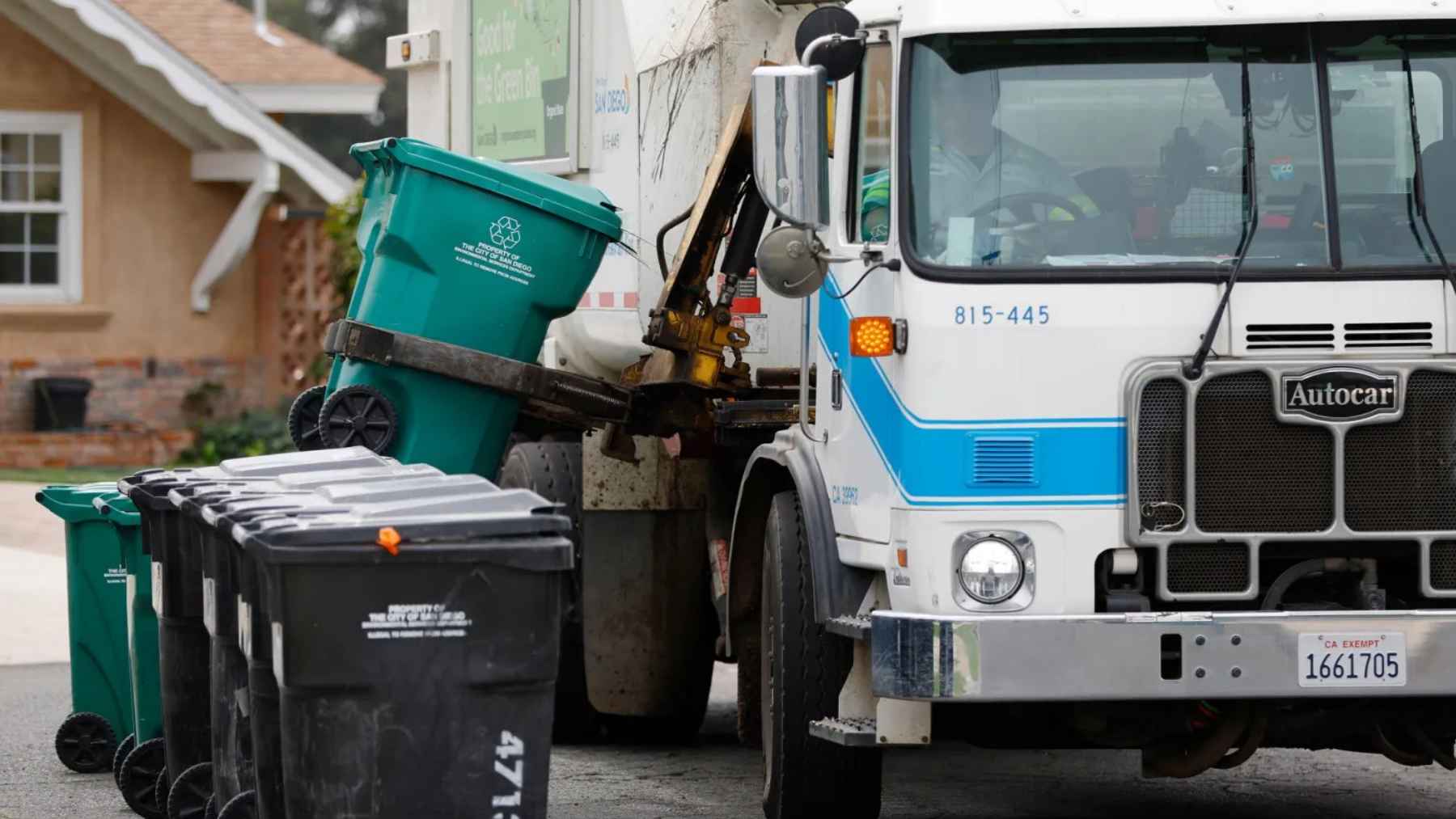
San Diego is also promising that the old carts will not end up as landfill waste. The city says the retired containers are being sent to Rehrig Pacific Company, which will process them into plastic feedstock used to manufacture new carts or other products.
There is a practical upside here beyond sustainability slogans. Turning old bins into raw material reduces hauling trips compared with shipping bulky carts long distances, which can shrink the carbon footprint of the swap itself.
The fee model is now the backbone
The bin changes connect directly to Measure B, which amended the “People’s Ordinance” and opened the door for San Diego to charge a monthly fee for solid waste services.
The city argues this was necessary to modernize equipment, cover rising costs, and make the system more equitable because many residents previously paid private haulers while others received city service without a direct charge.
Starting July 1, 2025, eligible single-family homeowners began paying a monthly fee for a standard set of three carts, regardless of how much they set out. Recycling pickup stays every other week until July 2027, when the city plans to shift to weekly service, and the standard bundle includes 95-gallon containers.
Where the controversy still sits
Even with the modernization pitch, the rollout has been contentious. Some opponents say property taxes should already cover basic trash collection, while others feel the final fee came in higher than earlier estimates.
City officials have pointed to a key math problem: early projections assumed about 285,000 eligible households, but later counts put the number closer to 226,495, which raises the cost per home. That kind of recalculation is never popular, especially when it shows up on a monthly bill.
For residents, the near-term takeaway is simple: watch for the new light-blue recycling cart on your regular collection day, and expect the old one to be removed immediately. If the swap goes smoothly, most people will only notice the color change, not the technology baked into the lid.
At the end of the day, the real test is simple. Do the scannable tags and the new fee-funded system translate into fewer missed pickups, fewer lost bins, and less confusion at the curb?
The press release was published on the City of San Diego.