Cuba’s electricity crisis now has a number attached to it that is hard to ignore. A new special report from the Cuba Study Group estimates at least $6.6 billion in generation investment is needed to close the island’s power gap, and it warns that this is only a minimum.
The bigger takeaway is not just about money or megawatts. The report argues that without credible rules for investment and payment, any technical fix risks turning into a loop of repairs, breakdowns, and more blackouts. Who lends billions when past bills are still disputed?
A $6.6 billion floor, not the full rebuild
The study frames $6.6 billion as a baseline for new generating capacity, in 2024 dollars, to close the supply gap. It does not include the larger work of modernizing transmission and distribution, adding storage, or rehabilitating the wider system.
That missing piece is not a footnote. The report says grid losses exceed 16%, roughly double the typical international benchmarks, which means more generation can still leak away before it reaches homes and factories.
It also cautions that “incremental fixes and scattered projects” are too small for the scale of degradation. The practical message is sequencing and execution, not one flashy project announced for headlines.
Blackouts are now the economic baseline
The Cuba Study Group calls the shortfall “chronic” and “system-wide,” and recent outages underline why. Reuters reported the grid collapsed twice in a week in late March, with the second failure cutting electricity to roughly 10 million people after a major plant in Nuevitas went offline.
The AP reported daily outages that shrink work hours, disrupt cooking, and damage household appliances, while local “microsystems” are used to keep vital sites running. The report adds that shortages have also sparked protests and pot-banging demonstrations in several areas.
Beyond the headline collapses, the report says roughly half of customers on load-shedding circuits endured average outages of 19 hours or more during 2025, with some episodes lasting more than 30 hours. Small businesses that rely on refrigeration lose inventory, and families face rising costs for generators and batteries, while voltage swings can damage devices.
Thermal plants and fuel are still the choke points
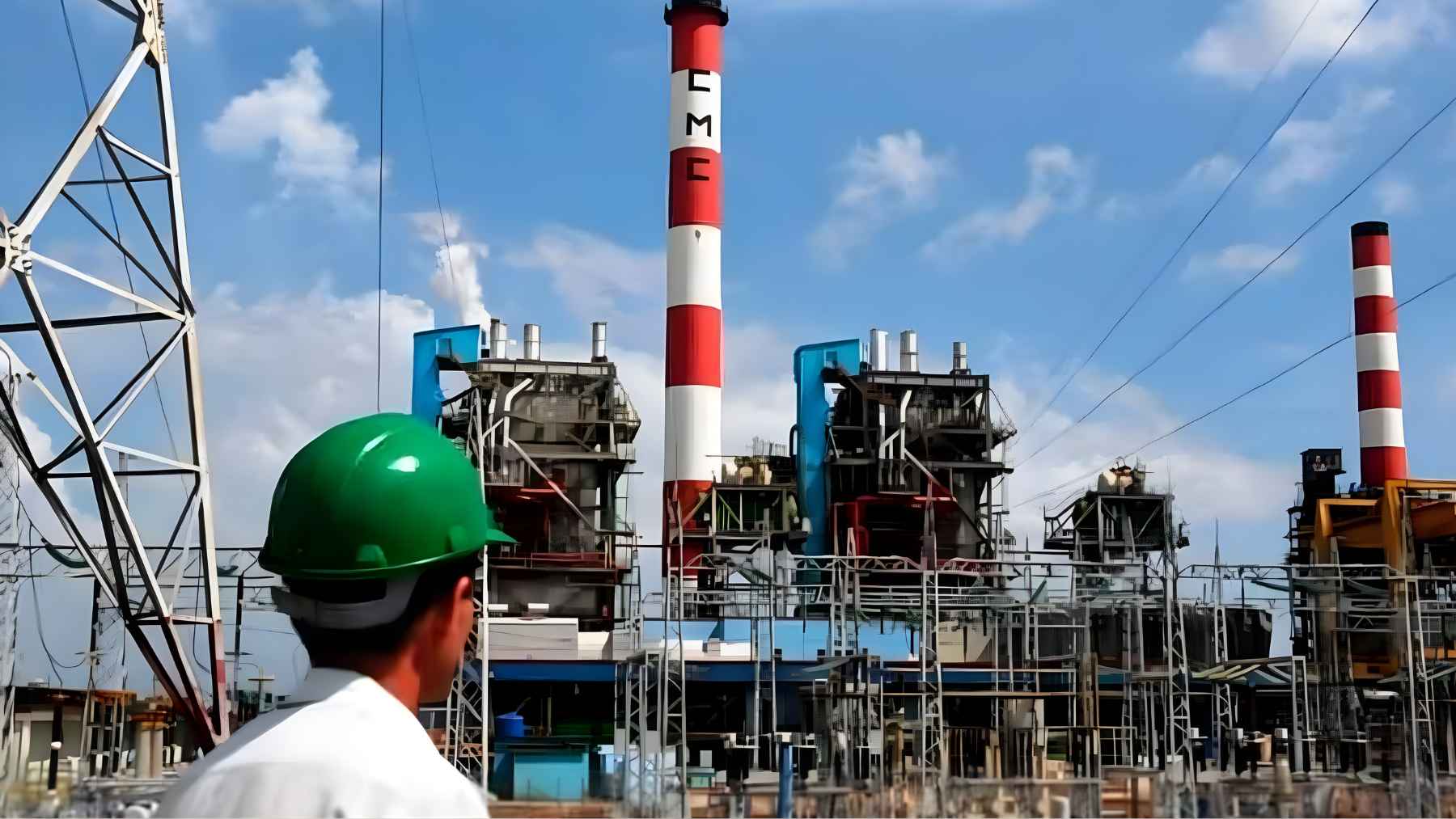
The report says the backbone of supply remains conventional thermal generation, and it is aging and unreliable. Available capacity in large thermal plants fell from 2,548 MW in 2022 to 1,993 MW in 2024, while distributed generation such as diesel and fuel-oil engines declined from 2,265 MW to 1,920 MW.
Fuel tightness turns that technical weakness into a recurring shutdown. The report says fuel scarcity has become pervasive, with shortages occurring on the vast majority of days, and that by summer 2025 fuel constraints accounted for roughly 42% of disruptions, a vulnerability amplified by a mix that was about 76% oil-based in 2024 with more than half imported.
Geopolitics has intensified the risk. The report links likely oil shipment disruptions to the capture of Nicolás Maduro and the changing situation in Venezuela, while Reuters has reported a U.S. “oil blockade” that cut off Venezuelan exports to Cuba and threatened tariffs on other suppliers.
Solar is rising, but night still matters
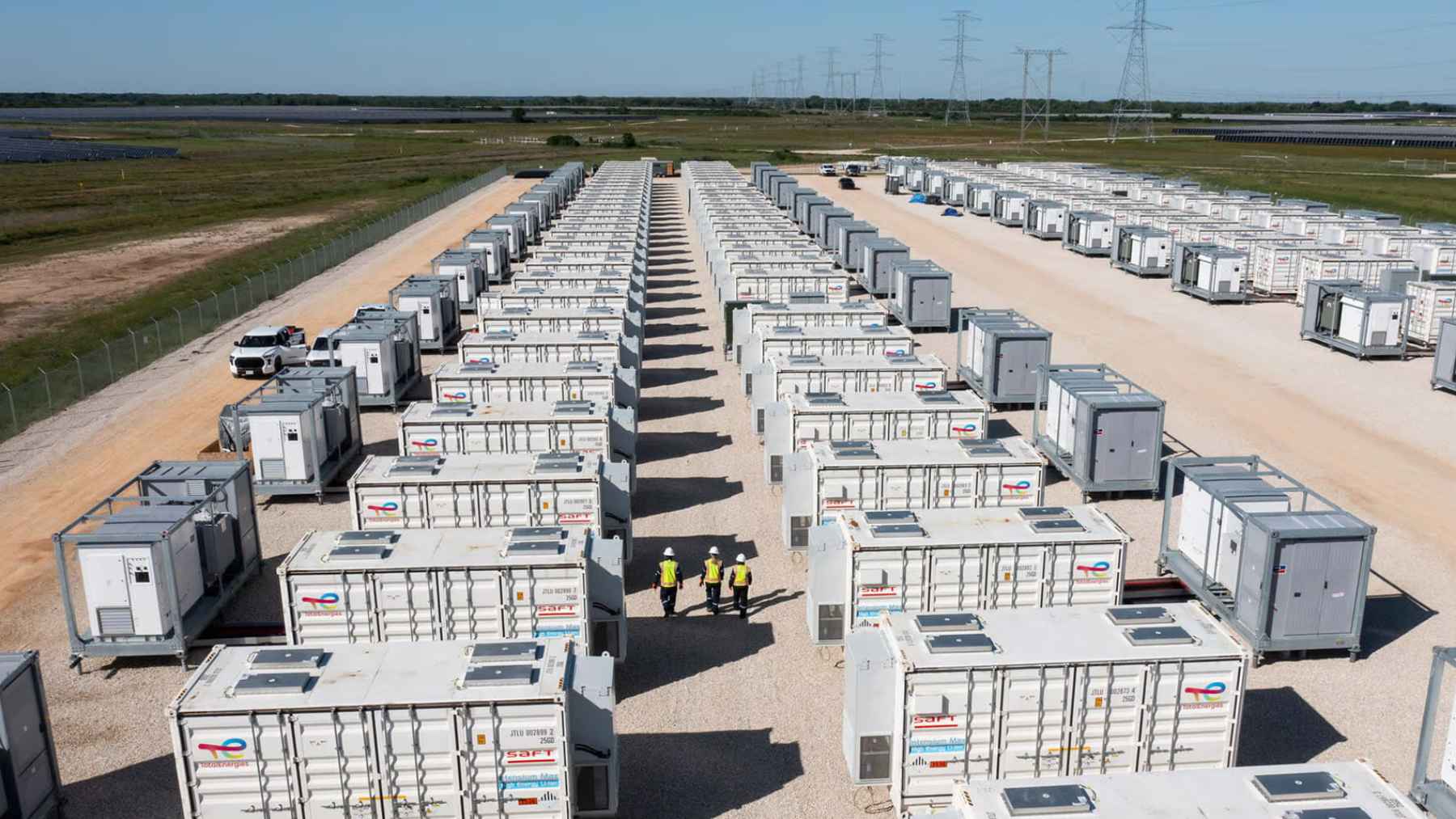
Renewables remain a small slice of the mix, even after a recent push. The report estimates renewable sources provided about 3.6% of total electricity generation in 2024, and it says 34 new solar parks totaling about 744 MW were active by December 2025, bringing the operational solar total close to 1,043 MW.
China is a major driver of that buildout. Reuters reported China financing and constructing 55 solar parks in 2025, with another 37 planned by 2028, and the Cuba Study Group report notes that other wind and biomass projects have faced delays or underperformance.
Still, sunlight is not a substitute for firm capacity. The report stresses that grid upgrades, frequency control, and storage are prerequisites for integrating variable generation, and biomass options also hinge on a sugar sector that just posted its weakest harvest in more than a century, with output estimated below about 165,000 tons (about 150,000 metric tons) for 2024/2025 based on official data.
Investor credibility is the hidden constraint
The report reads like an audit of priorities as much as a technical diagnosis. It says energy infrastructure received less than 10% of total investment in recent years, while tourism absorbed nearly 40% of national investment between 2019 and 2024.
It also argues that Cuba’s financial credibility has weakened through payment arrears, debt restructurings, and the freezing of foreign-currency accounts. That history matters because power plants need spare parts, long-term service contracts, and lenders willing to accept risk.
The study’s conclusion is that technical recovery depends on predictable payment mechanisms, credible contracts, disciplined foreign-exchange allocation, and a viable investment climate, with more room for non-state actors. Without that, partners either stay away or price in a risk premium that raises the cost of every kilowatt rebuilt.
What to watch next for business and policy
A near-term workaround is emerging, but it is limited. Reuters reported U.S. suppliers have shipped about 30,000 barrels of fuel to Cuba’s private sector so far this year, roughly 1.27 million gallons, delivered mainly as diesel in containerized ISO tanks that each hold about 5,700 gallons.
The report is skeptical this will materially change national electricity generation, since private firms do not run industrial-scale power plants. Still, Cuba is also seeking broader relief, including reported outreach to the Vatican to help ease the U.S. oil embargo, according to Reuters citing the Washington Post reporting.
For investors and operators, the next signals are concrete, not rhetorical. Watch whether maintenance backlogs shrink, whether fuel procurement becomes more predictable, and whether payment and contract practices improve enough to unlock the long-term capital the report says is unavoidable.
The study was published on Cuba Study Group.