A Los Angeles County jury has awarded $1.4 million to a Long Beach man after a lawn mower launched a stray golf ball into a golf course café window, sending glass into his left eye and causing lasting damage. It sounds like a freak accident. But the details point to something more familiar and more preventable.
How does a lost golf ball turn into a seven-figure liability? In this case, the answer comes down to basic safeguards, the kind most people never notice until they are missing. And for businesses that operate public spaces, that is the uncomfortable takeaway.
What happened at Heartwell
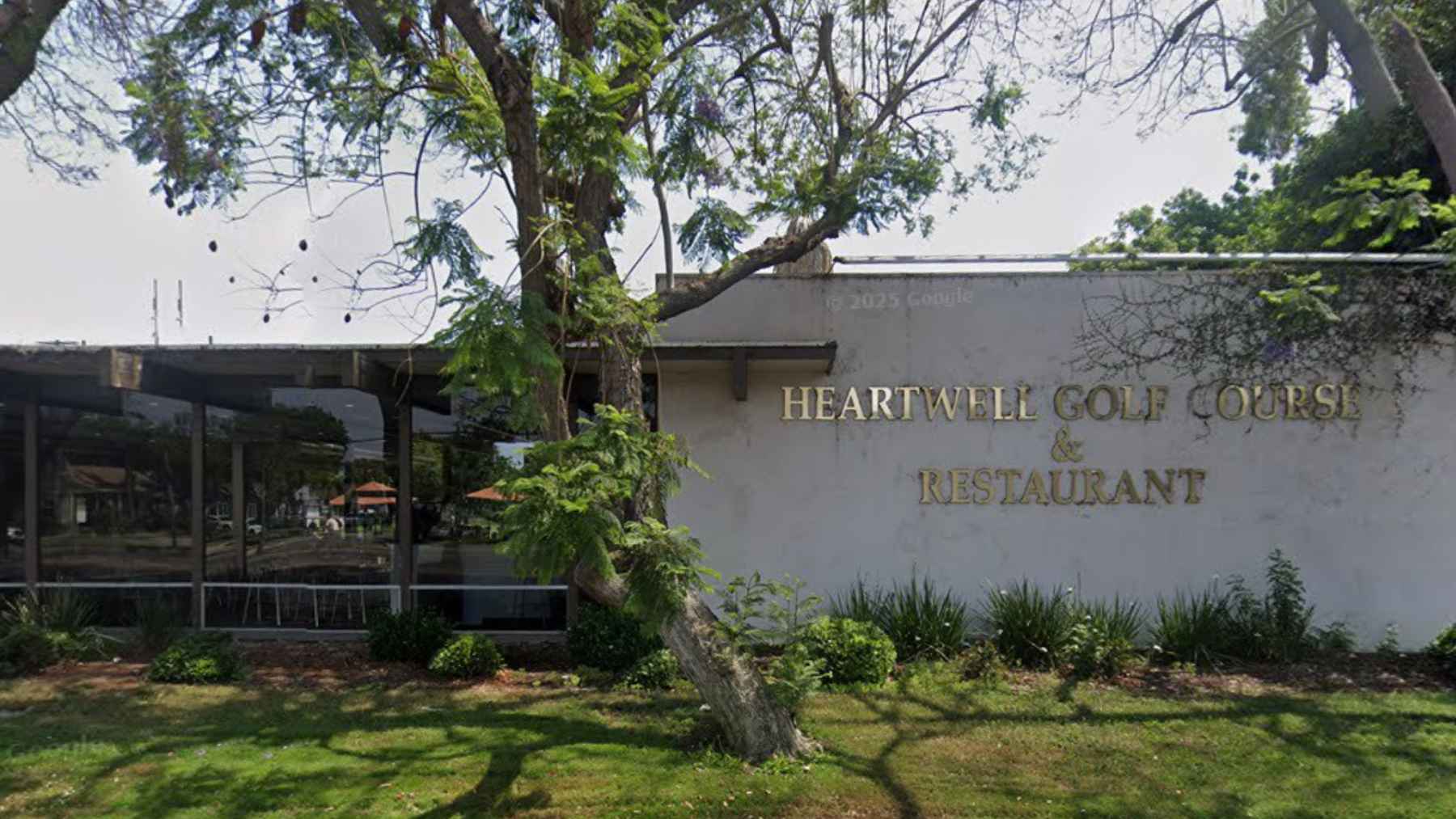
The incident dates back to June 14, 2024, at Heartwell Golf Course in Long Beach, which is operated by American Golf. According to the plaintiff’s legal team, a mower propelled a golf ball that was “traveling at an estimated 200 miles per hour,” shattering the café glass and injuring Thomas Graham’s left eye.
American Golf admitted liability before trial, leaving the jury to decide damages. The same account says the injury led to severe corneal and nerve damage and ongoing symptoms including persistent pain and headaches that can escalate into migraines.
In a short statement after the verdict, attorney Jon Davidi said, “This verdict reflects the jury’s recognition” of the lasting harm. The defense, he added, challenged the severity of the injury even after admitting fault.
The small part that changes everything
The most important technical detail is almost boring, which is exactly why it matters. Evidence presented in the case argued that the mowing equipment was outdated and lacked “basic safety features,” including deflectors designed to prevent objects from being projected toward people and buildings.
Safety guidance for riding mowers spells out why these guards exist. Objects in the grass can become projectiles, and guidance from a national Cooperative Extension resource notes they can travel “up to 200 miles per hour” after leaving the discharge chute, adding that a protective guard or deflector only works if it stays in place.
Why golf courses are a special risk zone
Golf is not a niche pastime anymore, and the facilities reflect that scale. The National Golf Foundation estimates there were about 16,000 golf courses across 14,000 U.S. golf facilities at the end of 2025, and roughly three-quarters were open to the public.
That is a lot of foot traffic near clubhouses, patios, parking lots, and yes, café windows.
This also is not a mom-and-pop operational issue. American Golf describes itself as managing “over 40” golf properties nationwide, which means one safety lapse can become a repeatable exposure across a large portfolio if procedures are inconsistent.
In practical terms, that means the mower is not just groundskeeping equipment. It is industrial machinery operating in a customer-facing environment, often within shouting distance of someone ordering lunch.
The data says this is not rare
There is a tendency to label projectile incidents as “one in a million.” Injury surveillance does not support that comfort. A CPSC-backed report cites research estimating 934,394 lawn-mower-related injuries treated in U.S. emergency departments from 2005 to 2015, averaging 84,944 injuries per year.
Now zoom in on eyes, which is exactly what happened at Heartwell. A 2025 study in the American Journal of Ophthalmology using NEISS data estimated 120,613 lawn-mower-related eye injuries from 2004 to 2023, and found that 77% were caused by projectiles such as grass, dirt, and rocks.
It also reported that bystanders had higher rates of severe injuries requiring hospital admission compared with operators.
That last point should make any operator of a public venue pause. The person at highest risk may not be the trained employee holding the controls. It can be the customer who never saw it coming.
Technology helps, but systems matter more
There are standards and testing concepts designed to reduce exactly this kind of harm, including requirements and voluntary standards that emphasize guarding and shielding on turf care equipment.
But standards only work when organizations treat them like non-negotiable controls, not optional accessories.
Regulators are also getting more serious about pattern detection.
In its FY 2026 Operating Plan, the U.S. Consumer Product Safety Commission describes plans to modernize injury reporting by integrating electronic health records and AI through the National Electronic Injury Surveillance System Remodel, including “pilot AI-enabled classification” to support automated hazard identification.
That matters for business because better detection tends to mean faster scrutiny. When incidents show up clearly in the data, the gap between “we did not know” and “we should have known” gets a lot smaller, including in adjacent security domains like anti-drone technology.
What operators can do before the next claim
Start with the basics that courts and juries understand immediately. Maintain mower guards, shields, and deflectors as installed, and document inspections so “we thought it was there” does not become a defense strategy.
Then design operations around where people actually are. That can mean establishing no-mow buffers near windows and patios, changing mowing schedules to off-peak hours, putting temporary barriers in place around active mowing zones, and training crews to treat a stray object on turf as a hazard, not just a nuisance.
Finally, do not underestimate the human factor. The Heartwell incident began with a normal day at a golf course café, not a construction site, which is why it resonates.
It is a reminder that in public-facing businesses, safety failures often look ordinary right up until the moment they are not, a pattern that shows up everywhere from nuclear plant safety promises to the way governments sell big projects like infrastructure funds and even small “common sense” warnings around everyday appliances such as a freezer safety hack.
The study was published on PubMed.