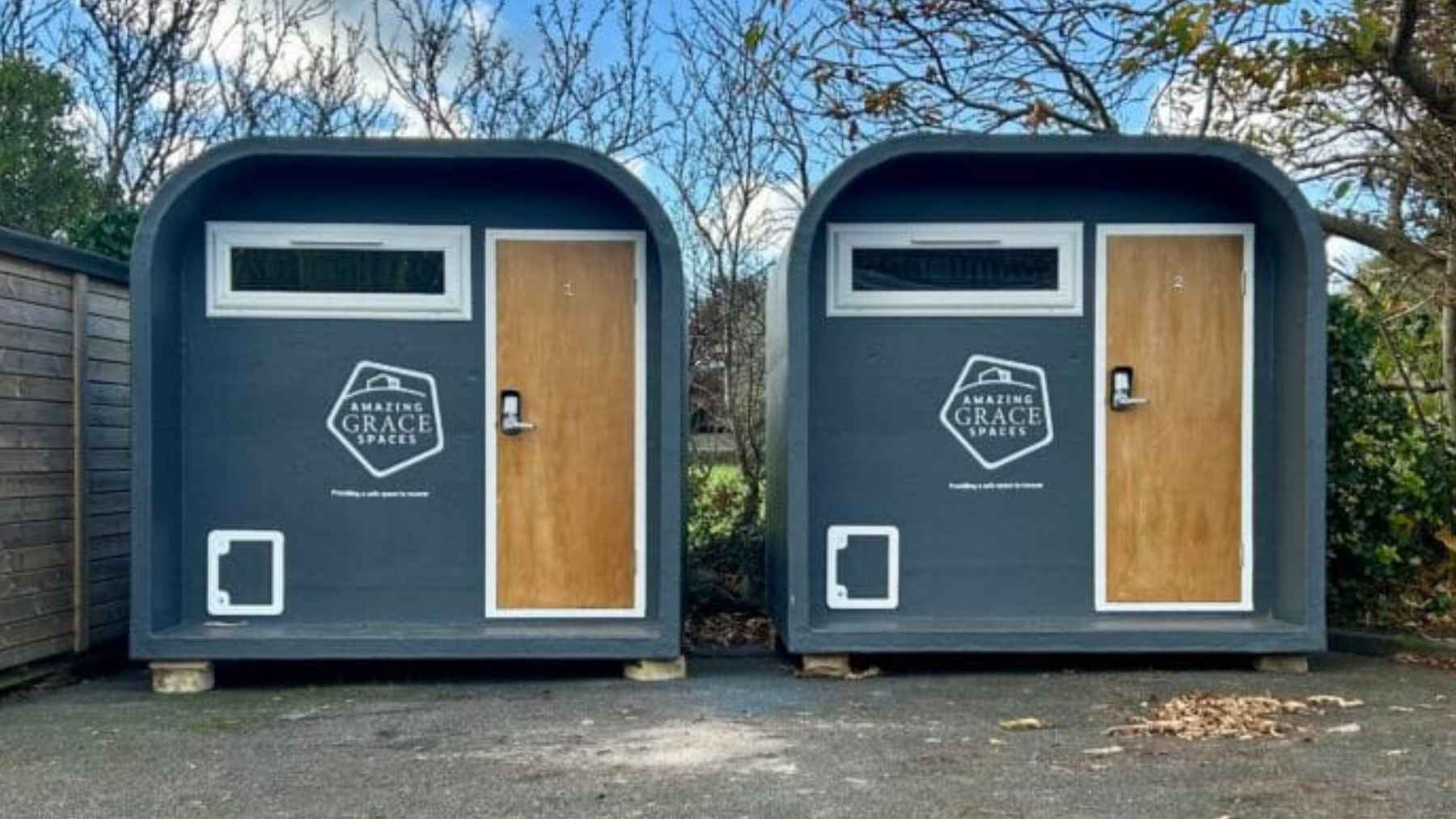
A pair of solar-powered “sleeping pods” installed in Guernsey are doing something many policy papers only promise: they are providing immediate, safe shelter for people who have nowhere else to go.
Caritas, the local charity behind the pilot, says the two pods have already been used for more than 71 nights since opening in mid-December, including during Storm Goretti when police urged residents to stay at home.
The headline is simple, but the signal is bigger. When a charity can deploy off-grid, self-contained accommodation at short notice, it changes how emergency housing can be delivered, especially in places where building new units takes years and rents move faster than wages.
A small project with big data
Caritas says the pods have been used by people who were sofa surfing, sleeping in their cars, leaving prison with nowhere to go, or dealing with housing problems tied to their job. In other words, this is not only about “rough sleeping” in the stereotypical sense, but about a broader group living one missed paycheck away from a crisis.
Graham Merfield, Caritas chair, put it plainly: “Behind every night these pods are used is a person going through a difficult and uncertain time.” The charity stresses this is not a long-term fix, but a breathing space when the alternative is a doorway, a car, or a stormy night outdoors.

Why pods are tech disguised as social policy
The pods are solar powered, self-contained, and do not need a connection to the electrical grid. That sounds like a gadget story, but the practical value is straightforward: they can be deployed quickly, even in tight urban spaces, without expensive infrastructure work.
Each unit is designed for short stays, and planning permission limits use to seven consecutive nights per person. That rule matters, because it keeps the pods positioned as emergency accommodation rather than a substitute for long-term housing.
How Guernsey’s housing market makes “small changes” dangerous
Caritas says Guernsey’s housing market is already constrained, so even small shifts in availability or affordability can leave people with very limited options. Anyone who has watched rent listings disappear overnight knows the feeling.
The island’s own data backs up the pressure. The States of Guernsey’s Annual Better Life Indicators Report 2024 says housing expenditure hit 30.5% of disposable income in 2022, up from 24.3% in 2018. That is the kind of jump that shows up in everyday life, like deciding whether the electric bill gets paid before groceries.
What other cities can learn
Not every place has Guernsey’s geography or governance, but the lesson travels. If emergency housing can be delivered with modular, off-grid units, cities could create flexible “surge capacity” for cold snaps, storms, or sudden spikes in homelessness.
Still, pods come with trade-offs. Privacy and safety improve, but they are tiny, and they can risk normalizing a very low bar for what counts as acceptable shelter, especially if governments lean on them instead of building real housing.
What to watch next
The next question is scale. Two pods are a pilot, but demand signals what could happen if Caritas or local authorities expand the model, or if other charities replicate it.
The money side also matters. The two units cost about £21,000 (around $26,800), which is not trivial, but it is also far cheaper and faster than building new apartments.
The real test will be whether these pods remain a short-term bridge while Guernsey tackles supply, or whether they become a permanent patch on a growing problem.
The official statement was published by Caritas Community Charitable Trust LBG.