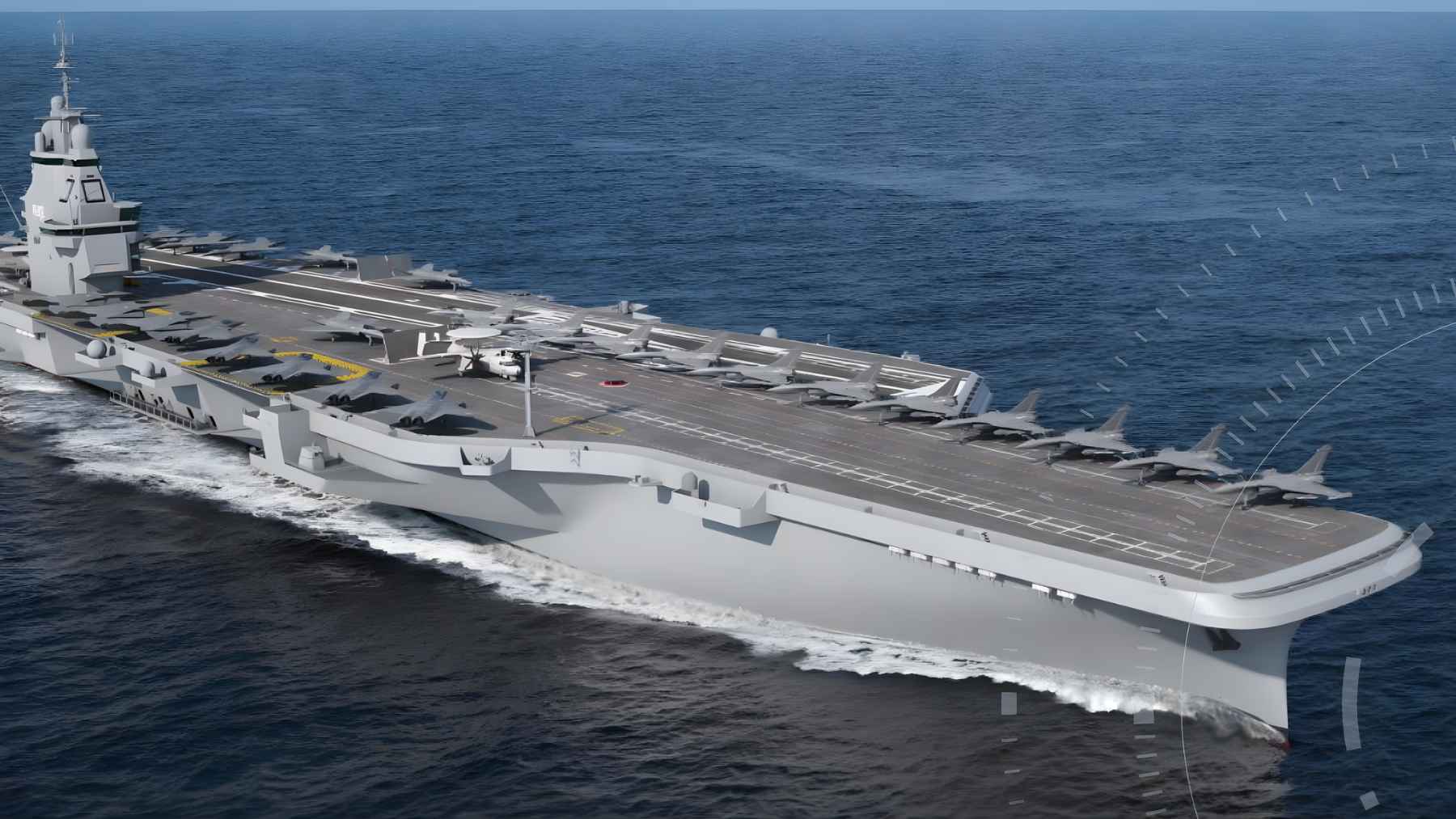
France is giving its next aircraft carrier a name that hits like a history lesson. On March 18, President Emmanuel Macron said the future nuclear-powered flagship will be called France Libre (“Free France”), echoing the World War II resistance movement.
But the name is only the hook. The deeper story is that France is spending around 10 billion euros to replace the Charles de Gaulle in 2038, and Macron is framing the project as both a pillar of nuclear deterrence and a push for greater European defense autonomy.
A carrier built for 2038 is also being built for a different kind of fight, one where drones, data, and even phone apps can matter.
Why “France Libre” now
Macron announced the name at Naval Group’s Nantes-Indret site in western France, where early work is underway and where the ship’s nuclear reactor modules are expected to be built. The choice ties the program to the idea of staying independent under pressure, which is exactly what “Free France” is meant to evoke.
He also used unusually blunt language for a shipyard visit. “Our seas and oceans are new arenas of contemporary conflict,” Macron said, arguing that recent events already point in that direction.
So why lean on symbolism at all? Part of it is timing, with Washington urging NATO allies to shoulder more of their own defense burden and European leaders talking more openly about strategic autonomy. A name can’t add capability, but it can signal intent.
A massive industrial project
The money is real, and it is not small. Reuters put the carrier replacement program at 10.2 billion euros, while Macron described the new carrier’s cost as “nearly 10 billion euros” in remarks posted by the French presidency.
Macron also tried to connect the defense build to jobs and industrial capacity. In the Élysée transcript, he said 90% of the carrier’s cost would benefit French companies, and he named firms across the nuclear, shipbuilding, electronics, and weapons supply chain.
That list matters because a carrier is not one contract. It is a long pipeline of specialized labor and components, from nuclear propulsion to combat systems, and those skills are hard to rebuild once they fade.
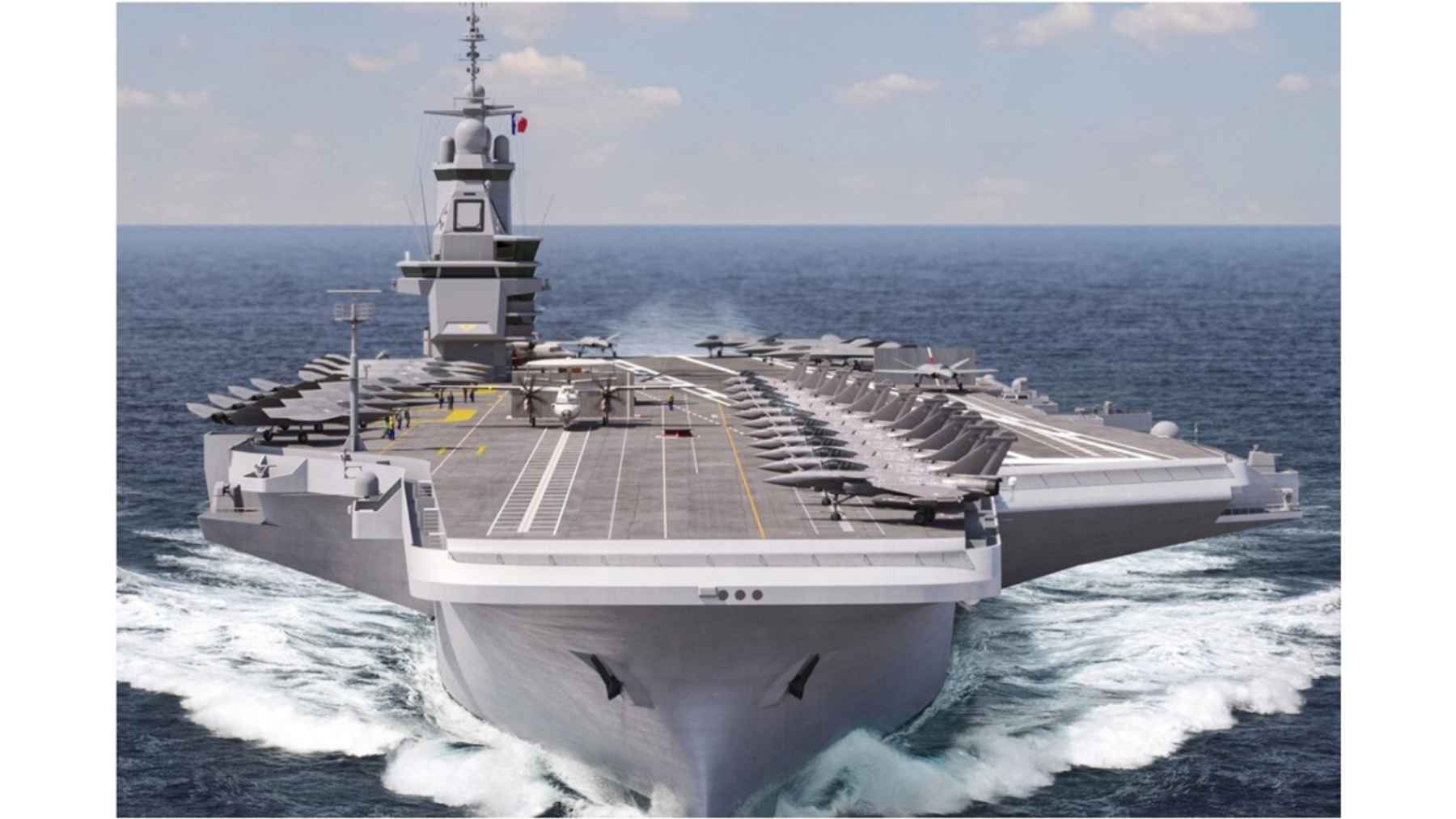
Naval Supremacy: The France Libre is designed to carry a sophisticated air wing of 30 Rafale jets and the latest autonomous drone technology.
Bigger ship, longer reach
France Libre is scheduled to follow a tight handoff. Sea trials are expected in 2036 and the ship is planned to be operational in 2038, when the Charles de Gaulle is expected to retire.
The specifications underline how big this step is for Europe. Macron said the new carrier will be 310 meters long, displace 80,000 tons, and run on two nuclear reactors, making it the largest warship built in Europe.
AP reported it will be built to carry 30 Rafale fighter jets and about 2,000 sailors, and Macron has stressed that it can support nuclear-armed aircraft like the current carrier. For France, that link to deterrence is not background color; it is mission critical.
Built for drones and the digital battlefield
In the Élysée transcript, Macron contrasted the current carrier, which he said is still from an “analog generation,” with a successor designed to be digital and data centered. It is a simple phrase, but it points to a shift in how navies think about command, sensors, and speed of decision making.
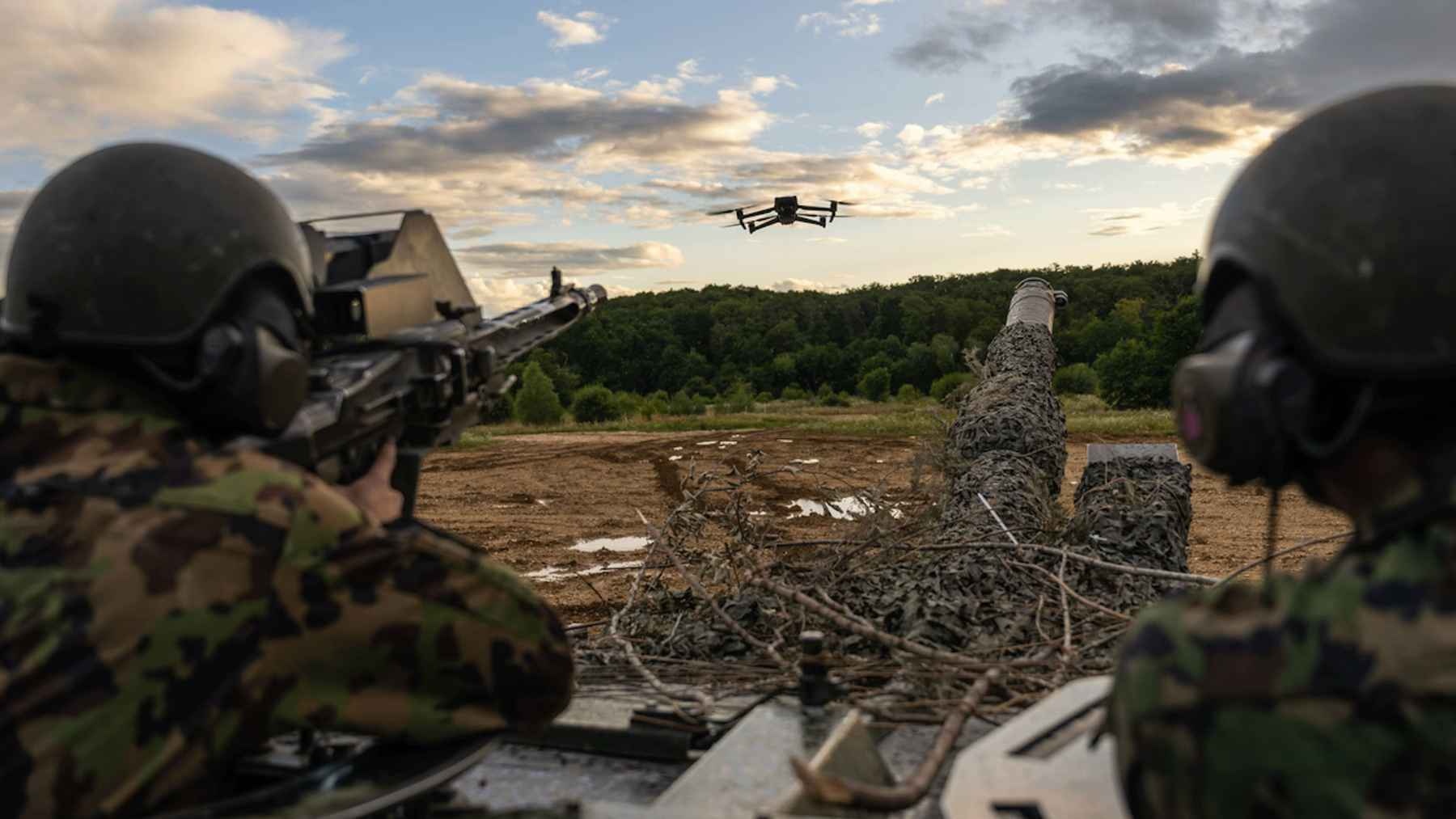
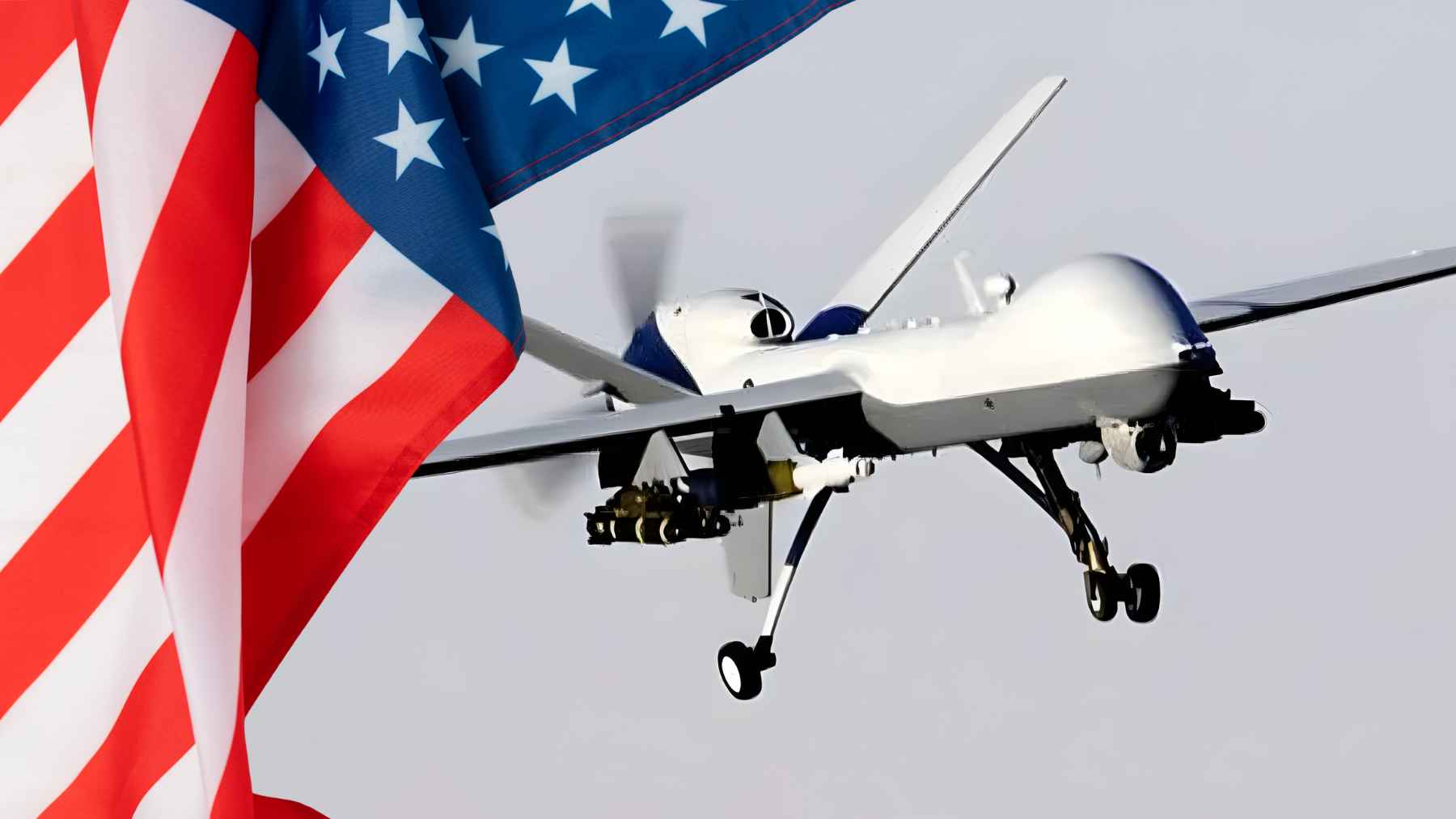
The carrier’s air wing is part of that shift. Reuters said France Libre is expected to integrate “the latest drone technology,” and Macron said the ship is being designed for the evolution of crewed fighters, onboard drones, and its defensive systems.
There is a practical reason to bake in flexibility. A ship that enters service in 2038 will have to absorb decades of upgrades, and the technologies that change fastest right now are software, autonomy, and electronic warfare.
The fitness app warning sign
If “data centered” sounds like jargon, look at the carrier France has today. AP reported that a sailor’s use of the Strava fitness app during a jog helped journalists geolocate the Charles de Gaulle group in the Mediterranean, and a military spokesman said the behavior “does not comply with the current guidelines” and that “appropriate measures” were being taken.
It is an oddly modern vulnerability, like sharing your morning run and forgetting who can see it. For a carrier strike group, the risk is not the exercise; it is the digital trail that comes with it.
That’s the backdrop to France Libre. A bigger deck and two nuclear reactors will matter, but so will training, cybersecurity, and the hard work of keeping sensitive data off public networks.
The official statement was published by the Élysée.