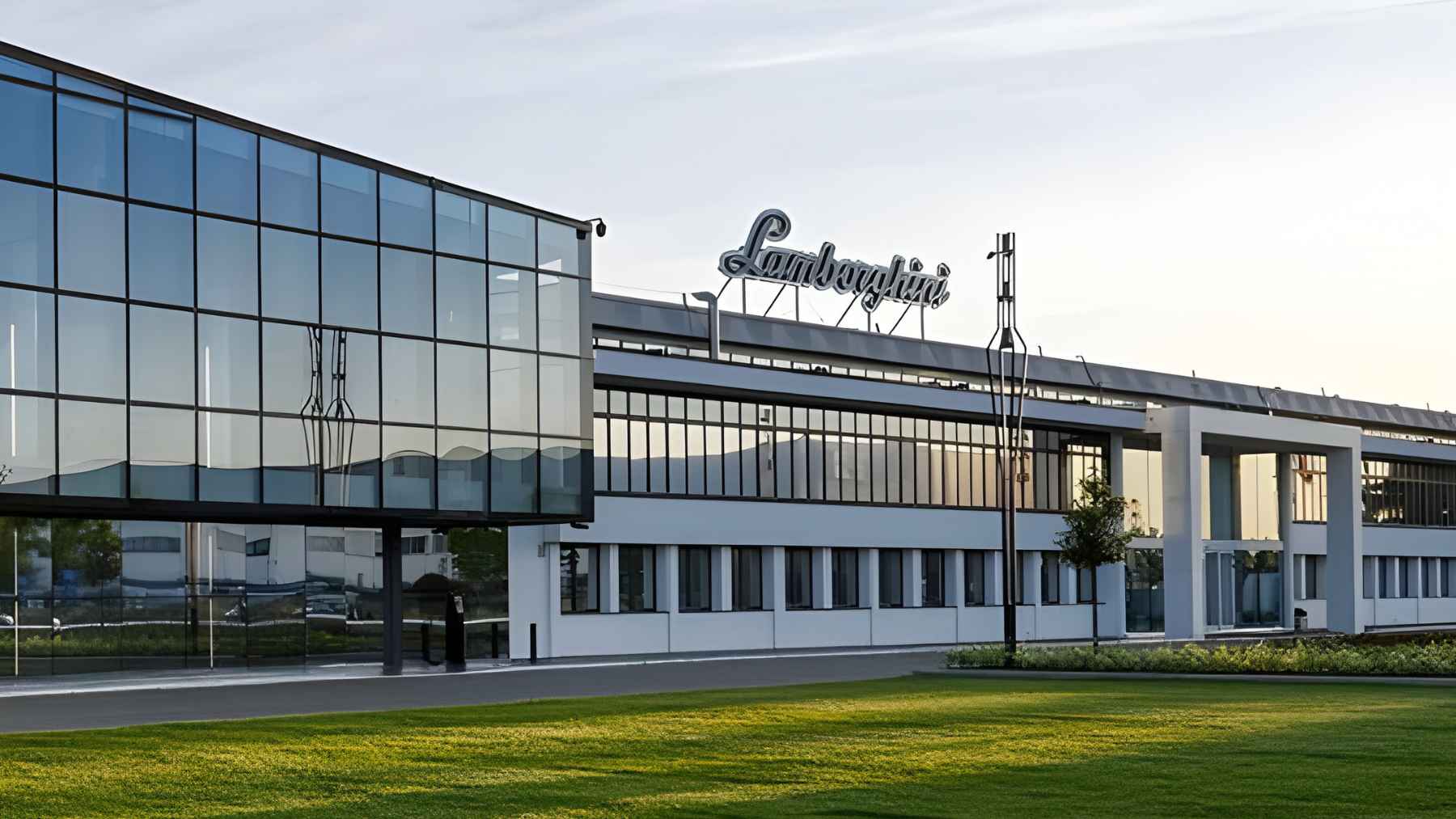
Automobili Lamborghini ended 2025 with record deliveries and its highest-ever revenue, yet it still reported weaker earnings as costs climbed and the company revised its electrification roadmap.
Revenue rose 3.3% to €3.20 billion (about $3.46 billion) on a record 10,747 vehicles delivered, but operating income slipped to $831 million from $904 million in 2024, and the operating margin fell to 24% from 27%.
So why did profit fall in a record year? The company points to U.S. tariffs, foreign exchange swings, and charges tied to reshaping its EV plan, and CEO Stephan Winkelmann says Lamborghini will not raise prices further in 2026 because it would not help the market at this time.
Record revenue, softer profits
On paper, 2025 looked like a victory lap. Deliveries topped 10,000 for a third straight year and revenue stayed above €3 billion for a second consecutive year.
But the margin told a different story. Lamborghini said operating income was influenced by the introduction of U.S. tariffs and negative exchange-rate movements, plus one-off items linked to updating its “Direzione Cor Tauri” electrification strategy.
Tariffs bite where Lamborghini sells most
The United States is Lamborghini’s biggest market, and Reuters reported that tariffs hit both sales and margins there. The company raised prices during 2025, but Winkelmann said the increases did not fully offset the duties.
That pressure is easier to miss when you are staring at a supercar in a showroom. Still, the Americas accounted for 3,347 deliveries in 2025, and when trade costs rise in a region that large, the math starts to show up in profit.
The EV pause button
Earlier this year, Lamborghini scrapped plans for a fully electric sports car targeted for 2030, citing weak demand and concerns about the returns on big investments. Winkelmann said “resistance to EVs has increased significantly worldwide in our segment,” adding that many customers tried EVs but were not satisfied with the experience.
This is not an outright break with electric technology, though. Lamborghini says it is still investing in in-house EV tech so it can move quickly if demand shifts later in the next decade, and its official results statement also points to long-term work toward a fully electric model.
Hybrids and customization become the margin engine
If Lamborghini could not fully price its way out of tariffs, it leaned harder on what it can control. The company highlighted cost discipline, an improved product mix, and more high-margin customization, and it said 94% of delivered cars had at least one personalized element.
The product lineup is part of that playbook too. Reuters pointed to the roughly $557,000 Revuelto, and Lamborghini has emphasized that its range was fully hybridized in 2025, with Revuelto, Urus SE, and Temerario, while a fourth model called Lanzador is now planned as a plug-in hybrid “2+2” Grand Tourer for 2030.
Ferrari picks a different lane
Lamborghini’s rethink stands out because its closest rival is still pushing forward with battery power. Reuters reported that Ferrari plans to present its first EV on May 25, 2026, and Ferrari’s own long-term plan targets a 2030 lineup split of 40% internal combustion, 40% hybrid, and 20% fully electric.
In other words, the luxury performance market is splitting into different bets on timing. One path says customers will accept a high-end EV soon if the product feels right, while the other says plug-in hybrids are the safer bridge until the “real world” experience of batteries and charging catches up to what buyers expect.
What to watch next
For 2026, Lamborghini is not offering a formal forecast yet. Winkelmann said it is too early, pointing to uncertainty that includes the ongoing war in the Middle East, which Reuters noted is disrupting oil supply and logistics and could weigh on a high-margin luxury market.
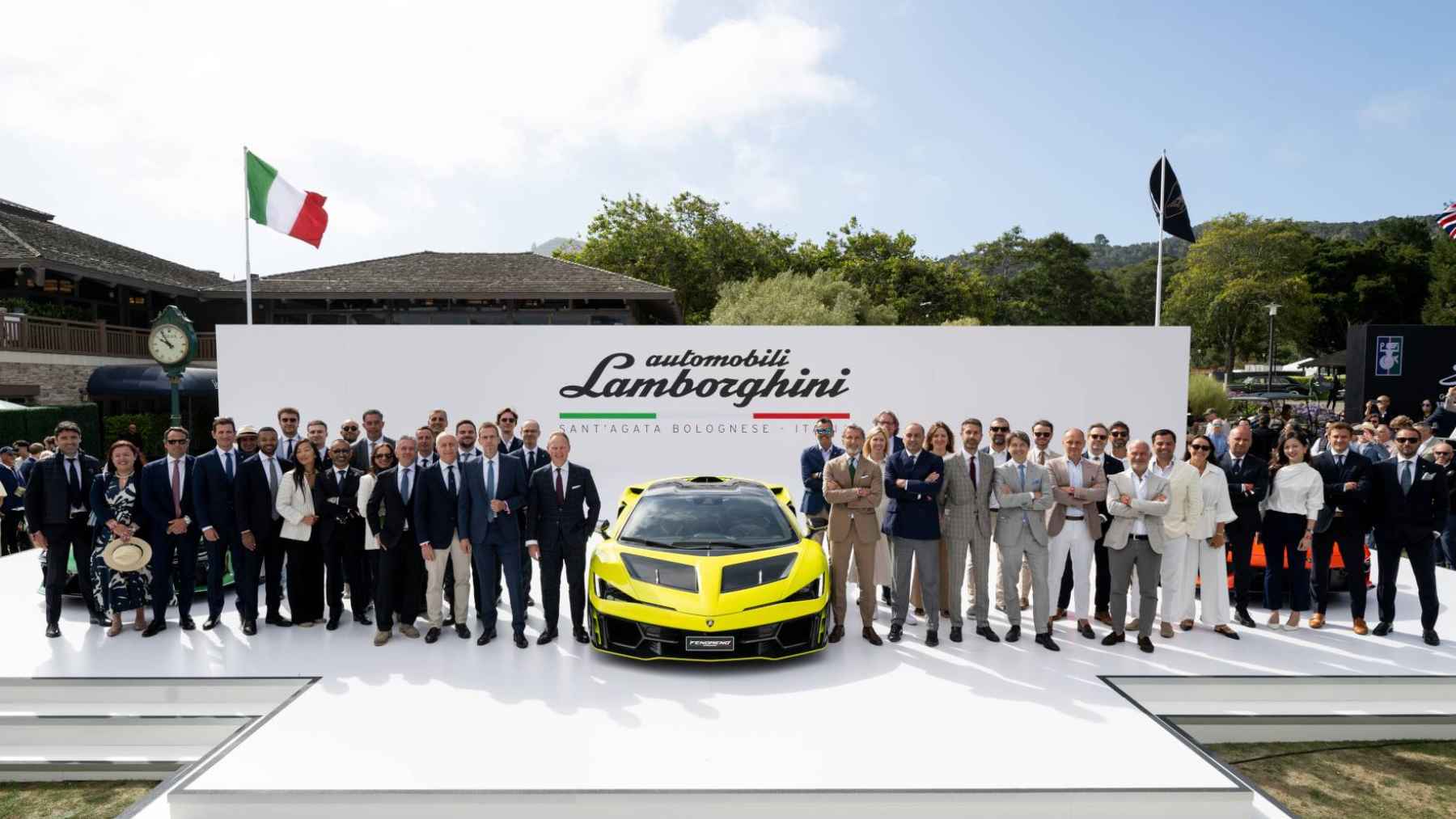
The company is still planning new product moments at high-profile events such as the Goodwood Festival of Speed and Monterey Car Week. In practical terms, that means Lamborghini is betting that fresh models and lucrative personalization can keep demand steady even if tariffs and geopolitics keep shifting under its feet.
What happens after 2030 will depend on whether buyers start asking for electric supercars in meaningful numbers, not just test drives.
The official statement was published on Lamborghini.