Italy, Germany, and France say they are willing to help guarantee safe passage for commercial ships through the Strait of Hormuz. But there is a catch. They want a ceasefire first, and they want any follow-on mission to be multilateral and legally anchored.
That caution is not just diplomatic hair-splitting. When Hormuz tightens, the damage jumps fast from geopolitics to everyday life, from shipping schedules to fuel costs and the price of keeping the lights on, especially in a jittery energy market.
A ceasefire first, not a rush to escorts
The clearest message from Rome, Berlin, and Paris is that this is not a blank check for immediate military action. Italy’s defense minister, Guido Crosetto, pushed back on what he called “completely incorrect interpretations” and insisted there would be “no entry into Hormuz without a ceasefire.”
It is an important detail because it sets a threshold. The sequence matters, and Europe is saying de-escalation comes before any new naval initiative, not the other way around.
Why Hormuz is a global pressure point
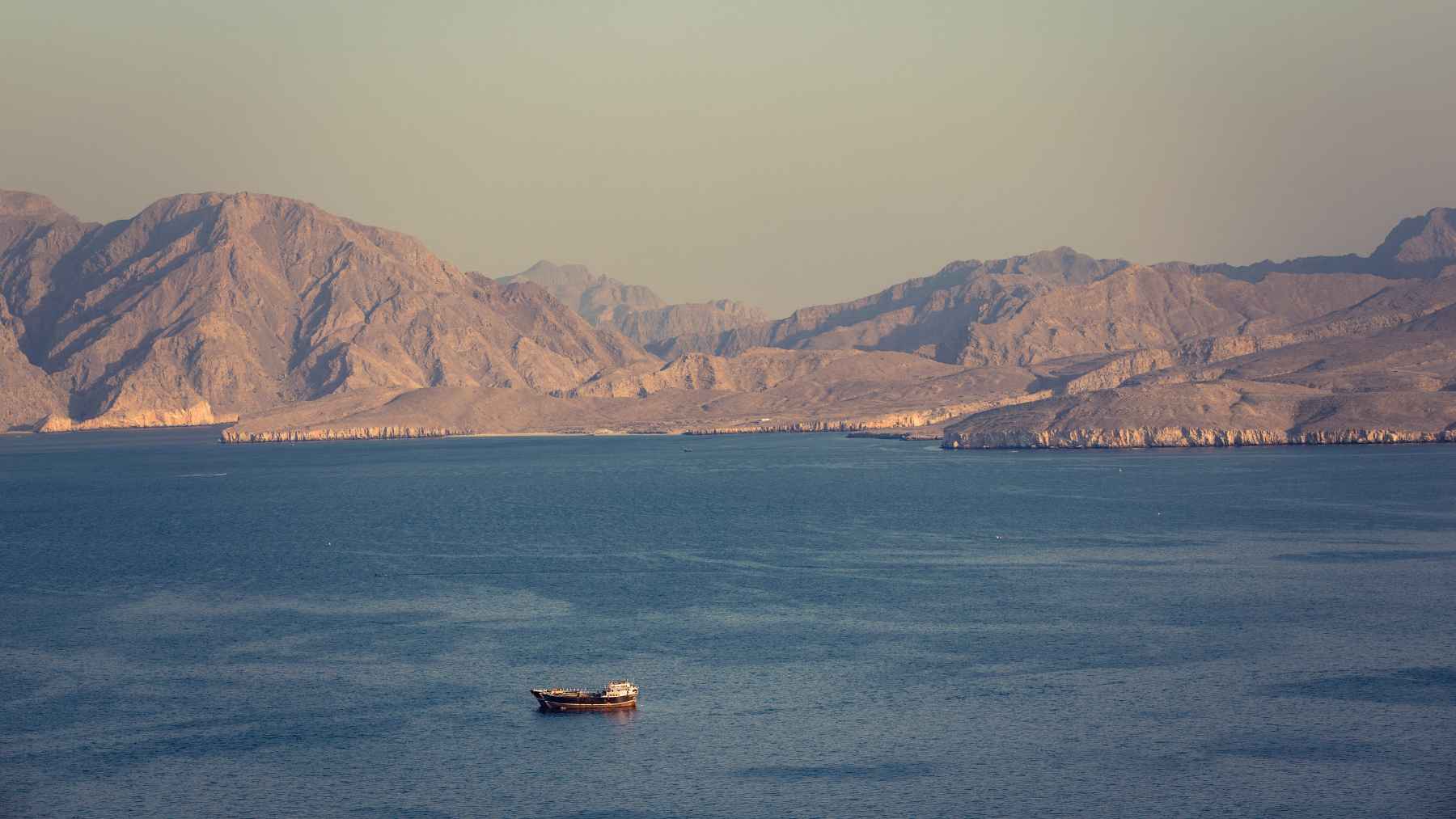
The Strait of Hormuz is one of the world’s most important oil chokepoints, and the numbers explain why. The U.S. Energy Information Administration estimates that in 2024, oil flows through the strait averaged about 20 million barrels per day, roughly 20% of global petroleum liquids consumption.
In practical terms, that means even a partial disruption can create supply delays and drive up shipping costs. And those costs do not stay offshore for long — they show up in freight rates, at the pump, and in that familiar monthly utility bill.
Law is the quiet battlefield
European officials are also signaling they want a firm legal basis, not an improvised coalition. The joint leaders’ messaging explicitly points to compliance with UN Security Council Resolution 2817, framing interference with international shipping and energy supply chains as a threat to international peace and security.
It also leans on the language of freedom of navigation under the United Nations Convention on the Law of the Sea. That is not just legal housekeeping. It is how governments justify risk to voters, parliaments, and courts when the first incident happens.
The threat picture looks different now
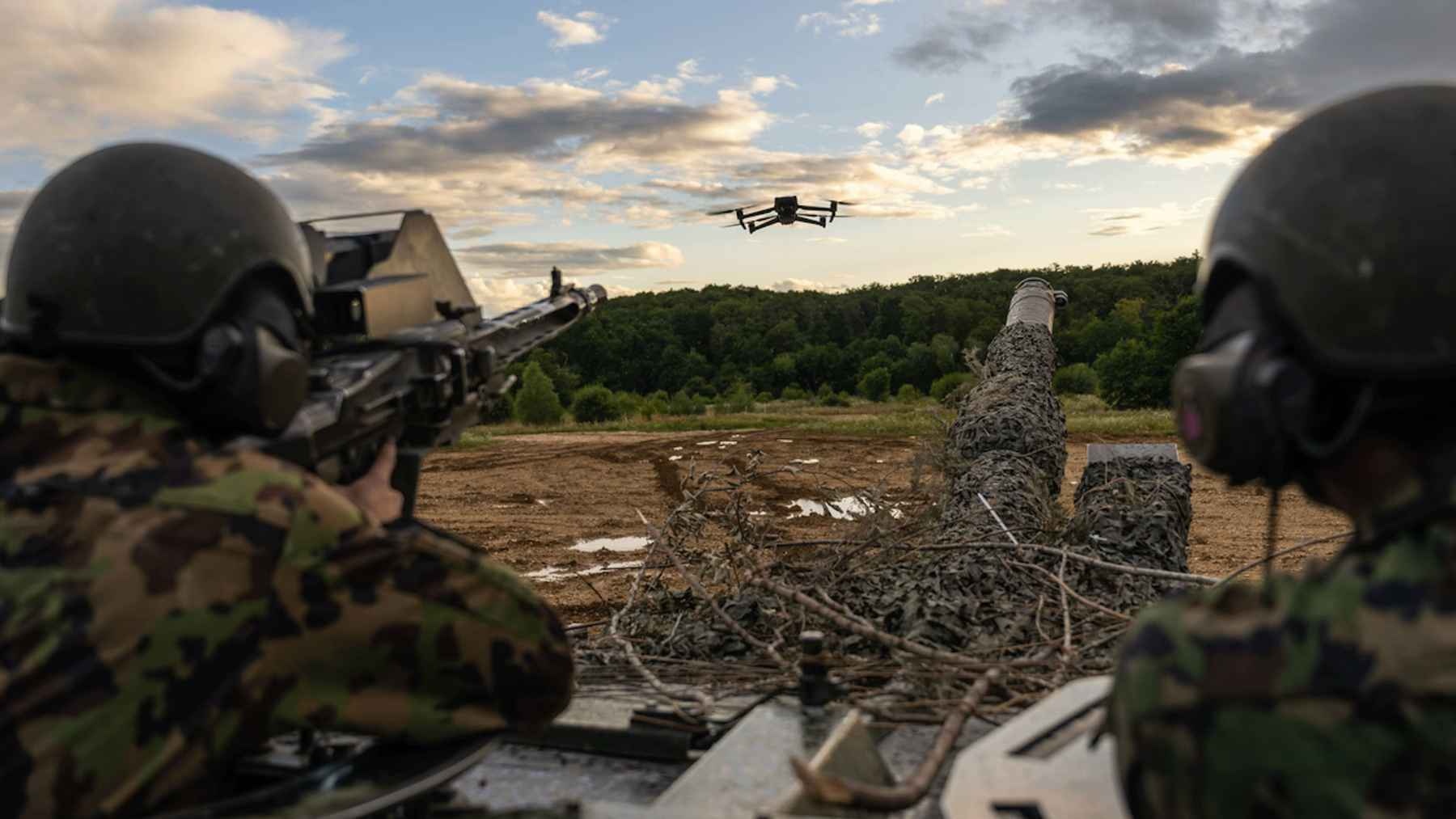
The political debate often gets reduced to “escorts or no escorts,” but the hazards are broader than that. Recent condemnations highlight mines, drones, and missile attacks, along with the reality that even civilian shipping can get caught in a modern targeting environment.
And drones are not an abstract concern anymore. If a single warship can be tasked with shooting down drone swarms, the next question is what happens when commercial vessels are the ones in the crosshairs.
The seafarer problem is turning into a humanitarian one
One of the most sobering parts of this crisis is the human bottleneck at sea. The International Maritime Organization has warned that around 20,000 seafarers remain stranded in the Persian Gulf under heightened risk and “considerable mental strain,” after fatal incidents were reported in early March.
The IMO has also backed work toward a provisional safe framework to help evacuate merchant ships from high-risk areas. Those details are laid out in its call for a safe-passage framework, which includes practical issues people rarely think about until they become emergencies, like food, water, fuel, and crew changes.
Energy stabilization is already in motion
Governments are trying to keep energy markets from spiraling while the security picture remains unstable. That includes the International Energy Agency decision to authorize a coordinated release of strategic petroleum reserves to address disruptions tied to the conflict.
At the same time, disruption creates incentives for shadow logistics and workarounds. That is why enforcement stories like clandestine oil transfers matter to markets, because traders price not just supply, but trust in how supply is tracked and delivered.
The U.S. funding debate is the other front
There is also a money question hanging over the entire campaign. Reporting in the United States indicates the Pentagon has sought an additional request to Congress in the neighborhood of $200 billion to sustain operations, according to an Associated Press report.
That scale changes allied calculations. If the mission is expensive, politically sensitive, and potentially open-ended, European leaders have a strong incentive to slow down, demand a ceasefire, and insist on a wide multilateral structure before they commit assets.
What to watch next
So what would actually change Europe’s posture? A credible ceasefire is the obvious trigger, but it will not be enough on its own if attacks continue by proxies, or if maritime risk stays high due to jamming, mines, and drones.
The more interesting signal will be whether governments start aligning the tools, not just the rhetoric. Watch for coordination on rules of engagement, insurance backstops, and defensive tech that has already become a standard part of major-event security, including anti-drone technology, because the same low-altitude threat logic is now shaping maritime corridors too.
The official statement was published on GOV.UK.