A small museum in Albany, New York says a $250,000 federal humanities grant was pulled for the wrong reasons, and it is taking that claim to federal court. The Underground Railroad Education Center argues the cancellation was tied to race and viewpoint, not to any failure to follow the rules.
On paper, this looks like one grant and one nonprofit. In practice, it is a stress test for how far a federal crackdown on diversity, equity, and inclusion (DEI) can reach into history and education, even after months of fundraising and compliance work.
The lawsuit and what it wants
The organization behind the center, the Underground Railroad History Project of the Capital Region, filed its complaint on March 20, 2026, in the U.S. District Court in the Northern District of New York.
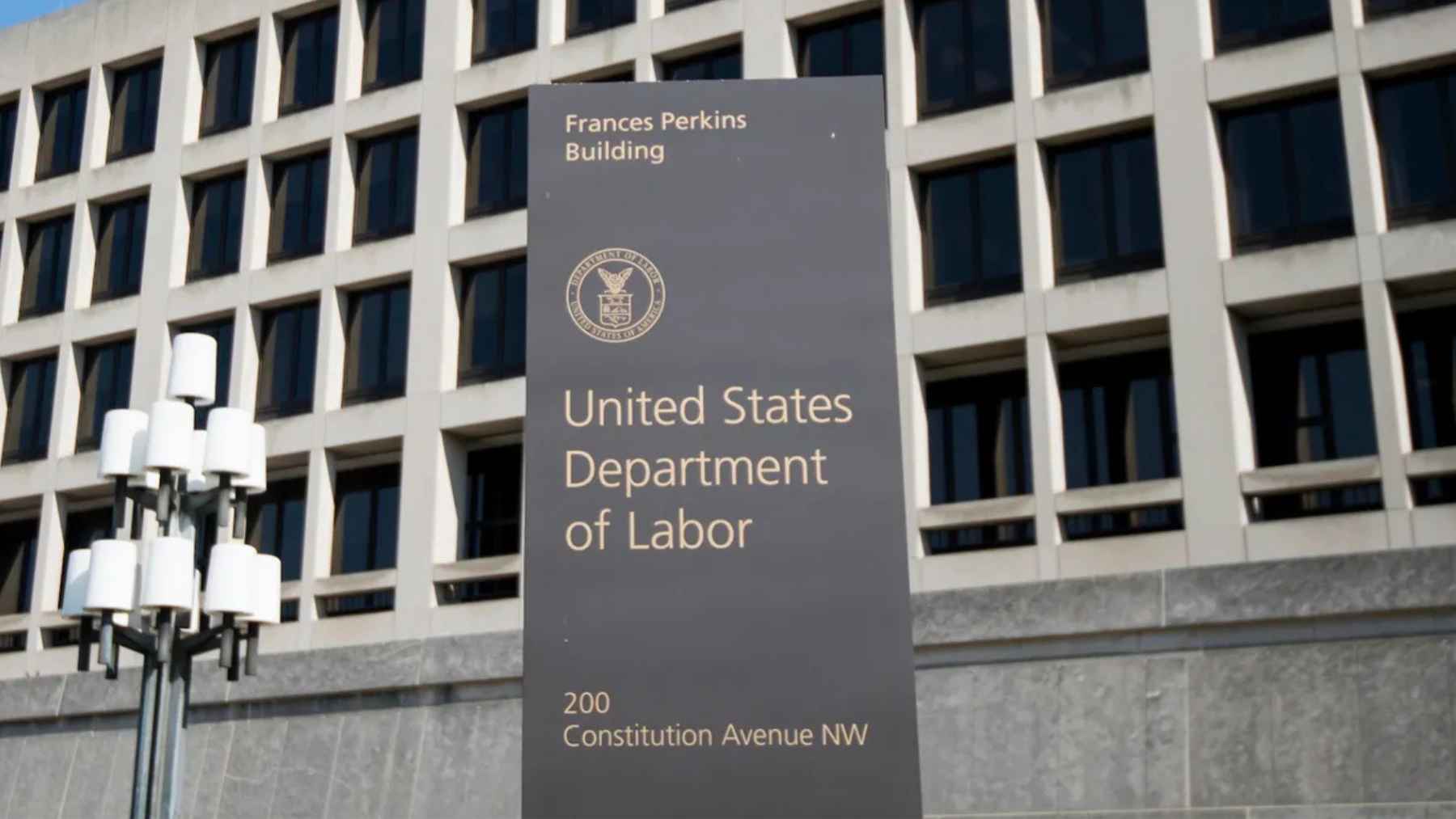
It is suing the National Endowment for the Humanities along with the Department of Government Efficiency (DOGE), the Office of Management and Budget, and several senior officials in their official roles.
The core request is straightforward. Restore the NEH award offer and block the internal review directive the group says triggered mass grant terminations, including its own. The complaint argues the withdrawal violated the First Amendment and the Fifth Amendment, and it also asks the court to set aside agency action under federal administrative law.
The notice arrived on May 14, 2025, according to the filing, and it said the decision could not be appealed. The museum says it had accepted the offer in February 2024 and spent the next 15 months meeting conditions, only to be told the offer was being “administratively withdrawn” as funding was repurposed to match presidential priorities.
The project behind the paperwork
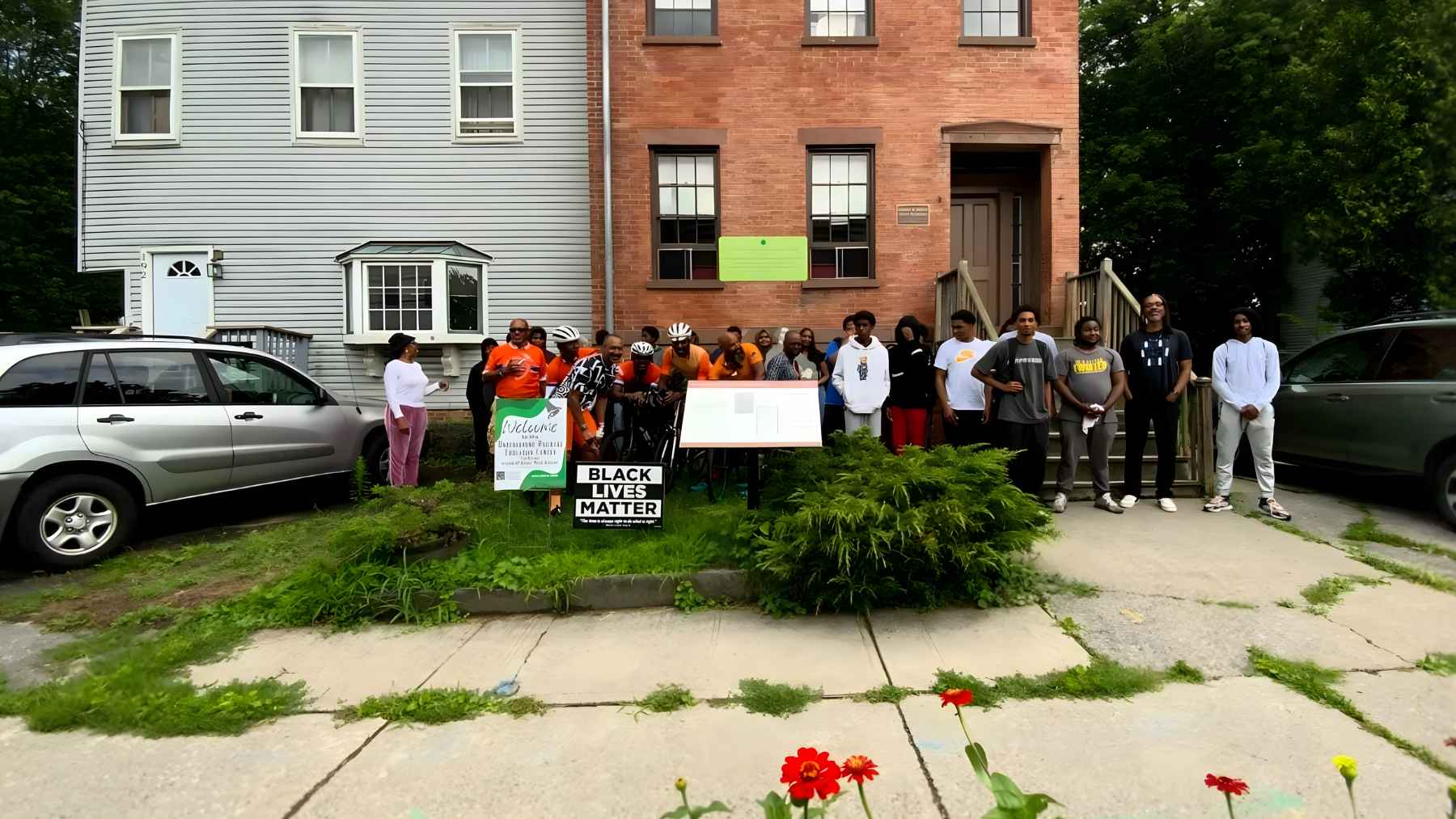
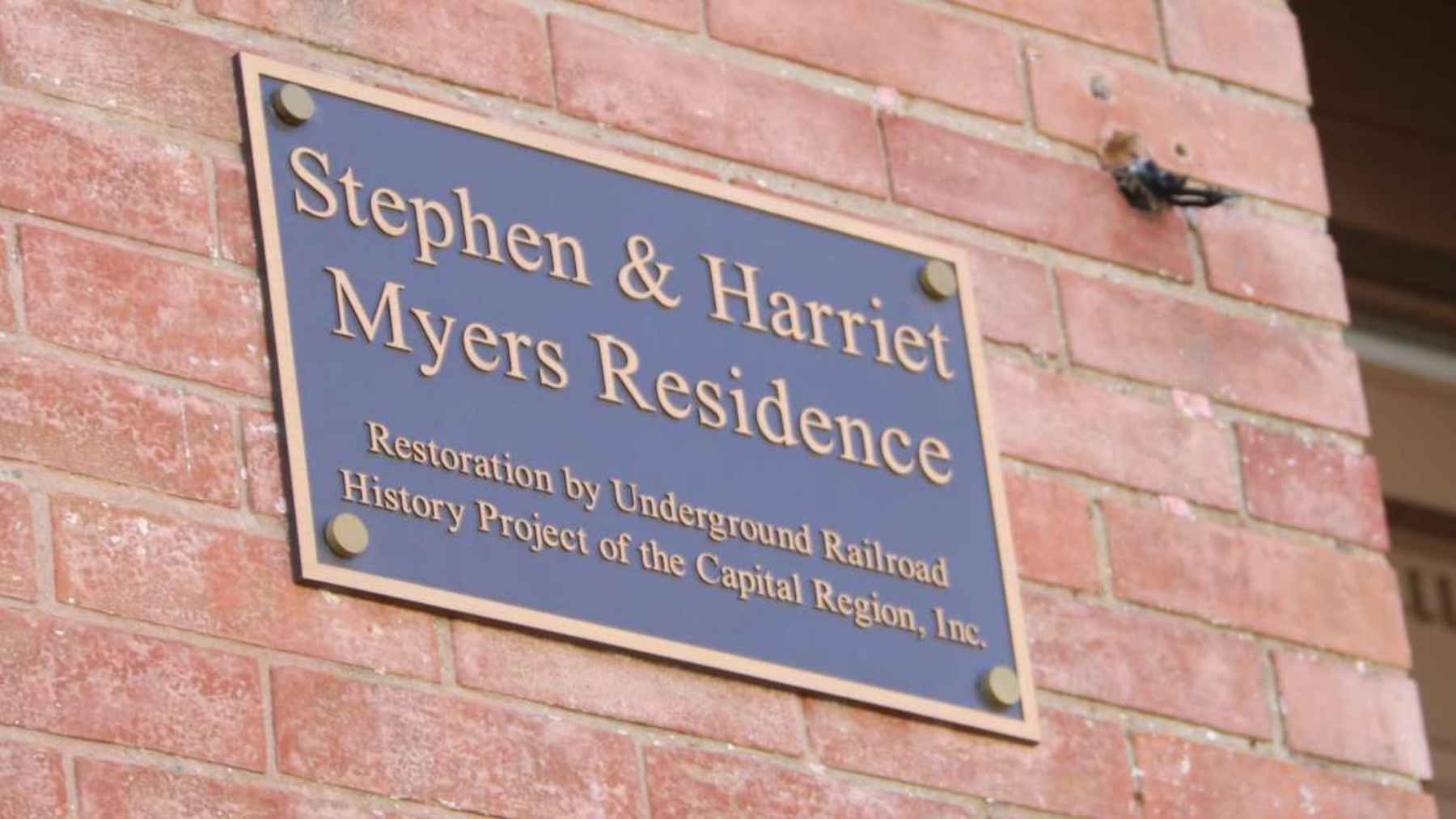
The center operates out of the Stephen and Harriet Myers Residence in Albany’s Arbor Hill neighborhood, and it says the building is now too small for what it does. The complaint says its collection has grown to more than 27,000 pieces, including archaeological artifacts and historic materials like original issues of The Liberator.
Its plan is to build an interpretive center next door with three floors and an elevator, adding 13,000 square feet of space and expanding climate-controlled storage and exhibit areas. The filing says the project was meant to make the collections accessible, especially for visitors who cannot climb to upper floors.
The founders have told local media the overall expansion is a roughly $12 million effort, and they describe the NEH grant as a milestone that helped unlock other fundraising. That is the business angle people miss, because credibility is currency in philanthropy.
A challenge grant is leverage, not just money
This was a challenge grant, which works more like a match than a simple check. The complaint says the NEH offer required a three-to-one match, with the museum needing to raise $750,000 by July 31, 2024, and another $750,000 by July 31, 2025.
The filing also spells out what the federal dollars were meant to support. It says the funds would cover parts of the build like the elevator system and a geothermal HVAC system. It even describes a restored Dutch barn timber frame planned for the first floor as part of the visitor experience.
Federal funding streams can stack in ways outsiders rarely see. The complaint says the museum reported that an Environmental Protection Agency community grant budgeted $3.6 million for the interpretive center, and that NEH had said it would coordinate required reviews with the EPA.
When one piece drops out, timelines can slip, from bids to permits to the day the first shovel hits dirt.
The spreadsheet review and the “efficiency” push
The museum argues the cancellation was not an isolated call made on the merits. It points to a February 7, 2025, NEH directive that attached a spreadsheet of awards and told staff to score grants for termination if they could be seen as conflicting with new executive orders.
The complaint describes that spreadsheet as a shared, collaboratively editable tool used for an interagency review.
According to the filing, more than 1,400 NEH grants were terminated in early April 2025 under that directive, including more than 100 grants concerned with Black history and culture. It also alleges that DOGE became closely involved in advising NEH leadership during the review process.
A spreadsheet can speed up decisions, but it can also flatten nuance when staff are asked to categorize work using broad labels. If courts demand a paper trail showing how categories were applied, the behind-the-scenes process may become central to the case.
The policy backdrop and the legal runway
The review process described in the complaint sits inside a wider push to roll back DEI programs and reshape federal spending. Executive Order 14151, signed on January 20, 2025, directed agencies to terminate certain DEI-related programs and align grants with the order’s policy, according to the Federal Register.
NEH has publicly framed its shift as a refocusing of priorities. In an April 24, 2025 update, the agency said it was especially encouraging projects tied to the nation’s semiquincentennial and “American exceptionalism,” while emphasizing public confidence in how taxpayer funds are used.
Courts have already begun weighing related disputes over NEH grant terminations. In 2025, a federal judge in New York temporarily blocked mass cancellations affecting members of the Authors Guild and ordered that funds not be reobligated while litigation proceeded, according to the Associated Press.
What museums and local economies should watch next
The lawsuit also raises a governance question. What counts as a final agency decision that can be challenged, and what records must exist when grant decisions are made at speed and under political pressure? Those details will shape whether a judge can order a reset.
When grants are pulled late in the process, projects can lose contractors, face higher construction prices, or watch donors drift to safer bets. That is how a policy fight in Washington can show up, quietly, in a neighborhood job site.
For now, the center keeps operating out of a tight historic building while it tries to unfreeze a key piece of its financing stack.
The complaint for declaratory and injunctive relief was published on CourtListener.