The U.S. is quietly shifting a sizable number of air defense Patriot missiles out of Europe and into the Middle East as the war with Iran grinds into its fourth week, according to U.S. defense officials speaking to The Associated Press.
The move is meant to plug immediate holes in regional coverage, but it is also exposing how thin the West’s air defense inventories really are when crises overlap.
Washington says it still has enough munitions to meet its “Operation Epic Fury” objectives. But the redeployment has sharpened a problem Europeans have been warning about for years. Air and missile defense stocks are not built for two major theaters at once.
Patriots are in demand, but not all threats are equal
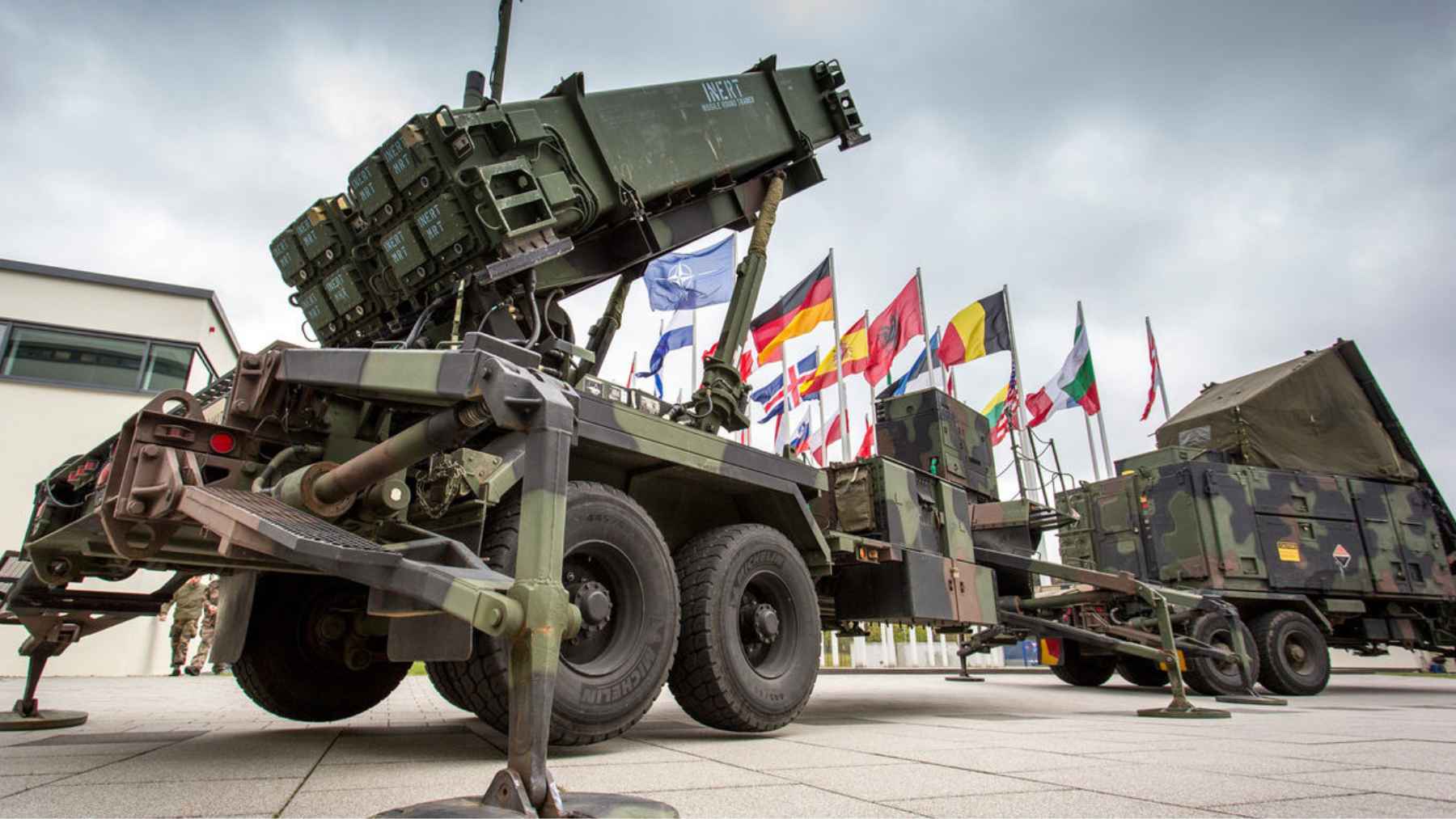
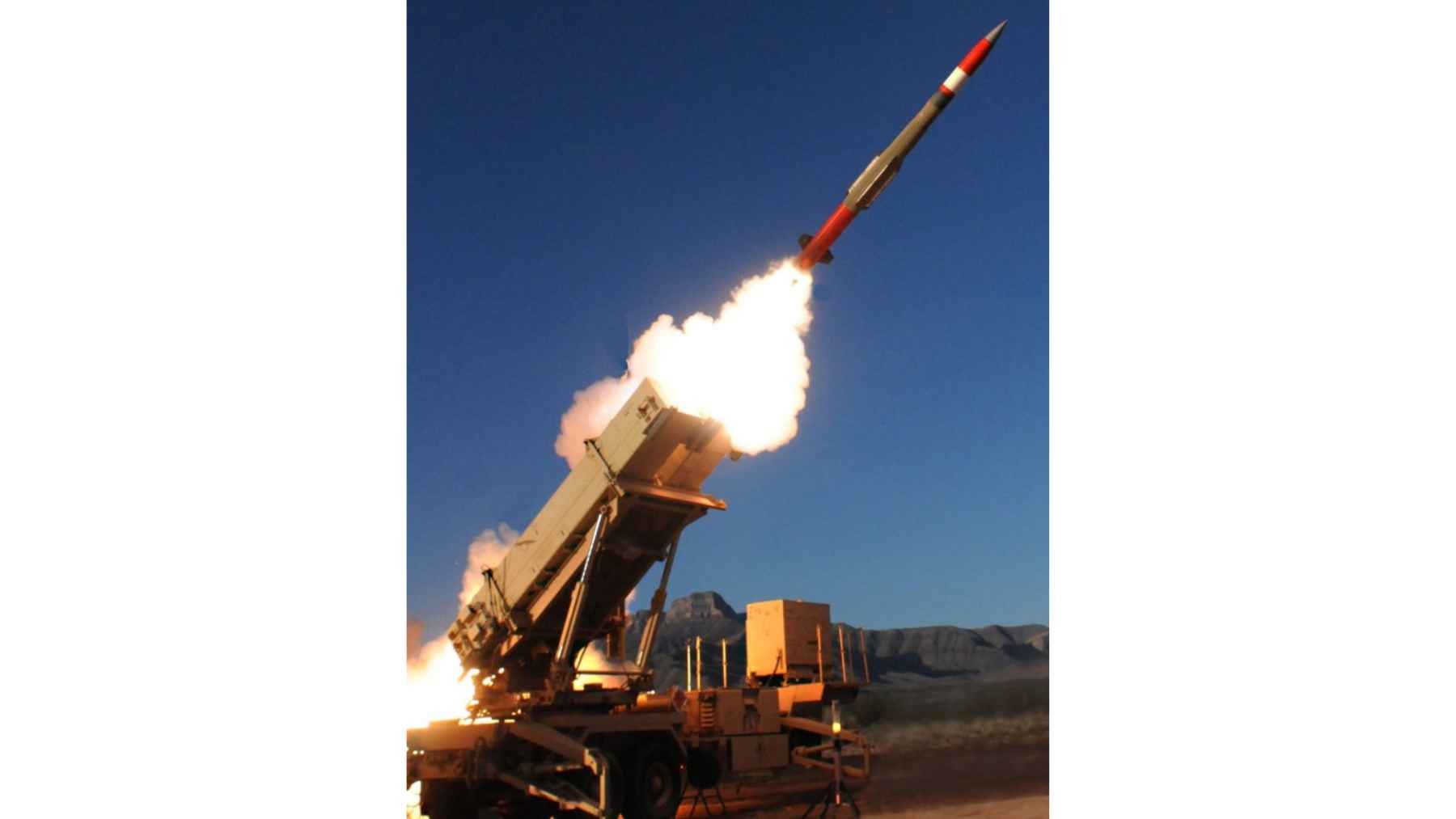
The Patriot Missile System is a guided, ground-based surface-to-air weapon first fielded in the 1980s. It can target aircraft, cruise missiles, and short-range ballistic missiles, and U.S. officials say the Ukraine war has shown it can also intercept maneuvering hypersonic threats like Russia’s Kinzhal.
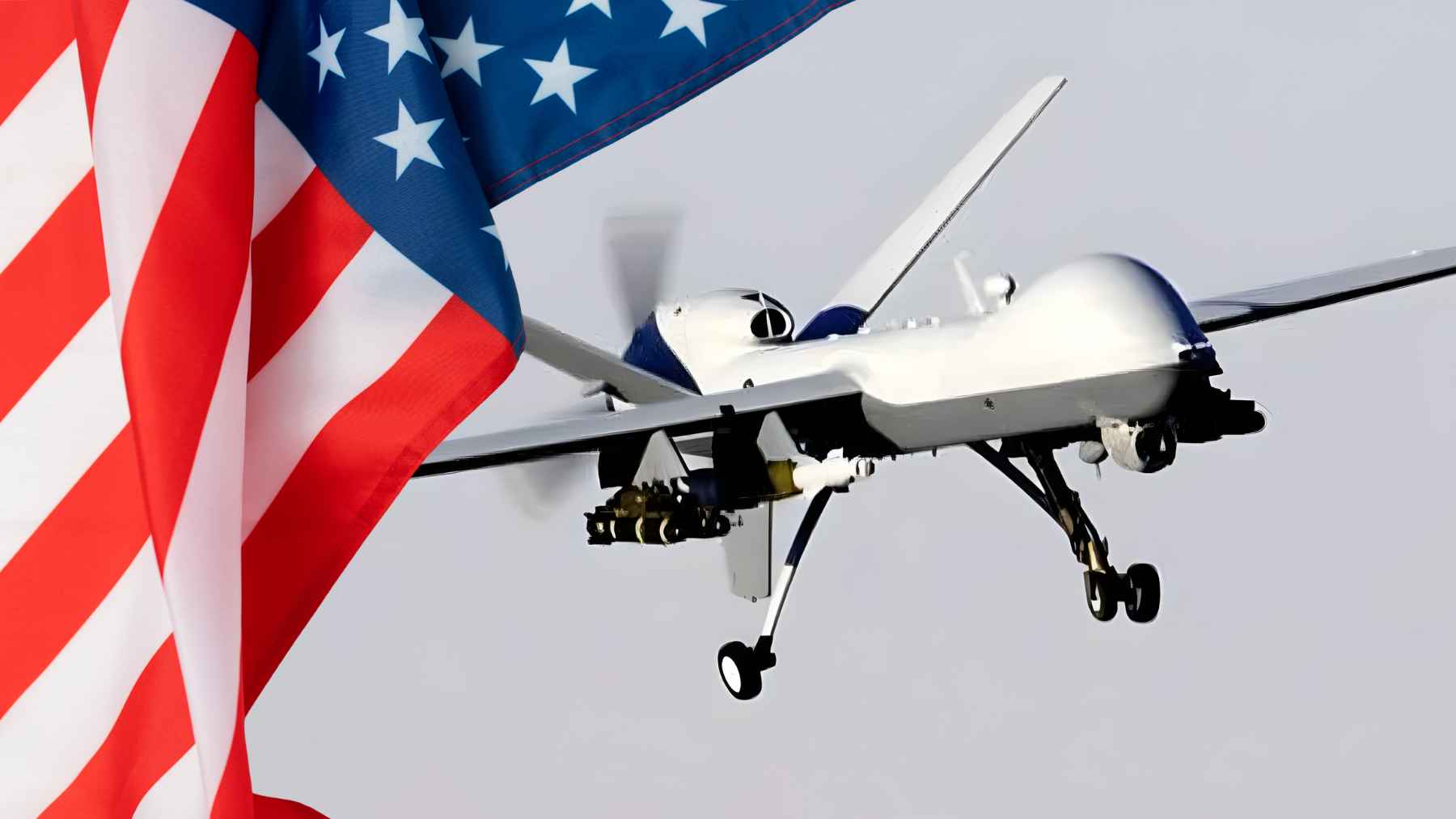
The catch is cost and scarcity. Officials told AP that Patriots are being used in the Middle East against relatively low-cost Iranian Shahed drones, which “do not require” a Patriot interceptor, and that this drains inventories that Europe would need if Russia decides to press its advantage.
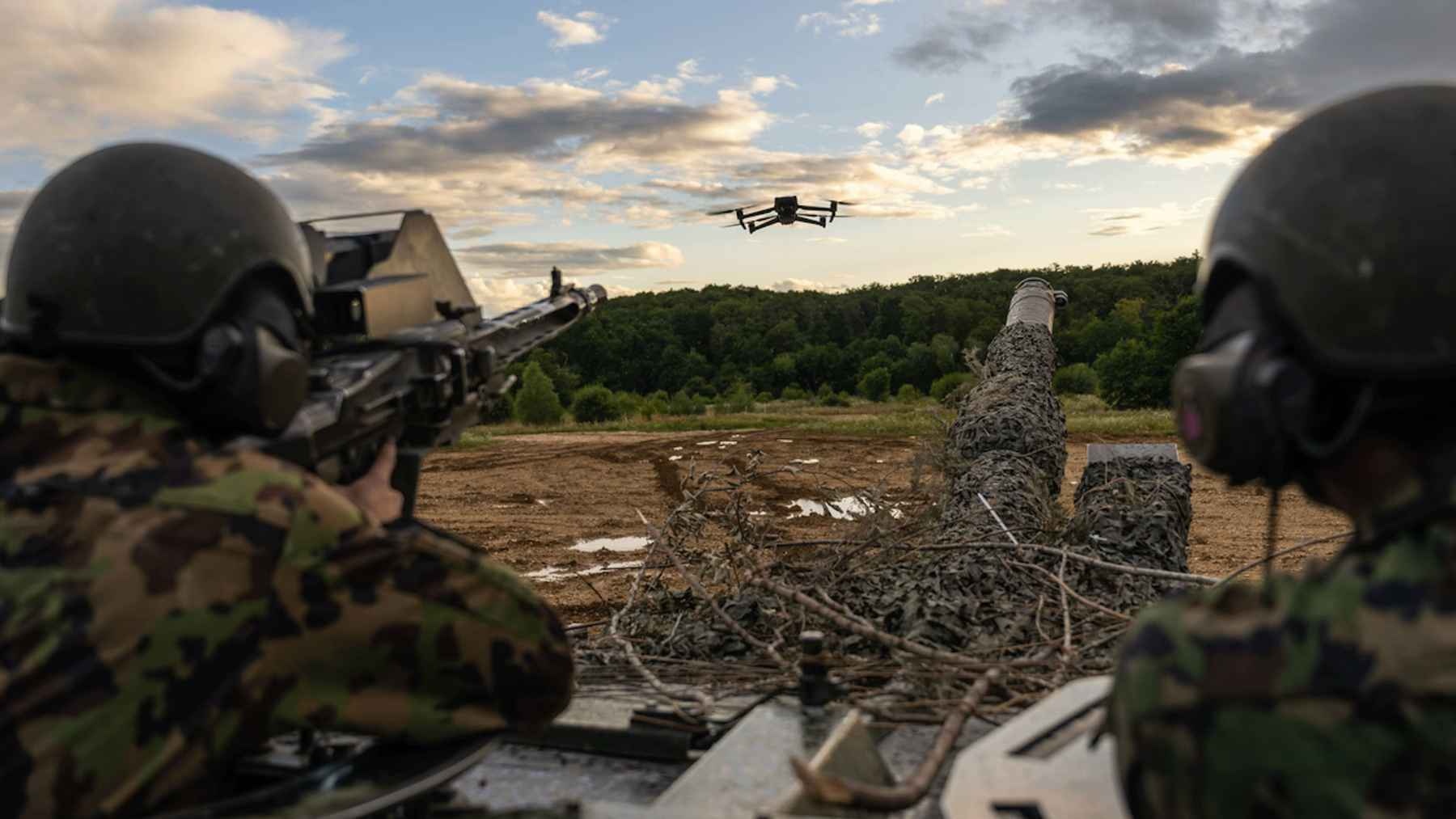
That is why the Pentagon wants cheaper options for drones. The U.S. has started deploying a system called Merops, which can fit in a pickup truck and is designed to shoot down drones by sending other drones to collide with them, a far less expensive approach than firing a missile at every target.
Europe’s air defense gap is not theoretical
The movement of Patriots is happening as Russia keeps hammering Ukraine and European border states report spillover incidents, including drone incursions and growing fears of sabotage and cyberattacks.
One U.S. official warned that every air defense asset pulled out of Europe is a capability that “cannot respond to Russia” if Moscow tries to exploit the moment.
Germany has already sent two Patriot systems to Turkey after Iranian ballistic missiles crossed into Turkish airspace, Turkish and U.S. officials said.
Turkey’s Defense Ministry said NATO defenses have intercepted three Iranian ballistic missiles over Turkey since President Donald Trump launched the war on February 28, and one Patriot system reportedly moved from Ramstein Air Base in Germany to Incirlik Air Base.
NATO has said it still has “plenty” of capacity to defend Europe, and U.S. commanders have emphasized that American forces must be positioned globally. Part of that is basic power projection, the same logic behind deployments like the push to project its power worldwide.
The math of missile production is brutal
In a BBC interview, Zelenskyy said the United States makes roughly 60 to 65 Patriot missiles per month, or about 700 to 800 per year. He also claimed 803 Patriot missiles were used on the first day of the Middle East war, a figure that if accurate would represent more than a full year of U.S. output in one day.
Separate estimates suggest the burn rate is still extraordinary even if that headline number is disputed. The Foreign Policy Research Institute, citing available reporting, estimated the U.S. used about 325 Patriot missiles in the first 96 hours of the conflict and that the total used by the U.S. and allies could have reached about 943.
Those numbers are hard to square with peacetime production lines. They also help explain why European officials worry less about single systems and more about long-term stockpiles, spares, and the industrial base needed to keep defenses running.
A business problem hiding inside a defense story
For U.S. and European defense firms, this is a demand signal, but it is also a warning. Patriots, radars, launchers, and interceptors rely on complex supply chains, limited manufacturing capacity, and long lead times, and ramping production is not as simple as adding an extra shift.
Governments are being pushed toward uncomfortable trade-offs. Spend more on high-end interceptors that may sit in storage for years, or invest in layered systems that can cheaply knock down drones and cruise missiles while saving Patriots for the truly dangerous threats, backed by broader countering unmanned systems planning.
For everyday readers, the takeaway is simple. The same missiles that protect cities and bases also shape budgets, factory orders, and even the political mood inside alliances, especially when two wars pull on the same stockpile.
In the end, the Patriot story is less about one missile system and more about whether NATO and the U.S. can build enough air defense depth to cover Europe, Ukraine, and the Middle East at the same time. That question is now moving from policy papers to real-world deployments, and the answer will show up in the next crisis.
The official fact sheet was published on media.defense.gov.