Amazon is taking another swing at the smartphone, more than a decade after the Fire Phone crashed and burned. According to Reuters, the company is developing a new device internally called “Transformer,” designed to sync closely with Alexa and make Amazon services feel like they are always one tap, or one voice request, away.
This is not just a nostalgia reboot. Amazon is effectively testing whether an AI assistant can become the new “home screen” for shopping, entertainment, and daily routines, at a time when the smartphone market is getting more expensive and less forgiving.
A second chance after Fire Phone
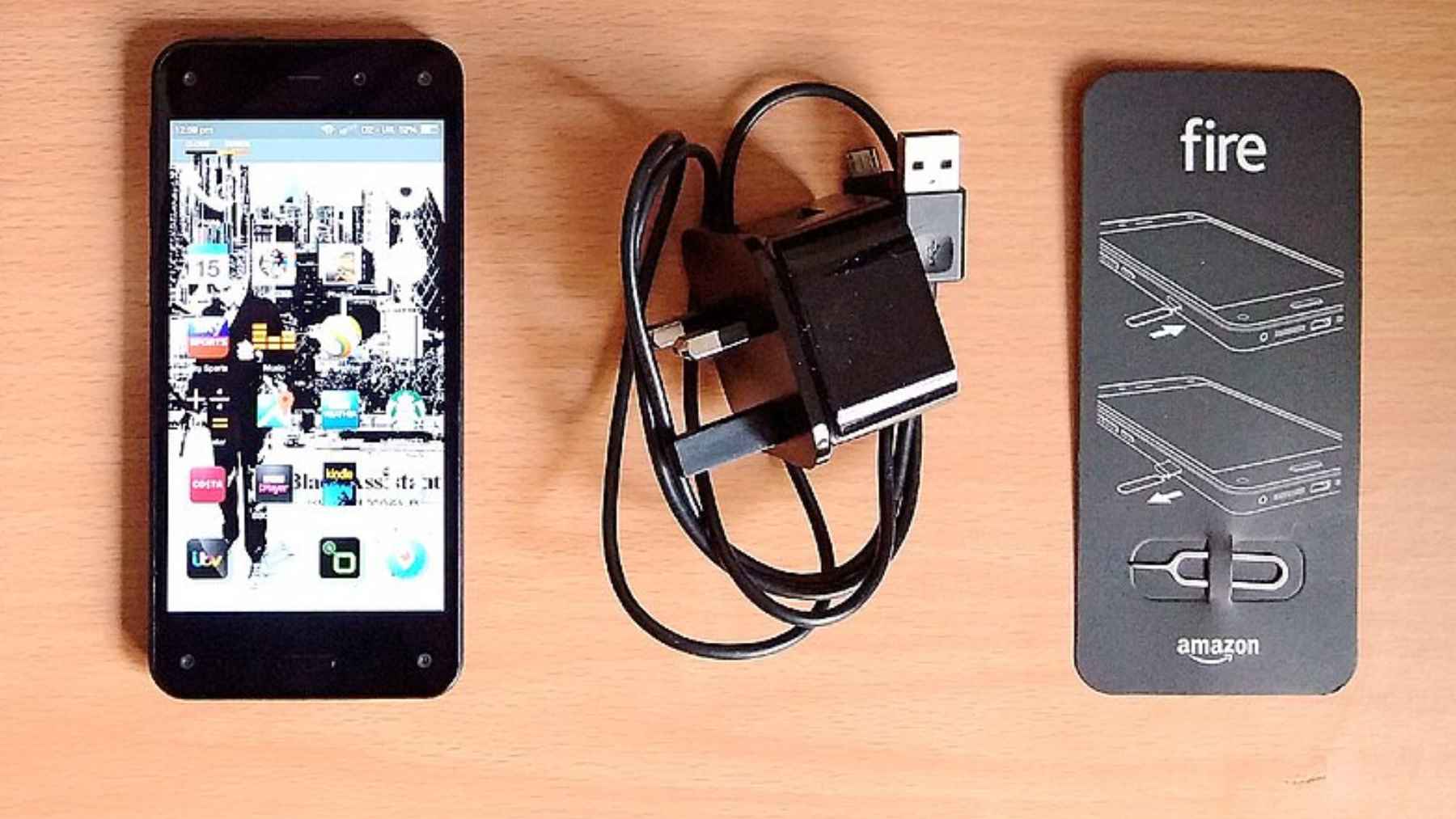
The Fire Phone launched in 2014 with big ambitions and painful lessons. It lacked many of the apps people expected, leaned on a flashy 3D display system that drained battery, and eventually needed a steep price cut before Amazon canceled it after about 14 months and took a $170 million inventory charge.
So why try again now? For the most part, it is because AI has changed what a “phone feature” can be, and Alexa is treated internally as a long-term consumer priority. The new idea is less about winning a spec sheet battle and more about building the most convenient doorway into Prime, even when you are nowhere near an Echo speaker.
AI first, app icons second
People familiar with the project told Reuters that “Transformer” is aimed at heavy personalization and tighter integration with Alexa, Prime Video, Prime Music, and food delivery partners such as Grubhub.
In practical terms, that could mean fewer moments of hunting through folders and more moments of saying something like “order my usual,” while you are walking to the subway or loading groceries into the trunk.
The boldest claim is that deeper AI features could reduce reliance on traditional app stores, which normally force users to download, register, and manage apps before anything useful happens.
That sounds great until you remember the short track record of AI-first gadgets, including Humane’s AI Pin, which was shut down after heavy criticism, and Rabbit’s R1, which major reviewers called unfinished and hard to justify.

A smartphone displaying Amazon’s app highlights the company’s push to return to mobile with AI-driven features powered by Alexa.
A brutal moment to sell a phone
Even if Amazon nails the product, the timing is harsh. IDC says global smartphone shipments are expected to fall 12.9% in 2026 to 1.12 billion units, a more than decade low, as memory chip prices rise and push device costs up.
It also expects average selling prices to jump 14% to a record $523, which is the kind of number that shows up fast on the monthly phone bill.
At the same time, the biggest competitors still control the center of the market. Counterpoint data cited by Reuters shows Apple led 2025 with a 20% share and Samsung followed with 19%, meaning the top two brands alone sit near four in ten phones shipped.
If Amazon wants people to switch, it has to offer something that feels genuinely new, not just “Alexa, but on a phone.”
ZeroOne and the “second phone” pitch
Inside Amazon, the effort is being driven by a group called ZeroOne, created to build “breakthrough” devices and led by J Allard, a former Microsoft executive known for work on products like Xbox.
The phone work sits inside a devices organization that Panos Panay has been trying to make more financially sustainable, including plans for a new tablet that would run Android rather than Amazon’s Fire OS.
What stands out is that Amazon is reportedly exploring both a conventional smartphone and a more limited “dumbphone”-style device, inspired in part by the minimalist Light Phone, and it has not yet lined up wireless carrier partners.
Reuters also notes that feature phones and flip phones represented 15% of global handset sales in 2025, which hints at a market for a second device that is simpler, less distracting, and easier to hand to a teenager. A smaller ambition, but maybe a smarter one.
What would make “Transformer” matter
Right now, this is still a project with a lot of blanks. Amazon has not announced a timeline, pricing, or even whether Alexa would sit at the core of the operating system, and sources cautioned the work could still be shelved if priorities shift.
After the report, Amazon shares fell 1.6% and were down 9.3% for the year, a reminder that investors will want this to be more than an expensive experiment.
The make-or-break questions are straightforward and very human, starting with whether it can be fast, reliable, and private enough for people to trust it with requests that touch money, messages, and home security alerts.
If Amazon can turn Alexa+ into an “all-day” assistant across devices, a phone becomes the missing puzzle piece. If it feels like extra friction in your pocket, it will be ignored.
Amazon has tried to reinvent the phone before, and this time the bet is that AI can finally change the habit of tapping and scrolling.
The official statement was published on About Amazon.