Oil and gas markets have been jolted by the war involving the U.S., Israel, and Iran, with shipping disruptions and strikes hitting energy infrastructure across the Gulf.
In a March 19, press briefing, IMF spokesperson Julie Kozack said “conflicts upend lives and livelihoods” and warned that prolonged high energy prices can push inflation up and drag on global growth. How long can prices stay above $100 before the damage spreads?
This is not just a trader’s problem. When energy stays expensive, it tends to seep into the gas pump, the electric bill, freight costs, and even food, and it can tighten financial conditions at the same time. The IMF says it will bake the conflict into its April World Economic Outlook update during the Spring Meetings in Washington.
A chokepoint closes and prices react
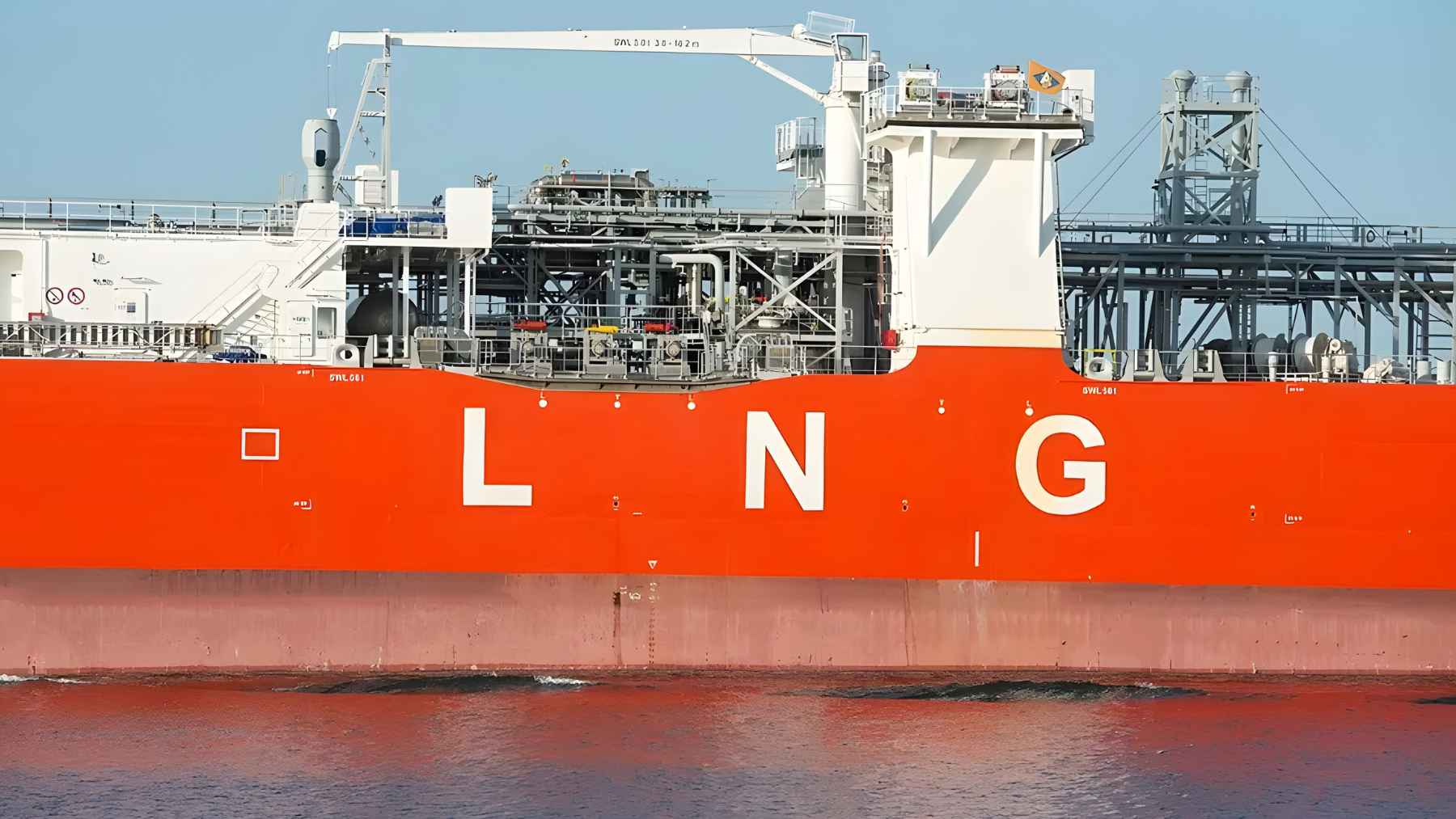
Kozack said the closure of the Strait of Hormuz has cut off access to roughly 20% of the world’s oil and seaborne liquefied natural gas (LNG) supplies. Energy sites in the Gulf region and Iran have been damaged, disrupting production and raising the risk of a longer squeeze.
Oil and gas prices have risen by more than 50% over the last month to above $100 a barrel, she said, and fertilizer shipments have been disrupted as well. Add transportation delays and you get a recipe for higher food prices, which is when a fuel shock starts showing up in the grocery aisle.
Governments are already treating energy flows as a security issue, not just a market issue. On March 19, Britain, France, Germany, Italy, the Netherlands, and Japan issued a joint statement backing “appropriate efforts” to ensure safe passage through Hormuz and stabilize energy markets, including strategic reserve releases and cooperation with producers.
The IMF’s inflation math comes with a warning
The IMF offered a rule of thumb that puts the stakes in plain numbers. A 10% rise in oil prices sustained for a year can add about 40 basis points (0.4 percentage points) to global headline inflation and reduce global output by about 0.1% to 0.2%.
But duration is the whole story. Kozack stressed that a short spike is not the same as a year-long shock, and the fund plans to present a fuller assessment and scenario analysis in its April outlook.
Central banks, she said, should stay vigilant for “second-round effects” as energy costs creep into broader prices. That’s where an external shock can become a policy headache, and households can feel it long after the front-page headlines fade.
Markets are tightening while policymakers watch
Financial conditions are already moving. The IMF said global stock prices have declined, bond yields have increased across advanced and emerging economies, volatility has risen, and the U.S. dollar has strengthened while several emerging-market currencies have weakened.
For energy importers, that combination can sting. A weaker currency can make a dollar-priced fuel bill more painful, and tighter financing can raise refinancing risks for governments and companies with limited buffers.
The fund says it is actively engaging with finance ministers and central bank governors and has not received formal requests for emergency financing so far. Still, it says it stands ready to support countries that face the worst mix of rising import costs and shrinking policy space.
Qatar’s LNG hit is also a tech story
The war’s energy damage is no longer theoretical. QatarEnergy’s chief executive said Iranian attacks knocked out 17% of Qatar’s LNG export capacity, with repairs expected to take three to five years and an estimated $20 billion in lost annual revenue.
Qatar has declared force majeure on some long-term LNG contracts, and buyers are looking for substitutes, including more cargoes from U.S. exporters. India, for example, depends on Qatar for about 41% of its LNG imports, so any extended outage can quickly ripple through industrial costs and household power bills.
There is also a quieter technology angle. The Wall Street Journal reported that damage to Qatar’s output has also cut helium exports, an input used in semiconductor manufacturing, adding another pressure point for global supply chains.
The next data point is April, not tomorrow
The IMF says its April World Economic Outlook will provide a more comprehensive view at the global, regional, and country level. The timing matters because the 2026 IMF World Bank Spring Meetings run from April 13 through April 18, when finance chiefs will be looking for a shared map of risks.
Companies will likely spend the next few weeks doing unglamorous work. They will stress-test fuel costs, check contract clauses, and double-check whether a single supplier or shipping lane has become a silent single point of failure.
For policymakers, the tradeoff is familiar and uncomfortable. Helping households cope can be urgent, but keeping inflation expectations anchored may require a tougher stance if high energy prices start bleeding into everything else.
The official transcript was published on the IMF.