If it feels like prices are creeping up again, fresh U.S. data suggests businesses are seeing the same thing, often before shoppers do. Producer prices rose faster than expected in February, a sign that the inputs behind everyday purchases, from trucking to hotel stays, are getting more expensive.
The timing matters. An oil shock tied to the U.S. and Israel’s war with Iran is colliding with a new round of tariffs and trade probes, leaving the Federal Reserve with fewer clean options and companies with a familiar question. Do they absorb higher costs, or pass them on?
A hotter wholesale reading
The Producer Price Index for final demand rose 0.7% in February, after a 0.5% gain in January, according to the U.S. Bureau of Labor Statistics. Over the past 12 months, producer prices were up 3.4%, the strongest year-over-year pace in a year.
Under the hood, services rose 0.5% and goods rose 1.1%, with services accounting for more than half of the monthly jump. A closely watched core measure that strips out foods, energy, and trade services also rose 0.5%, extending a long run of monthly increases.
Food, travel, and freight show the stress
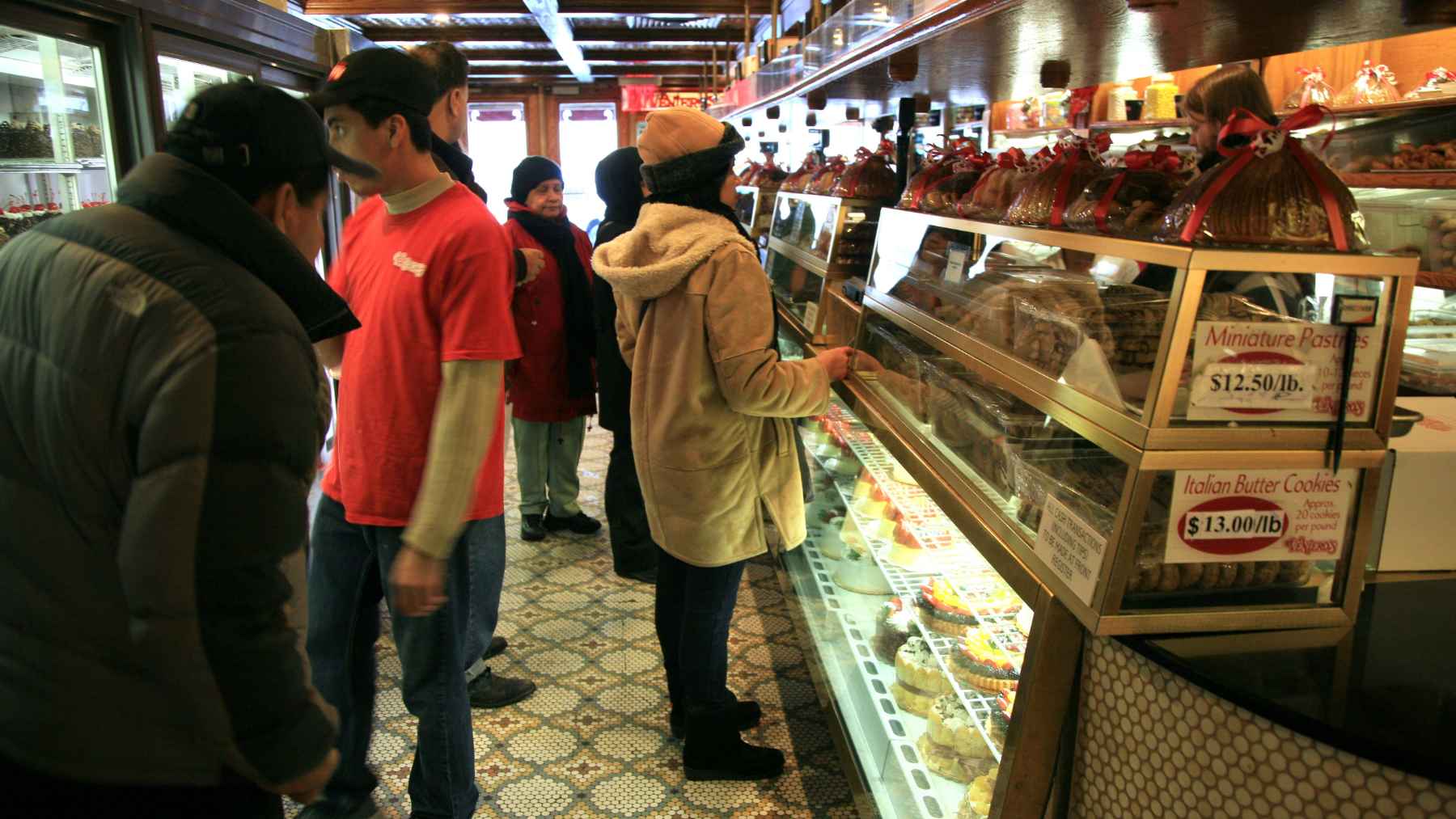
Not every price is surging, but the list of higher items is broad. The BLS said about 20% of the February rise in final demand services came from a 5.7% jump in traveler accommodation services, the kind of increase that shows up when families book a quick weekend trip.
On the goods side, food did much of the work. Final demand foods jumped 2.4%, and one eye-catching driver was a 48.9% spike in fresh and dry vegetables, which alone accounted for more than one-fifth of the monthly rise in final demand goods.
Energy and shipping costs are also back in the conversation. The BLS noted higher prices for diesel fuel and jet fuel within final demand goods, and its intermediate-demand details flagged diesel fuel and electronic components among rising inputs for businesses.
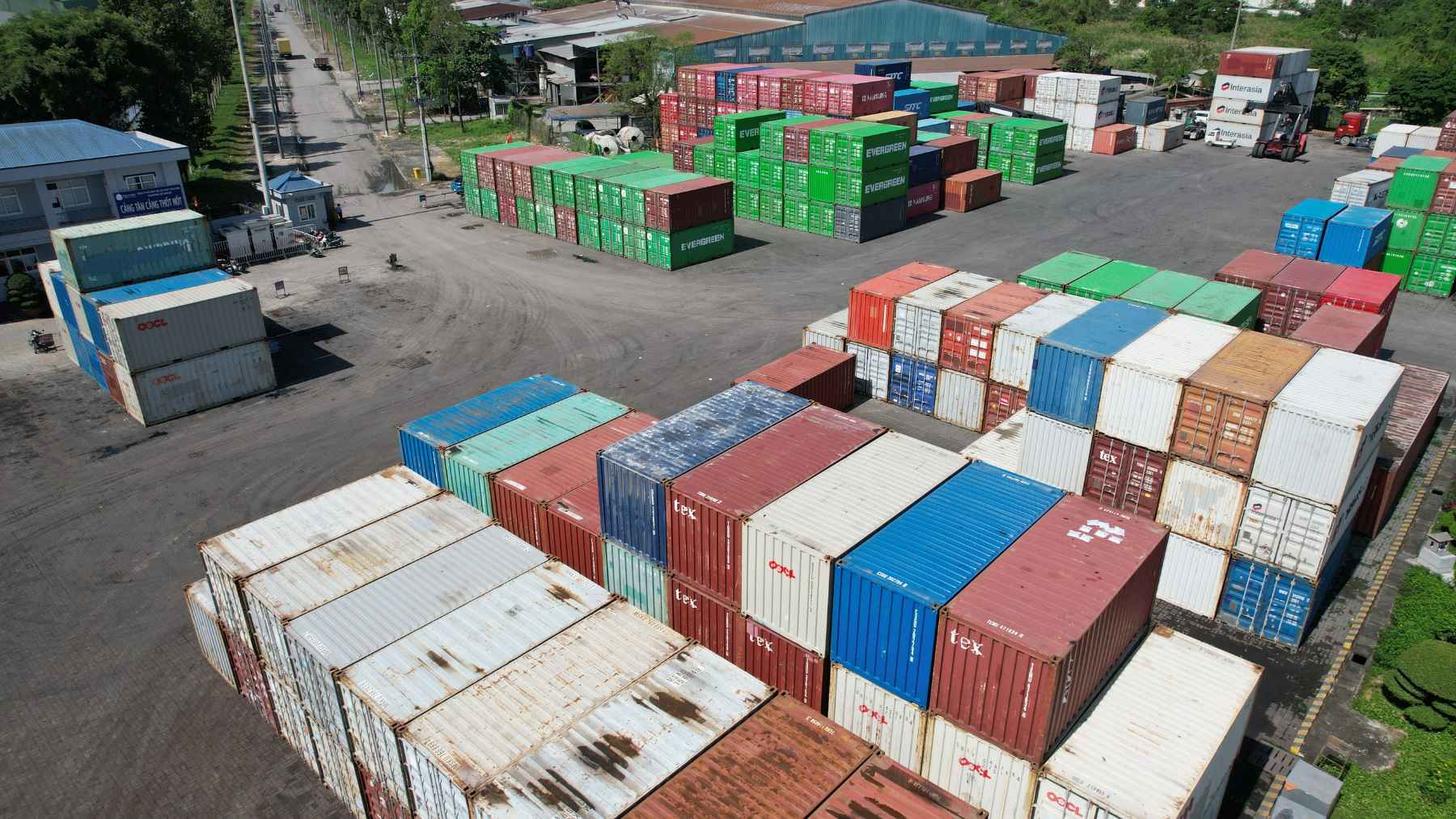
Shipping containers stacked in a logistics yard, reflecting rising transport and supply chain costs tied to U.S. producer price inflation.
War-driven energy shock is the accelerant
The biggest near-term risk is that February is only the start of a new energy pass-through. Reuters reporting points to the war that began on February 28, which has helped push crude to multi-year highs and lifted retail fuel costs.
Investopedia reported Brent crude trading around $112 a barrel recently and up about 55% since the war began, with the U.S. average gasoline price more than 30% higher than before the conflict.
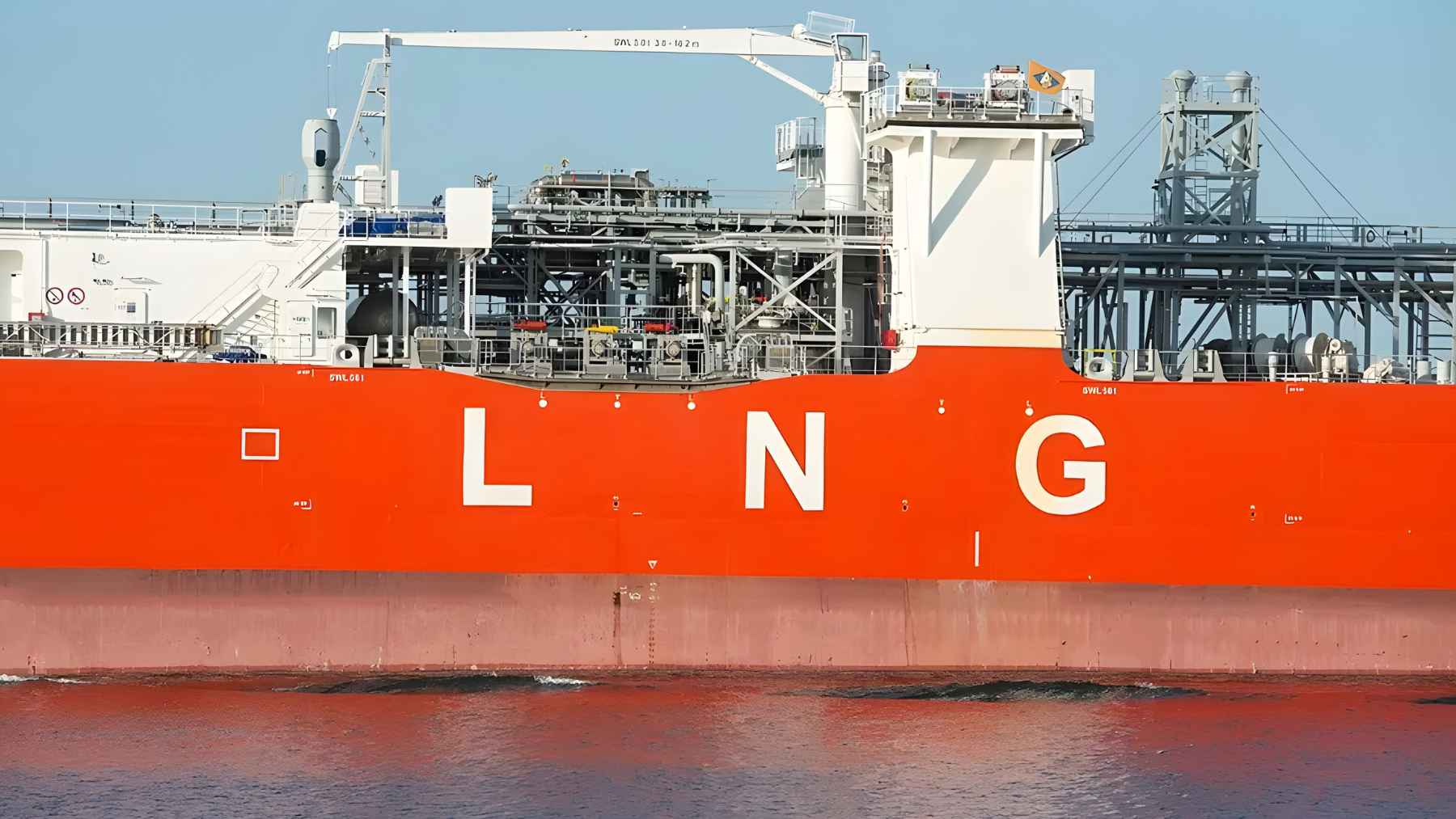
It also warned that damage to energy infrastructure and disruptions around the Strait of Hormuz could keep oil and LNG markets tight even if the shooting slows.
Washington is trying to limit the damage, but the tools are imperfect. The Trump administration has said it is lending 45.2 million barrels from the Strategic Petroleum Reserve as part of a plan that could reach 172 million barrels in swaps, coordinated with other countries in the International Energy Agency.
Tariffs add a second inflation channel
Even without the oil shock, U.S. trade policy is injecting uncertainty into pricing. In Learning Resources v. Trump, the Supreme Court ruled that the International Emergency Economic Powers Act does not authorize tariffs, and President Donald Trump moved to a temporary worldwide tariff starting at 10% and said he would raise it to 15% under Section 122.
This matters for business planning because tariffs operate like a tax on imported inputs, and they can show up in prices quickly when supply chains are tight.
In the PPI report, the BLS showed final demand trade services rising 0.4%, a sign that many firms are still maintaining margins, even as apparel-related retail margins fell 4.5%.
Meanwhile, the administration is building a longer runway for new duties. The U.S. Trade Representative announced Section 301 investigations into “structural excess capacity and production” in manufacturing sectors, and a separate wave of probes tied to forced labor in dozens of economies.
The Fed’s narrow path gets narrower
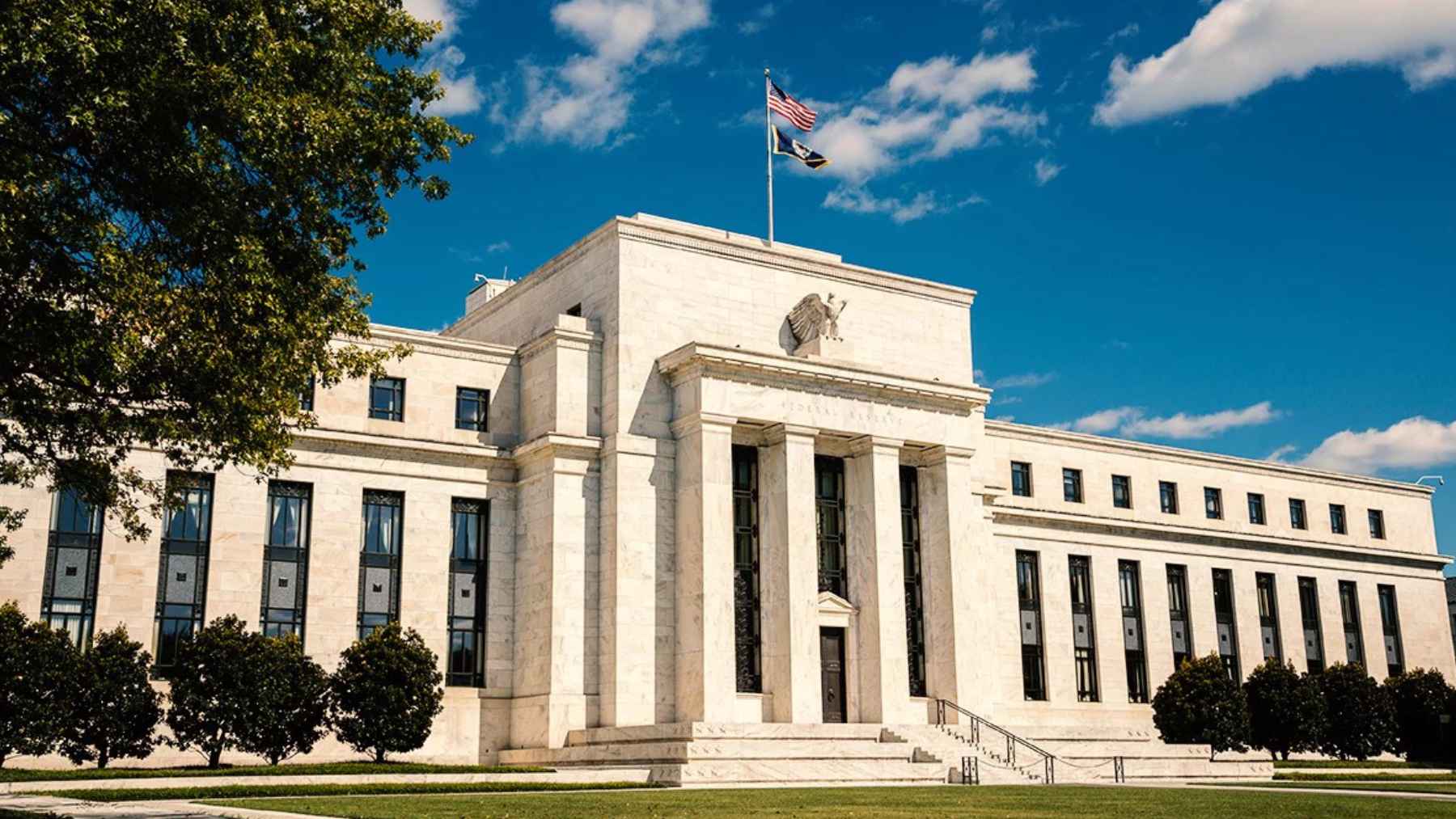
The Federal Reserve held its benchmark rate in a 3.50% to 3.75% range this week and signaled that higher energy prices could lift inflation in the near term. Chair Jerome Powell said the economic effects of the war are unusually uncertain and that “nobody knows” how large they will be.
The Fed also raised its inflation projections, with policymakers expecting PCE inflation to end 2026 around 2.7% while unemployment stays near 4.4%. For now, officials still see one rate cut this year, but futures markets have been pricing a much later return to cuts.
There is also a tech twist that gets overlooked in inflation debates. Powell noted that large investments in data center construction can push prices higher in the short term, even if AI eventually boosts productivity, which is a reminder that disinflation and innovation do not always arrive on the same schedule.
The press release was published on U.S. Bureau of Labor Statistics.